President John Dramani Mahama is expected to open the 28th Annual Conference of the Association of Medical Councils of Africa (AMCOA), scheduled to take place in Accra from August 23 to 27, 2026, bringing together more than 400 healthcare regulators and stakeholders from across the continent.
The conference, hosted by Ghana, will focus on strengthening patient safety, professional standards and healthcare regulation under the theme, “Responsive Regulation for Safer Communities: Towards the Achievement of Universal Health Coverage.”
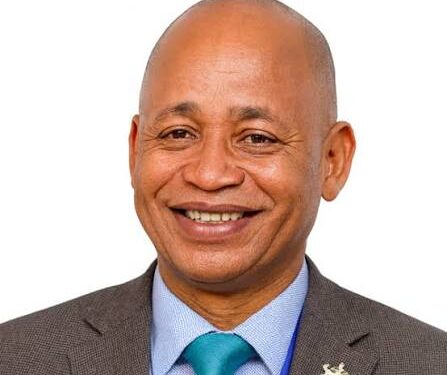
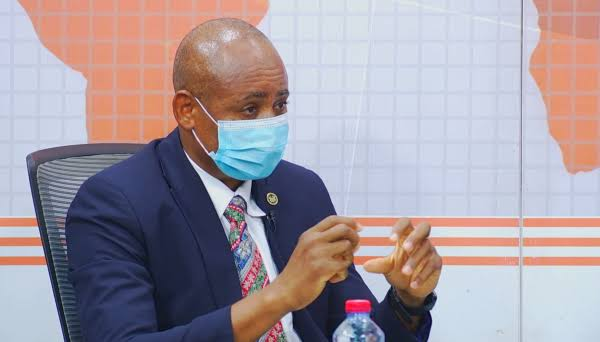
The Registrar of the Medical and Dental Council, Ghana, Dr. Divine Banyubala, has said the gathering comes at a critical time for Africa’s healthcare sector, as regulators confront rapid technological changes, increasing cross-border movement of health professionals and emerging threats to public health.
According to him, achieving Universal Health Coverage must go beyond simply expanding access to healthcare services and must place equal emphasis on the safety and quality of care patients receive.
“Universal Health Coverage must mean universal access to safe and quality healthcare and not simply universal access to care. Access must go together with quality and patient safety,”
Dr. Divine Banyubala
Responsive Regulation in a Changing Healthcare Environment
Dr. Banyubala explained that discussions at the conference will focus on the changing dynamics of healthcare regulation and professional practice across Africa.
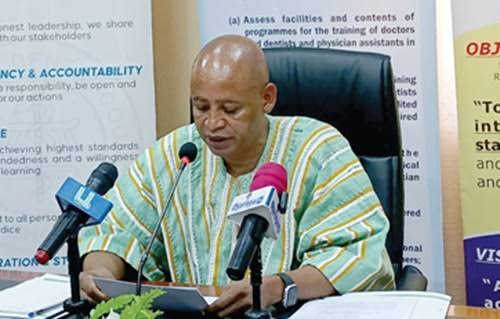
He identified Artificial Intelligence, telemedicine, digital healthcare systems and new models of healthcare delivery as developments requiring regulators to adapt their systems and approaches.
The Registrar also pointed to the growing movement of healthcare professionals across national borders, as well as the emergence and re-emergence of diseases, humanitarian crises and public health emergencies.
According to him, these developments require regulatory institutions to become more responsive and capable of addressing emerging challenges without compromising patient safety.
Dr. Banyubala said healthcare regulation must evolve alongside innovation to ensure that new technologies and methods of delivering care improve health outcomes while maintaining strong safeguards for patients.
Cross-Border Cooperation Key to Patient Protection
A major focus of the conference will be strengthening cooperation among healthcare regulators across Africa, particularly as increasing numbers of medical professionals move between countries.
Dr. Banyubala noted that professional mobility should not create gaps in regulatory oversight or weaken the collective responsibility of African countries to protect patients.

He called for stronger collaboration among national regulatory authorities to enable the exchange of relevant information about healthcare practitioners operating across different jurisdictions.
According to him, the movement of practitioners across borders makes it necessary for patient protection mechanisms to extend beyond national boundaries.
The conference will therefore examine the establishment and strengthening of an African Healthcare Regulatory Authorities Data Exchange Infrastructure, which is expected to support secure information sharing among regulatory institutions.
Technology to Combat Fraud and Quackery
Dr. Banyubala explained that the proposed data exchange infrastructure could use technology and secure information-sharing platforms to improve the verification of healthcare practitioners across the continent.
Such a system, he said, would help regulators confirm the credentials and professional standing of practitioners who move from one country to another.
It could also strengthen efforts to combat fraudulent practice and quackery, which remain significant concerns for patient safety in many healthcare systems.
“While practitioners may cross borders, patient protection must cross borders with them. We need stronger systems that allow regulators to share information and protect the public across our jurisdictions,”
Dr. Divine Banyubala
He indicated that improved regulatory cooperation would help African countries respond more effectively to misconduct, fraudulent credentials and other threats that could undermine public confidence in healthcare systems.
Ghana Hosts Over 400 Healthcare Stakeholders
The AMCOA conference is expected to bring together a broad range of stakeholders from the healthcare ecosystem.
Participants will include national regulatory authorities, healthcare practitioners, professional associations, academics, universities, training institutions, health insurance organisations, government agencies, students, interns, media practitioners and members of the public.
Dr. Banyubala disclosed that although organisers initially expected approximately 350 participants, registration figures had already exceeded 400 ahead of the opening ceremony.
President Mahama is expected to attend the opening ceremony, while the Minister for Health, Hon. Kwabena Mintah Akandoh, will serve as the host minister.
Other ministers and representatives from healthcare regulatory bodies across Africa are also expected to participate in the five-day conference.
Ghana Seeks Continental Leadership Role
Dr. Banyubala described Ghana’s hosting of the conference as both an honour and an opportunity to contribute to continental conversations on healthcare regulation.
He said the gathering would enable Ghana to showcase progress made in healthcare service delivery while also learning from regulatory innovations being implemented in other African countries.
According to him, Ghana’s selection as host reflects its democratic stability, reputation for hospitality and ongoing health sector reforms.
He further linked the country’s hosting of the event to broader efforts aimed at strengthening Africa’s capacity to build resilient and self-reliant healthcare systems.
Measuring Success Beyond the Conference
Dr. Banyubala stressed that the success of the conference should not be measured solely by the number of delegates or the scale of the event.
Instead, he said the true measure would be whether the discussions and decisions emerging from Accra help African regulators strengthen their systems and improve protection for patients and communities.
The conference is expected to generate conversations around responsive regulation, healthcare technology, professional standards, information sharing and the role of regulatory institutions in achieving Universal Health Coverage.
As Africa continues to pursue broader access to healthcare, the 28th AMCOA Annual Conference is expected to reinforce the message that expanding healthcare services must be accompanied by effective regulation capable of guaranteeing safety, quality and public trust.
READ MORE: Eduwatch Demands Reversal of Sanctions Against Sexually Assaulted Girl