Africa Education Watch (Eduwatch) has raised serious child protection concerns over how a 14-year-old student of Bolgatanga Girls Senior High School was treated following her alleged sexual abuse by two security personnel at the school, calling for an immediate independent review of the disciplinary decision taken against her.
In a statement titled “A child who is sexually abused must not be punished for the abuse,” Eduwatch said it remains deeply concerned about reports of the alleged sexual abuse of the student by two security personnel on the school premises.
While welcoming the arrest of the two alleged perpetrators and commending the media for bringing the matter into the public domain while protecting the identity of the child.
“This disciplinary decision requires urgent independent review.”
Eduwatch
Eduwatch disclosed that it had been informed the two suspects were expected to appear before court on August 20, 2026, to face criminal charges.
The organisation said it would closely follow the court proceedings and the broader investigations, while respecting the rights of the accused persons and protecting the identity, dignity, and best interests of the child throughout the process.

School’s Disciplinary Response Described As Arbitrary
Beyond the criminal case, Eduwatch raised what it described as equally serious child protection and education rights concerns over how the school responded to the alleged abuse.
According to a letter sighted by Eduwatch, dated July 20, 2026, the school described the child as “guilty of sexual misconduct” and withdrew her boarding status for one academic year, with the letter indicating that dismissal would ordinarily have been the prescribed sanction but was mitigated because of her medical condition.
Eduwatch argued that a 14-year-old allegedly sexually abused by adults must first and foremost be treated as a child requiring protection, not as a consenting participant in the conduct of adults, stressing that under Ghanaian law, a child below the age of 16 cannot legally consent to sexual intercourse with an adult.
The organisation maintained that where sexual conduct involves an adult and a 14-year-old child, responsibility cannot be shifted onto the child through school disciplinary processes.
Timeline of School’s Response Under Scrutiny
Eduwatch called for the school to account for the timeline of its response to the alleged abuse, noting serious questions about when the school first became aware of the incidents and what immediate safeguarding action followed.
According to sources cited by the organisation, the alleged incidents began in the last week of June and continued into July, with the child first disclosing the involvement of one security guard before subsequently mentioning another.
“If the child’s first disclosure preceded any subsequent alleged abuse, this would raise an extremely serious question about whether a failure to act promptly exposed her to further harm.”
Eduwatch
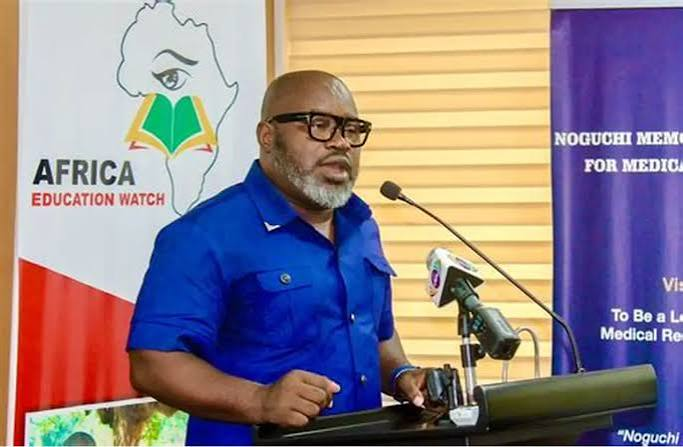
The organisation insisted that the precise chronology must be independently established, including determining when the first disclosure was received, what protective action was immediately taken, and when the matter was eventually referred to the Police, the Domestic Violence and Victim Support Unit (DOVVSU), and relevant child-protection authorities.
Disability Should Not Justify Exclusion, Eduwatch Insists
Eduwatch further noted that the school’s letter confirmed the child’s removal from boarding was a disciplinary sanction rather than a safeguarding or medical measure, despite the letter indicating that her diagnosis on the autism spectrum, described as a “challenge,” was a factor considered in mitigating her sanction from dismissal to day-student status for one academic year.
The organisation argued that Ghana’s Inclusive Education Policy recognises the educational rights and support needs of learners with disabilities, including those on the autism spectrum, and that its purpose is to remove barriers to education access rather than create new ones following a child-protection incident.
Eduwatch expressed deep concern that a child’s disability and vulnerability appeared to feature in determining a disciplinary consequence arising from her alleged sexual abuse by adults, insisting that a disability should trigger heightened safeguarding, reasonable accommodation, and support, not merely a reduction in punishment from dismissal to de-boarding.
Eduwatch’s Seven-Point Demand
Eduwatch outlined seven specific demands, beginning with an immediate independent GES review of the disciplinary decision and the finding that the child was “guilty of sexual misconduct.”
It called for a full reconstruction of the school’s response timeline, a comprehensive safeguarding audit of Bolgatanga Girls SHS covering recruitment, vetting, supervision, and access to students and restricted areas, and immediate child-centred support and protection for the student, including medical, psychosocial, and educational support.
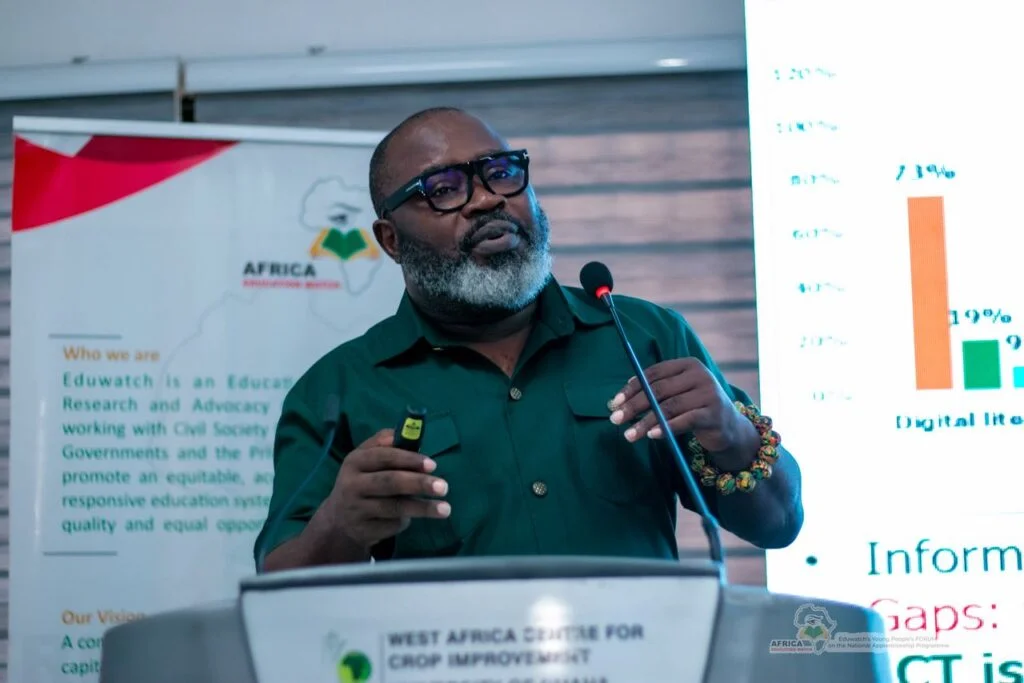
The organisation also called for institutionalised regular training for school heads and designated officers in safeguarding case management, strengthened safeguards against similar cases across schools nationwide, and the immediate interdiction of the accused security personnel pending conclusion of the relevant investigative and disciplinary processes, without prejudice to their right to due process.
Call for Urgent Ministry Review
Eduwatch called on the Ministry of Education to urgently review the circumstances surrounding the child’s treatment and the school’s institutional response, while ensuring that all subsequent actions are guided by the best interests of the child, her right to education, inclusive education principles, accountability, and the duty to keep every child safe in school.
The organisation was emphatic in its closing message, stressing that when an adult sexually abuses a child, the system must pursue the adult and protect the child, insisting that it must never punish the child for being abused.
READ MORE: GES Probes Alleged Assault of Student by School Watchmen