The United States has imposed 50% tariffs on approximately $20 billion worth of Canadian goods after trade negotiators from the two countries failed to finalise an agreement despite three days of intensive talks in Washington, D.C.
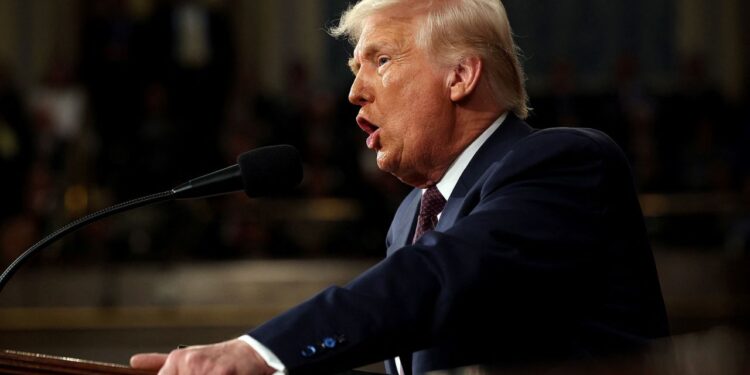
The tariffs were initially scheduled to take effect at 12:01 a.m. on Wednesday. However, U.S. President Donald Trump extended the deadline by three days to give negotiators additional time to reach a deal. The extension ultimately failed to produce an agreement, and the new tariffs took effect after a deadline set by Trump expired at midnight on Saturday.

The measures will affect around 5% of Canadian imports entering the United States, including electronics, industrial machinery and dairy products. They add to existing U.S. tariffs on Canadian steel, lumber and automobiles.
Officials from Washington and Ottawa held several days of negotiations in an attempt to resolve the long-running trade dispute. Canada had sought concessions on U.S. tariffs affecting steel, aluminium, automobiles and lumber, but Washington was unwilling to agree to those demands. With the deadline approaching, both sides acknowledged that a final agreement had not been reached.
U.S. Trade Representative Jamieson Greer blamed Canada for the breakdown, saying, “It was a missed opportunity for Canada to partner with the United States.” He said that Canada had declined to finalise the deal under terms that had been discussed earlier in the week.
“Despite the U.S. offer to Canada to receive the best treatment of any major exporter to our market, new demands and walk backs of other commitments by Canada have upended the careful balance reached in the past days.”
Jamieson Greer
According to Greer, the U.S. proposal included a broader economic and national security partnership between the two countries.
The latest measures are the newest development in an increasingly strained trade relationship between the two North American neighbours.Trump imposed tariffs on several key Canadian imports early in his second term, prompting Canada to respond with its own countermeasures. Since then, the two countries have exchanged tariff threats and engaged in repeated negotiations aimed at easing tensions.
The Trump administration introduced another round of tariffs in late July after the President accused Canada of imposing what he described as discriminatory treatment on American products. Despite the tensions, Trump had expressed optimism on Friday that an agreement could still be reached. That expectation, however, proved premature as negotiators failed to overcome their remaining differences before the deadline.
Canada Promises Response
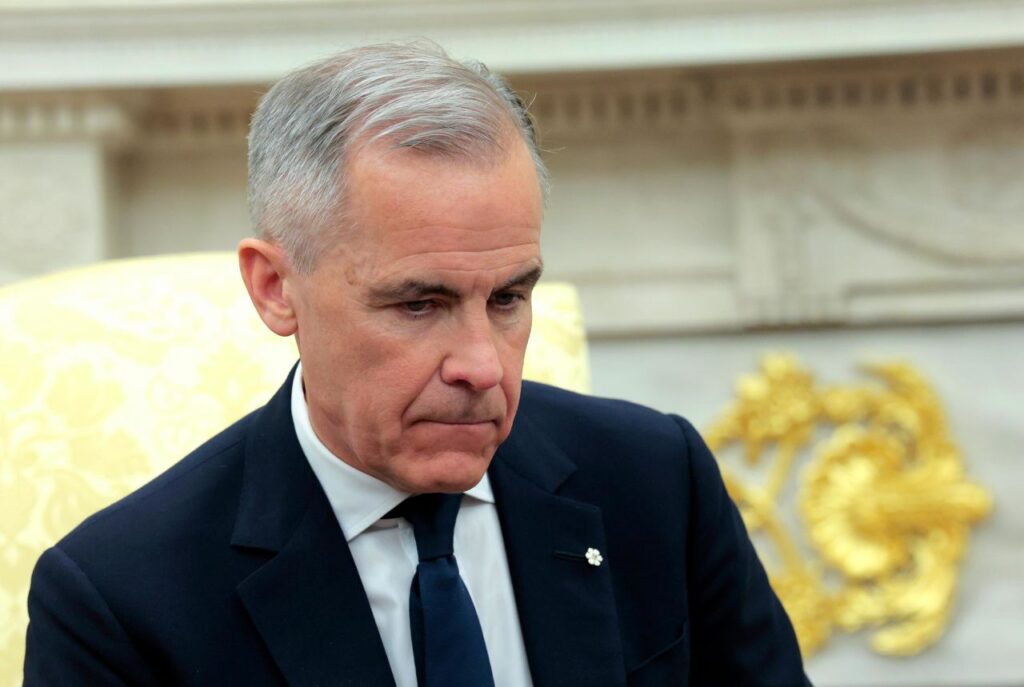
Canadian Prime Minister Mark Carney said that Ottawa would respond to the new tariffs with retaliatory measures. Carney said that Canada would match the U.S. tariffs “dollar for dollar.”
“In recent weeks, we made important progress towards improving Canada’s position as having the best deal in the world with the U.S. However, that progress has not been enough to meet our objectives for Canadians.”
Mark Carney
Carney accused the United States of making changes to the proposed terms at the last minute. “Last-minute changes in the U.S. proposed terms were unfair, uneconomic, and called into question the reliability of any deal,” he said.
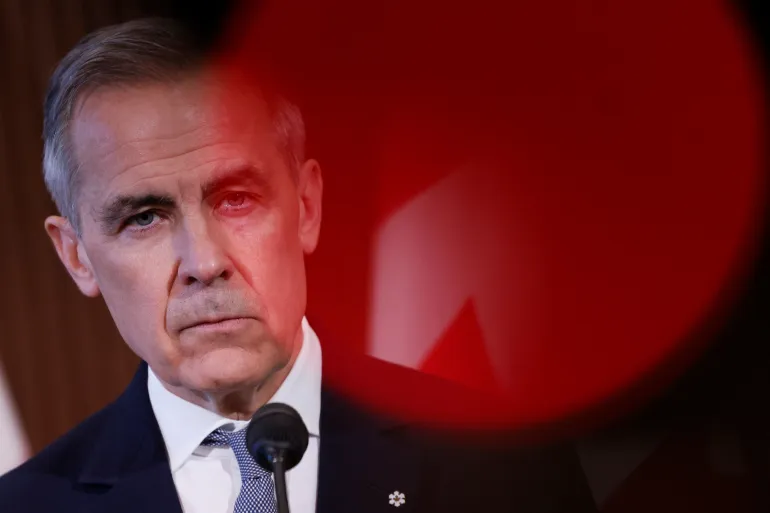
The Canadian leader said his government would announce further measures in the coming days to support businesses and workers affected by the latest tariff.
The tariffs are likely to increase costs for Canadian exporters selling affected products in the U.S. market. Depending on how the tariffs are absorbed by businesses and consumers, they could also affect prices and supply chains in both countries.
The United States and Canada maintain one of the world’s largest trading relationships, with deeply integrated supply chains across industries including manufacturing, agriculture, automobiles and natural resources. The latest dispute therefore risks creating uncertainty for businesses on both sides of the border.
For the Canadian government, the challenge will now be to support affected industries while deciding how strongly to retaliate without further escalating the trade dispute. Despite the failure of the latest negotiations, neither Washington nor Ottawa has ruled out future talks.
Both sides had indicated in recent days that progress had been made before disagreements over the final terms prevented an agreement. The breakdown means businesses and exporters must now prepare for the immediate impact of the new 50% tariffs while the two governments consider their next steps.
Carney has promised measures to shield Canadian workers and businesses, while the Trump administration maintains that its proposed agreement offered Canada favourable access to the U.S. market.
For now, the failure to reach a deal marks another escalation in the trade tensions between two of North America’s closest economic partners, with the possibility of further retaliatory action adding uncertainty to the relationship.
READ ALSO: NRGI, GNPC Convene Dialogue On Future Of Ghana’s National Oil Company