A United States federal court has denied a motion by Bad Bunny and several co-defendants seeking nearly half a million dollars in attorneys’ fees and costs from Empawa Africa Music Services Limited.
The ruling, issued by Judge Otis D. Wright II of the U.S. District Court for the Central District of California, closes a contentious chapter in a copyright dispute centered on sampling from the African music industry.
The decision, dated around August 20, 2026, rejected arguments that the underlying lawsuit was frivolous or pursued in bad faith. Judge Wright determined that Empawa’s claims were “objectively reasonable” and that awarding fees would send the wrong message to parties seeking to protect their intellectual property.
The dispute originated years earlier. In February 2023, Nigerian artist and entrepreneur Mr Eazi, founder of Empawa Africa, publicly accused Bad Bunny and his label Rimas Entertainment of using material from “Empty My Pocket” without proper authorization or credit.
The track, a 2019 instrumental produced by Nigerian creator Ezeani Chidera Godfrey (professionally known as Dera) and later featuring vocals by Joeboy, an Empawa-signed artist, was alleged to have been sampled and interpolated in Bad Bunny’s “Enséñame a Bailar.” That song appeared on the Puerto Rican superstar’s 2022 album Un Verano Sin Ti, a massive commercial success that dominated global charts.
Bad Bunny’s team maintained that the sample had been properly cleared. They stated they purchased rights from Lakizo Entertainment, a Nigerian producer and distributor listed in some public sources as associated with the track.
Empawa and Dera countered that Lakizo lacked ownership or authority to grant such rights for derivative works, asserting that Empawa controlled the relevant copyrights and that no valid clearance had been obtained from them.

After prolonged private negotiations failed, Dera and Empawa Africa Music Services Limited filed a copyright infringement lawsuit in May 2025 in the Central District of California. Defendants included Bad Bunny (Benito Antonio Martínez Ocasio), Rimas Entertainment, The Orchard, Universal Music entities, Warner-Tamerlane Publishing, Spotify, Apple, and others.
The complaint sought substantial damages and alleged unauthorized sampling that “pervaded” the track.
About the Case
The case faltered procedurally. In early 2026, plaintiffs’ counsel from Manatt, Phelps & Phillips withdrew, citing “irreparable differences” over legal strategy. Empawa was later dismissed as a plaintiff for missing deadlines. Dera failed to appear at a February 5, 2026, discovery hearing and did not meet a subsequent order to show cause or a March 6 deadline to resume prosecution.
On March 9, 2026, Judge Wright dismissed the entire action with prejudice, finding that Dera had abandoned the case and that further delay would prejudice the defendants and harm the public interest. The court made no ruling on the substantive merits of the copyright claim.
Following the dismissal, Bad Bunny and certain co-defendants moved for attorneys’ fees and costs under the Copyright Act, seeking approximately $465,612 primarily from Empawa. They described the lawsuit as “meritless from the beginning” and argued Empawa had aggressively litigated it in hopes of extracting an undeserved multimillion-dollar settlement from a high-profile artist eager to avoid publicity and expense.
The motion emphasized that Empawa, rather than Dera personally, had driven and financed the litigation. Bad Bunny’s lawyers noted they were not seeking recovery from the individual producer.
Empawa opposed the request, maintaining that its claims were brought and prosecuted in good faith. The label pointed out that Bad Bunny had admitted using the sampled material and had not produced conclusive documentation of authorization from the rightful owners during the relevant period. In its view, copyright holders should not face punitive fee awards simply because a case does not reach a full merits determination.
Judge Wright sided with Empawa on the fee motion. In the order denying relief, the court observed that defendants had used the copyrighted material and that no conclusive evidence of permission had been presented to the plaintiffs.
The claims appeared meritorious on their face. Awarding fees under these circumstances, the judge wrote, “would send the wrong message to parties seeking to protect their intellectual property by testing meritorious claims in open court.” There was insufficient evidence of an ulterior or improper motive on Empawa’s part.
The outcome leaves each side responsible for its own legal costs. For Bad Bunny, already one of the world’s most successful recording artists, the financial impact is limited relative to his commercial stature. For Empawa and the broader African creative community, the ruling carries symbolic weight.
It affirms that bringing a colorable claim over alleged unauthorized use of African-originated music does not automatically expose the claimant to crushing fee liability when procedural hurdles, rather than a full trial, resolve the matter.
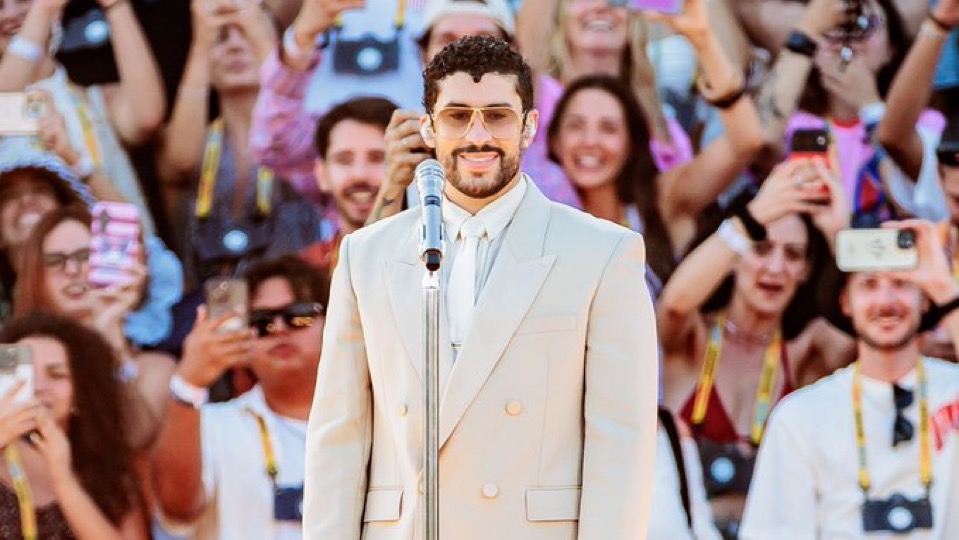
The case highlights ongoing challenges in the global music industry surrounding sample clearance, especially across jurisdictions and when ownership chains involve multiple producers, distributors, and labels. Clear documentation of rights and early communication remain critical to avoiding protracted and expensive disputes.
While “Enséñame a Bailar” continues to stream and generate revenue without formal credit adjustments stemming from this litigation, the judicial record now reflects both the dismissal of the infringement claims for lack of prosecution and the court’s refusal to shift fees.
Industry observers note that similar sampling controversies have become more frequent as Afrobeats and Latin music increasingly cross-pollinate and reach worldwide audiences. This latest ruling highlights the judiciary’s reluctance to deter legitimate intellectual property enforcement efforts through the threat of substantial fee awards, even when a plaintiff ultimately fails to sustain the action through procedural diligence.
The parties have not publicly indicated further appeals or related proceedings as of late August 2026.
READ ALSO:Ghana Urges Africa to Harmonise Medical Regulation for Digital Healthcare Technologies