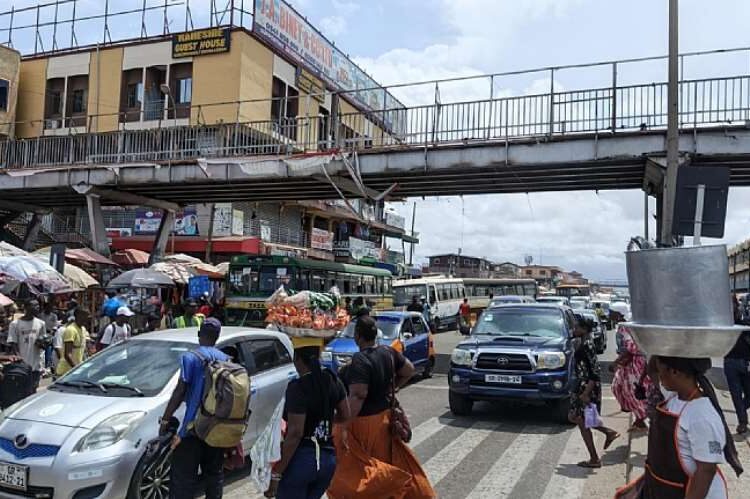
The Minister for Works and Housing, Honourable Ahmed Ibrahim, has outlined an extensive public education campaign to prepare motorists, commuters and businesses for traffic changes under the Greater Accra Resilient and Integrated Development (GARID) Project. He explained that the campaign would provide timely information on construction phases, road diversions and measures designed to reduce disruption along the Kaneshie corridor.
The Minister said effective communication is central to the successful implementation of the project as construction activities intensify. According to him, information will be delivered through several media platforms and translated into Ghanaian languages to reach communities across the affected areas.
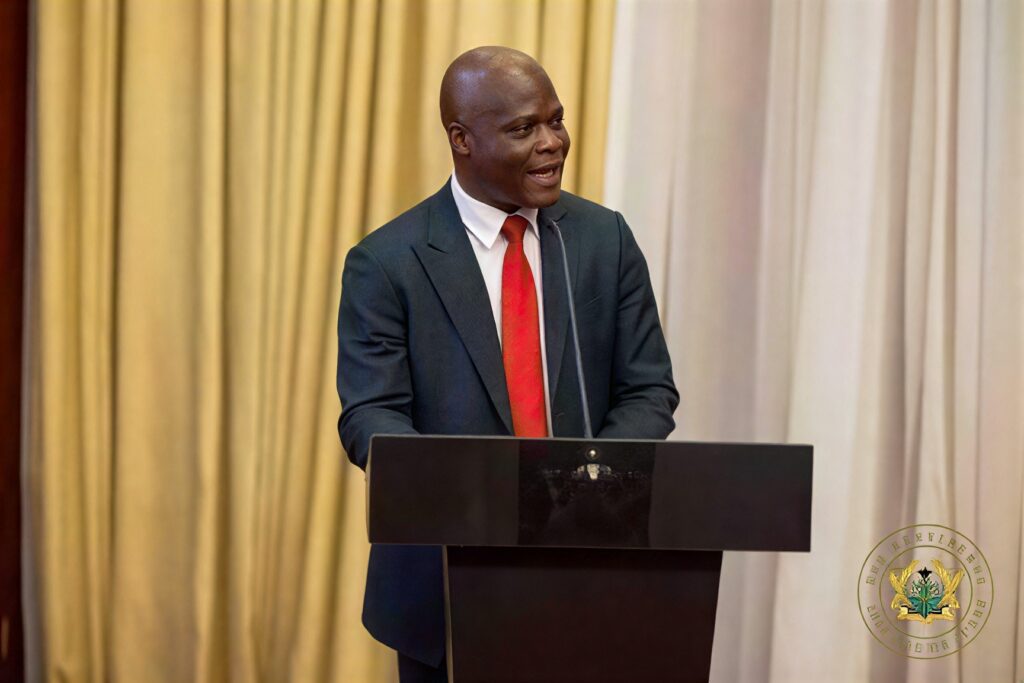
The communication strategy, he explained, is intended to ensure that road users understand what to expect at each stage of the works. Clear information, he noted, would also help motorists identify approved alternative routes and adjust their travel plans before entering affected sections.
“Every road user must be aware of each phase of the construction and the measures being put in place to reduce inconveniences during the construction.”
Honourable Ahmed Ibrahim
The public education effort follows earlier engagements with groups whose activities are closely linked to the Kaneshie corridor. These include transport unions, commercial drivers, market women, traders, businesses, schools, public institutions, community leaders and residents within the affected communities.
According to the Minister, those engagements provide an avenue for stakeholders to understand the traffic management arrangements and contribute useful feedback. Information gathered through the consultations is also expected to guide adjustments to the implementation strategy where necessary.
The project has also worked with the Department of Urban Roads to prepare diversion routes and install directional signposts within the affected areas. These measures are expected to assist motorists as traffic patterns change during construction.
Additionally, continuous public announcements will complement the physical signs placed along the roads. Personnel deployed on the ground will also assist road users with directions and provide guidance as motorists move through the designated routes.
Calling The Media Support The Initiative
The Minister urged the media to play a central role in the education campaign by giving prominence to verified information about the project. He noted that media platforms could help prevent confusion by providing consistent updates before and during the implementation of the traffic arrangements.
Emphasising the importance of public participation, Honourable Ahmed Ibrahim appealed to motorists and commuters to cooperate with the temporary restrictions. Road users who can avoid the affected corridors are encouraged to use alternative routes while those with legitimate activities within the construction zone are expected to follow the approved traffic arrangements.
The Minister acknowledged that the changes could result in longer journeys for some road users during the construction period. He explained that the temporary adjustments form part of the process required to deliver permanent drainage infrastructure for the Kaneshie enclave and surrounding communities.

The flood mitigation component remains a major objective of the GARID Project within the Greater Accra Region. Improved drainage infrastructure is expected to strengthen the resilience of communities that experience recurring flooding during periods of heavy rainfall.
The public education campaign therefore forms part of a wider effort to combine infrastructure development with effective traffic management. Its success will depend on how well information reaches road users and how consistently motorists follow the approved arrangements.
Honourable Ahmed Ibrahim further thanked the Ministry of Government Communication, the Department of Urban Roads, the Ghana Police Service, the Information Services Department and the Metropolitan, Municipal and District Assemblies involved in the exercise. He also recognised the contribution of the media and other institutional partners in supporting the implementation of the project.
The Minister urged all stakeholders to treat the traffic management plan as a shared responsibility. He explained that cooperation between government agencies, project managers, the media, businesses and road users would help create a smoother transition throughout the construction period.
The Kaneshie Corridor And Its Importance
According to the Minister, the arrangement is designed to provide direct support to motorists as traffic restrictions take effect. Police officers and city guards will assist with enforcement while guiding road users towards approved alternative routes.

The Kaneshie corridor serves hundreds of people each day, making effective communication essential during the construction period. Timely information can help commuters understand route changes and allow businesses and residents within the affected communities to prepare for temporary restrictions.
In addition, the traffic plan seeks to ensure that road users receive guidance before they reach closed sections. Directional signs, police officers, city guards and public announcements will therefore operate as complementary measures throughout the exercise.