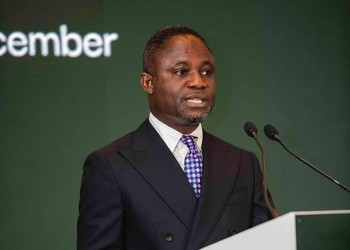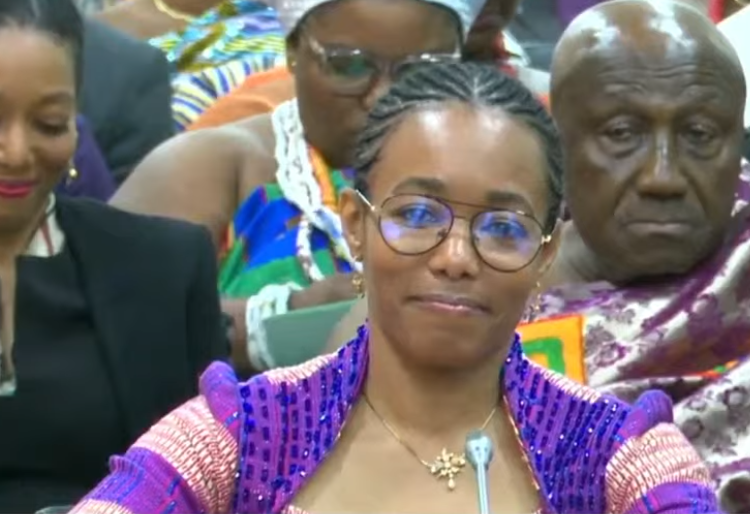
The Minister-Designate for Environment, Science and Technology, Honourable Zanetor Rawlings has proposed greater investment in scientific research to develop biological alternatives to plastic waste. She identified materials such as hemp and cassava as potential sources for producing environmentally friendly alternatives that can break down naturally.
Addressing her vetting, Honourable Zanetor Rawlings explained that Ghana has a policy framework for managing plastic waste, with further measures expected within the next six months. She pointed to the proposed ban on polystyrene and the possible restriction of single use plastics as important measures within the country’s waste management strategy.
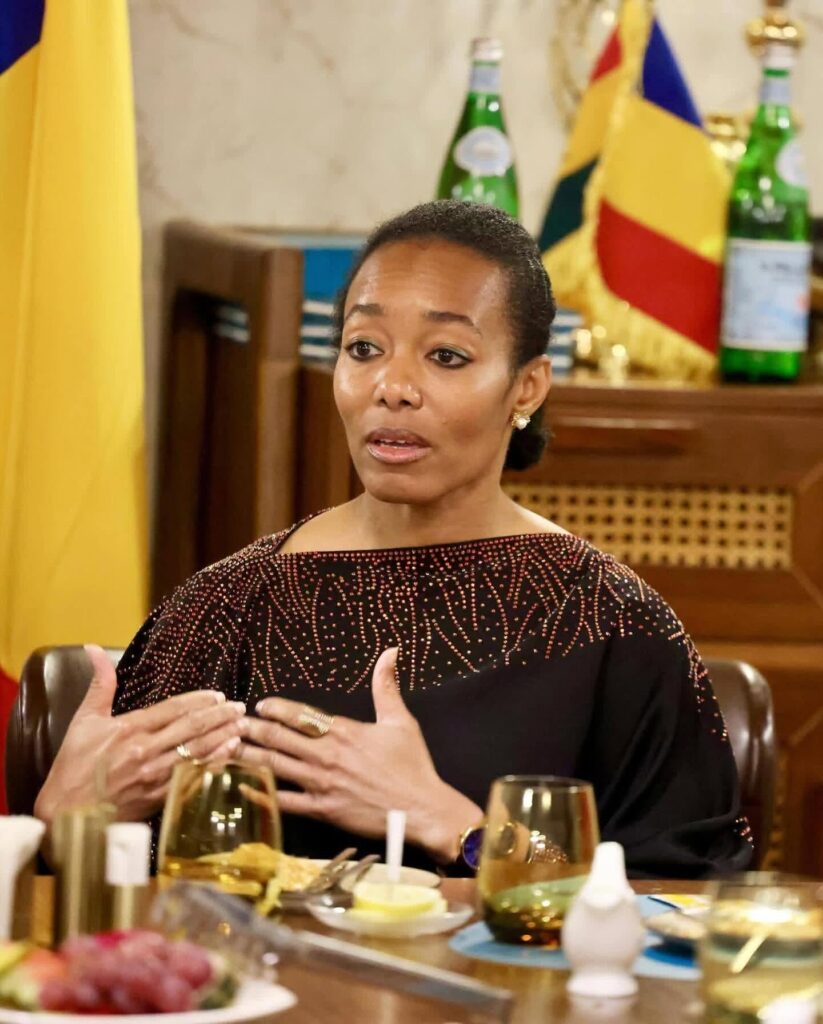
According to the Minister-Designate, scientific institutions must receive stronger financial support to develop practical solutions to the plastic waste challenge. She specifically called for funding to be channelled to the Council for Scientific and Industrial Research to investigate plant based materials that could replace persistent plastic products.
The proposed research could help Ghana develop alternatives from locally available agricultural resources. She explained that materials derived from hemp, cassava and other plant produce could offer products capable of decomposing after disposal.
“We need to channel some funding towards CSIR so that they can actually look into biological alternatives, for example hemp, for example cassava.”
Honourable Zanetor Rawlings
Beyond developing alternatives, Honourable Zanetor Rawlings outlined the need for a coordinated national response to waste management. She argued that the responsibility extends across government institutions and society, with the Environmental Protection Agency expected to play a significant role in regulating hazardous waste and toxic substances.
The Minister-Designate also highlighted the threat posed by chemicals that seep into soil and groundwater. She proposed that landfills should have non permeable foundations before waste is deposited to prevent harmful substances from entering underground water sources.
This measure, she indicated, should become a standard requirement across waste disposal facilities. She noted that similar practices were already being used at collection points for electronic waste and suggested that the approach should be extended to other disposal sites.
Waste segregation also formed part of her proposed strategy for improving environmental management. Honourable Rawlings advocated starting the practice from households, schools and communities so that different forms of waste could be directed towards appropriate treatment methods.
Such separation, she explained, would make it easier to identify organic material suitable for composting while allowing recyclable products to be processed separately. The approach could also create opportunities for other forms of waste recovery.
She further pointed to thermal power generation and plastic pyrolysis as possible avenues for converting waste into useful resources. According to her, Ghana could examine systems used in some countries where solid waste serves as a source of energy.
Plastic pyrolysis could provide another avenue for converting discarded plastics into fuel and cooking gas. Recycling would also remain important for transforming selected plastic products into reusable materials.
Calls For Strategic Climate Finance Partnerships
The Minister-Designate for Environment, Science and Technology, Honourable Zanetor Rawlings also called for a strategic approach to Ghana’s participation in carbon markets and climate finance arrangements. She cautioned that carbon trading must support national development objectives and preserve the country’s future capacity to pursue its own economic growth.
Addressing questions on the implementation of Article 6 of the Paris Agreement, the Minister-Designate explained that Ghana has already entered agreements connected to carbon trading. She indicated that the next priority should be ensuring that such transactions produce financial benefits that align with the country’s development plans.
Honourable Zanetor Rawlings noted that carbon accounting operates across jurisdictions, meaning that emissions transferred through international arrangements affect the accounting position of participating countries. She therefore urged careful consideration of the amount of carbon Ghana commits under trading arrangements.
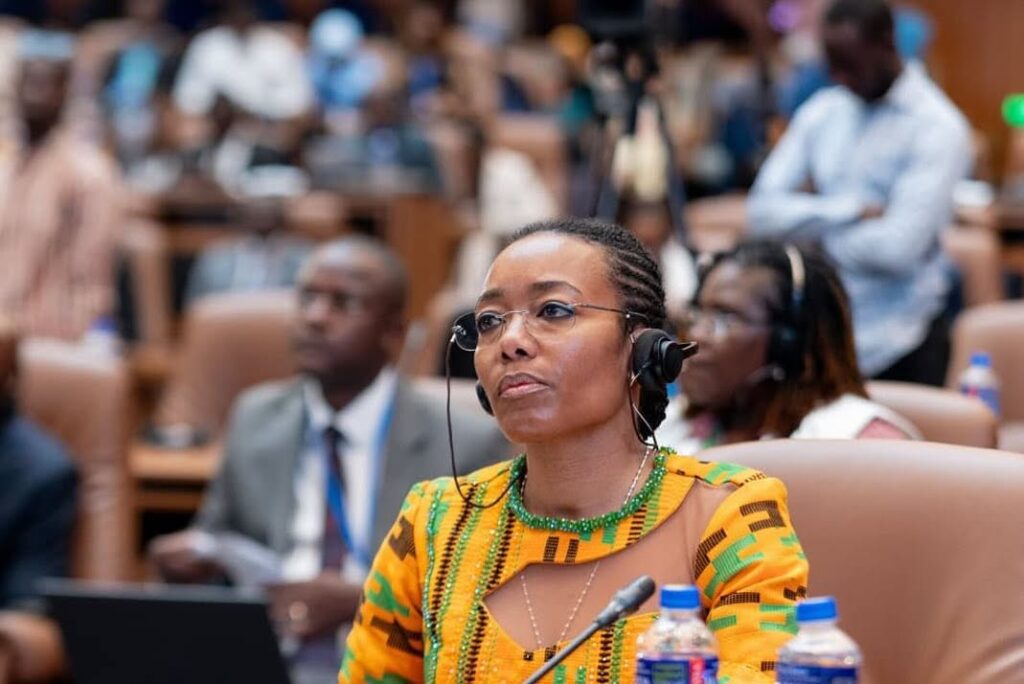
The central issue is finding an appropriate balance between the financial resources generated through carbon markets and the country’s future development requirements. Ghana, she argued, must ensure that the resources gained from carbon transactions justify the development space committed through those arrangements.
“Whatever you give away in carbon dioxide, you must add to your national emissions because of the accounting system.”
Honourable Zanetor Rawlings
The discussion subsequently moved to the wider question of climate finance and the ability of developing countries to secure adequate resources for climate action. Honourable Zanetor Rawlings acknowledged that developed countries had previously committed to providing financial support to climate vulnerable countries.
Ghana, she noted, had already benefited from some climate related financing, including grants associated with the World Bank and carbon initiatives. She indicated, however, that further opportunities could be explored through strategic partnerships with countries facing similar environmental and developmental challenges.
South South cooperation, according to the Minister-Designate, could provide an important avenue for mobilising resources and expertise. She proposed that Ghana identify countries with comparable challenges while seeking partners that possess complementary technological, financial or institutional strengths.
Such cooperation, she explained, could enable Ghana to gain access to solutions that may otherwise require significant domestic resources. It could also strengthen the country’s position when negotiating arrangements connected to climate finance and green technology.
Honourable Zanetor Rawlings identified the African Continental Free Trade Area as a possible platform for advancing these objectives. She suggested that Ghana could explore how the continental framework could support access to climate finance while encouraging the movement and adoption of environmentally sustainable technologies.
The approach would also connect climate policy with wider economic opportunities across Africa. Green technology, she indicated, should therefore be viewed as part of Ghana’s development strategy and not solely as an environmental matter.
READ ALSO: EU Warns China Over Trade Imbalance