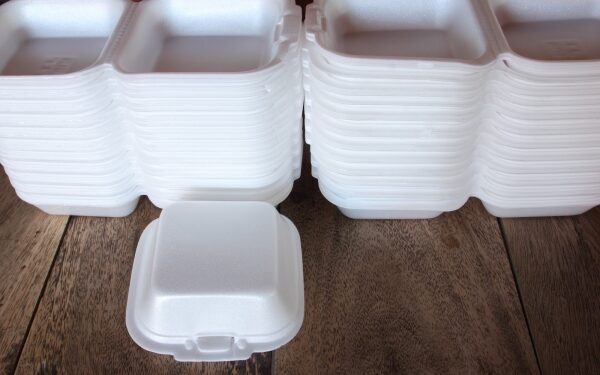
The Chief Executive Officer of the Environmental Protection Authority (EPA), Prof. Nana Ama Browne Klutse, has cautioned that the everyday convenience associated with styrofoam products comes with serious environmental and public health implications. She made the remarks during the launch of a public awareness campaign on the ban of polystyrene foam products at Rawlings Park in Accra.
Prof. Klutse explained that plastics have become deeply integrated into Ghana’s economy over the past three decades, supporting various sectors while creating significant waste management challenges. She noted that although plastic products have offered affordability and convenience, their long term effects require stronger action from individuals, businesses and institutions.

The EPA Chief Executive added the awareness campaign forms part of efforts to educate the public on the reasons behind the restriction on polystyrene foam takeaway packs. She indicated that the initiative seeks to help citizens understand the environmental and health risks linked to the continued use of these products.
“While plastics have provided convenience and cost advantages to us, especially single use plastics, they have resulted in heavy environmental consequences, including health challenges as well.”
Professor Nana Ama Browne Klutse
She further explained that polystyrene products extend beyond food packaging and are used in several areas including construction materials, mattresses and transportation packaging. According to her, the widespread application of these materials makes public education an important step in ensuring a smooth transition towards safer alternatives.
The EPA boss acknowledged that styrofoam containers have become common in homes, restaurants, bakeries, schools and among street food vendors across the country. She recognised that changing long established habits would require patience, engagement and cooperation from different sectors of society.
Public Awareness Campaign Targets Safer Alternatives To Styrofoam Use
The Environmental Protection Authority began a nationwide education drive aimed at encouraging public support for the ban on polystyrene foam products. The campaign is expected to provide information on the dangers associated with styrofoam use while guiding consumers and businesses towards environmentally friendly options.

Professor Klutse noted that the EPA understands the concerns of traders and consumers who depend on styrofoam packaging for their daily activities. She explained that the transition requires dialogue and practical solutions that address the needs of people who rely on these products.
The campaign will involve collaboration among government agencies, businesses, communities and other stakeholders to promote responsible waste management practices. The EPA believes that collective participation will be essential in reducing the impact of plastic pollution across the country.
The EPA Chief Executive emphasised that the ban should be viewed as part of a wider environmental protection effort aimed at safeguarding public health and preserving natural resources. She added that the authority would continue engaging stakeholders to provide clarity on the policy and support affected groups.
Beyond takeaway containers, Prof. Klutse highlighted the need for discussions on the management of plastic materials used in different sectors. She explained that the challenge requires long term commitment because plastics remain present in many aspects of daily life.

The initiative comes amid increasing efforts by environmental authorities to address waste management challenges in Ghana. With plastic pollution affecting drainage systems, communities and ecosystems, the EPA has continued to promote measures that encourage sustainable consumption practices.
Professor Klutse called on households, businesses, schools and industries to support the campaign by adopting responsible practices. She indicated that protecting the environment requires shared responsibility and consistent action from all parts of society.
The EPA adds that the awareness programme will provide an opportunity for citizens to understand the importance of the policy while contributing to a cleaner and healthier environment. The authority is expected to continue its engagements as the country works towards reducing reliance on harmful plastic materials.
READ ALSO: Governance Progress Takes Time To Deliver Results — Sagnarigu MP