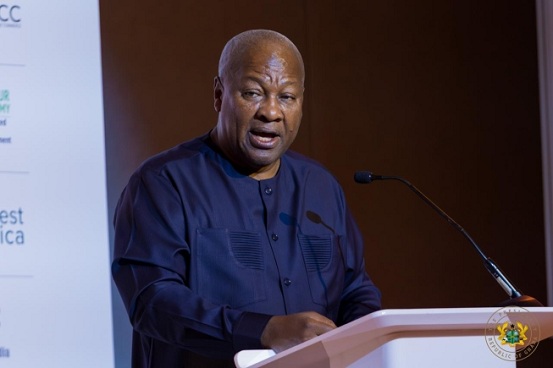
President John Dramani Mahama has announced that health workers who accept postings to deprived and underserved areas will receive a 20 percent incentive on their basic salaries, as part of government’s broader effort to address the uneven distribution of health professionals across the country.
The President made the announcement at the Daffiama-Bussie-Issa District Free Primary Healthcare Community Engagement, held as part of his ongoing Resetting Ghana tour of the Upper West Region, where he commended health workers for their patriotism and willingness to serve in some of the country’s most underserved communities.
According to President Mahama, the newly announced 20 percent salary incentive forms part of a broader package of measures government is developing to attract more health professionals to deprived communities, where healthcare needs remain greatest but staffing levels have historically lagged more urbanised areas.
“Health workers who accept postings to deprived and underserved areas will receive a 20 percent incentive on their basic salaries to encourage professionals to serve where healthcare needs are greatest,”
H. E. John Dramani Mahama
Call For Community Support for Health Workers
Beyond the financial incentive, President Mahama extended an appeal to residents in underserved communities to actively support and appreciate health workers who accept postings to their areas.
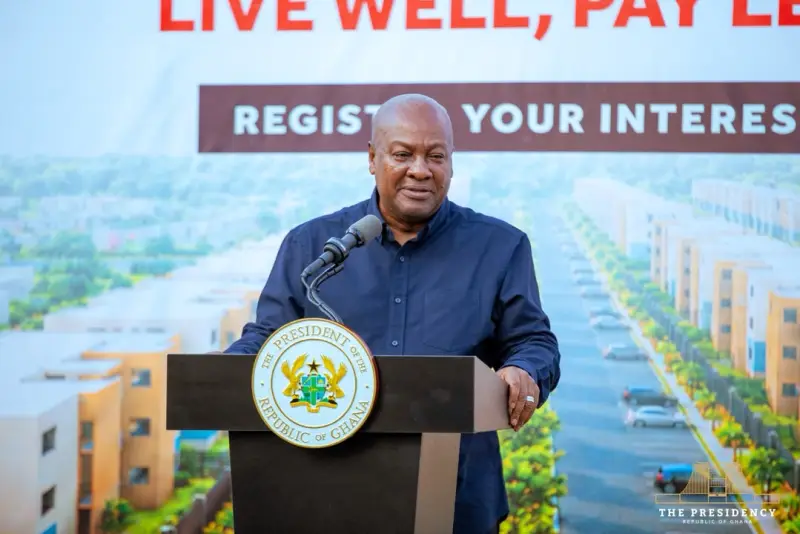
He stressed that the contribution of these workers remains critical to bringing healthcare services closer to the people, particularly in communities that have historically struggled with limited access to formal health facilities.
He further disclosed that government is simultaneously working to improve broader infrastructure in deprived districts, including roads, water supply and electricity, arguing that such improvements are necessary to make both living and working conditions more comfortable for health professionals stationed in these areas.
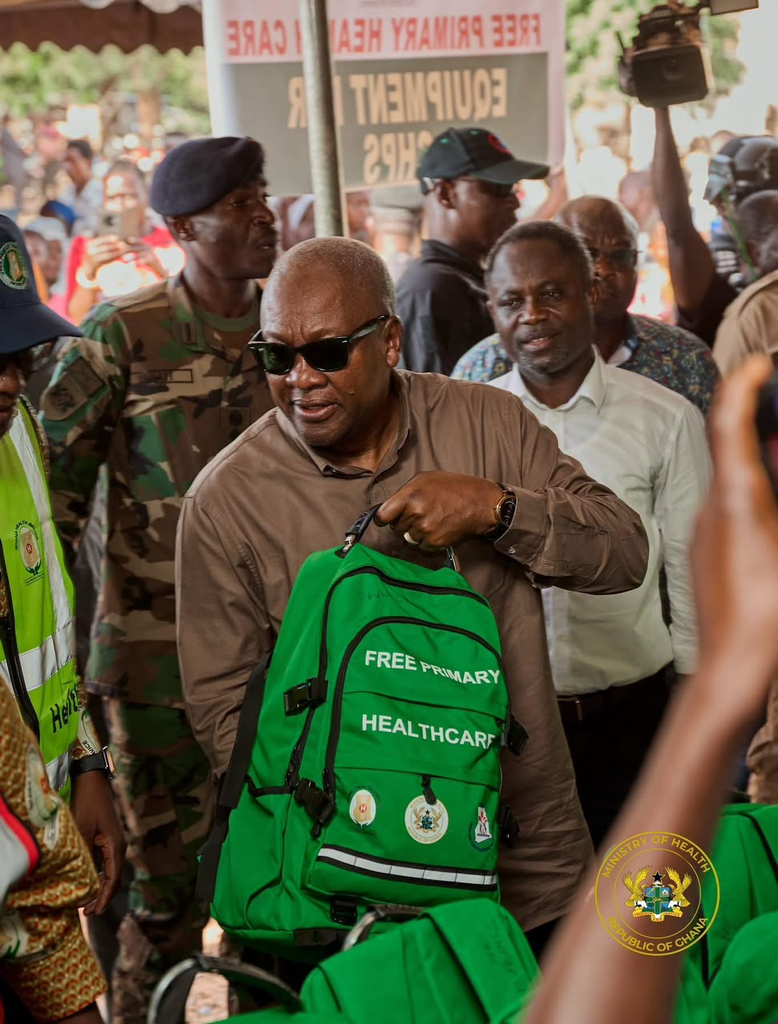
Speaking at the same event, the Minister for Health, Hon. Kwabena Mintah Akandoh, disclosed that government has procured an additional 5,000 healthcare bags and 7,000 motorcycles and tricycles for distribution to Free Primary Healthcare (FPHC) facilities nationwide.
According to the Minister, this new consignment of equipment is intended to complement supplies already distributed under the programme, further strengthening the capacity of health workers to undertake community and household visits, a core component of the FPHC model.
“We have procured an additional 5,000 healthcare bags and 7,000 motorcycles and tricycles to strengthen the capacity of health workers undertaking community and household visits,”
Hon. Kwabena Mintah Akandoh
Medical Equipment Presented to Fian Health Centre
As part of the same engagement, a range of essential medical equipment was formally presented to the Fian Health Centre to support the delivery of Free Primary Healthcare services within the area.
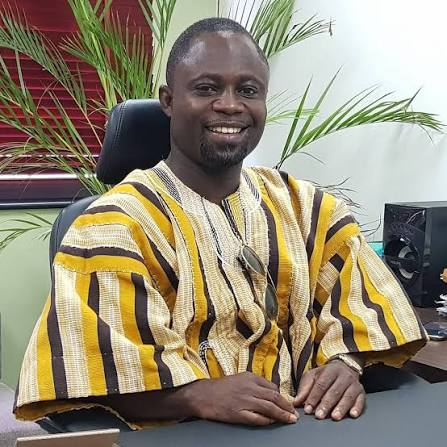
The items presented included delivery beds, cardiac machines, phototherapy machines and additional healthcare bags, among other essential supplies.
This targeted equipment donation reflects a broader pattern of infrastructural and equipment support being rolled out to individual health facilities as part of the wider FPHC expansion effort currently underway across the country’s regions.
The engagement in Daffiama-Bussie-Issa forms part of President Mahama’s broader Resetting Ghana tour of the Upper West Region, an initiative designed to ensure that essential FPHC services are brought closer to the people, with particular emphasis on community-level access and support for underserved districts within the region.
The tour appears to combine high-level policy announcements, such as the newly introduced salary incentive, with direct, facility-level interventions, including equipment donations and infrastructure commitments, suggesting a deliberate strategy to demonstrate tangible progress on the FPHC agenda at both the national and community levels simultaneously.
Broader Push to Address Health Workforce Distribution
The announcement of the 20 percent incentive adds to a growing set of interventions aimed at addressing Ghana’s longstanding challenge of health workforce maldistribution, a concern that has been repeatedly raised by public health analysts and stakeholders in recent months.
With health professionals historically concentrated in urban centres such as Accra and Kumasi, the newly announced incentive, combined with planned infrastructure improvements in deprived districts, represents a direct attempt to make rural and underserved postings more financially and practically attractive to health workers.
With the incentive now publicly announced, attention will likely turn to how quickly it is formally implemented across the health sector, and whether it succeeds in meaningfully shifting the geographic distribution of health professionals toward the underserved communities it is specifically designed to support.
READ MORE: CCG Calls for Expedited Audit into National Cathedral Project