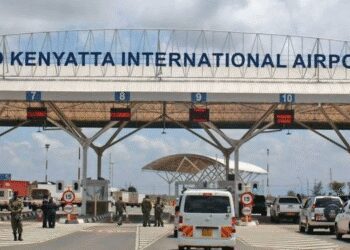
Kenya’s aviation workers have called off a two-day strike that disrupted air travel through the country’s main international gateway, easing a crisis that stranded passengers, delayed flights and forced airlines across East Africa to cancel or reschedule services.
The Kenya Aviation Workers’ Union (KAWU) suspended the industrial action after reaching a return-to-work agreement with the Kenya Airports Authority (KAA), Kenya Civil Aviation Authority (KCAA), low-cost carrier Jambojet and other stakeholders. The agreement provides for negotiations on outstanding labour issues to continue, bringing an immediate end to the disruption that had spread beyond Kenya’s borders.
The strike, which began on Sunday and was largely driven by air traffic controllers, affected operations at Jomo Kenyatta International Airport (JKIA) in Nairobi, one of East Africa’s most important aviation hubs. The disruption also spilled over into other Kenyan airports and affected regional routes, with airlines serving Rwanda, Burundi, Tanzania, Uganda, Somalia and Mauritius forced to cancel or reschedule flights.
The suspension of the strike was announced by Transport Minister Davis Chirchir and KAWU Secretary General Moss Ndiema, who revealed that workers had been instructed to return to their duties and begin restoring normal airport operations.
“We are simply calling off our strike action and pleading with our members to begin the process of normalising operations, restoring services. For those who are on duty, we are asking them to begin clearing flights.”
Moss Ndiema
The agreement is intended to provide space for the parties to address grievances that have remained unresolved for years. According to the union, the dispute has involved several institutions within Kenya’s aviation sector, with workers raising concerns over employment practices, remuneration, collective bargaining rights and the treatment of union members.
Chirchir stated that the agreement had established a framework for addressing some of the longstanding disputes.
“We have looked at various issues with very clear guidelines on how we are going to deal with the three CBAs (collective bargaining agreements) which have been suspended since 2015.”
Davis Chirchir
The reference to the three collective bargaining agreements highlights the depth of the dispute between aviation workers and employers. KAWU has argued that the absence of effective agreements has left workers without a clear framework for negotiating salaries, working conditions and other employment-related issues.
The union had previously indicated that it was seeking court-backed intervention over unresolved grievances involving KCAA, KAA and Jambojet.
Among the issues raised by the union were the lack of a collective bargaining agreement at the Civil Aviation Authority, delayed salary reviews, a dispute over the payment of union dues at KAA and alleged victimisation of union members at Jambojet.
The strike nevertheless came at a high cost to passengers and airlines, with disruption continuing into Monday and leaving travellers waiting for hours at Nairobi’s main airport for information about their flights.
Labour Disputes Expose Pressure Points in Kenya’s Aviation Sector
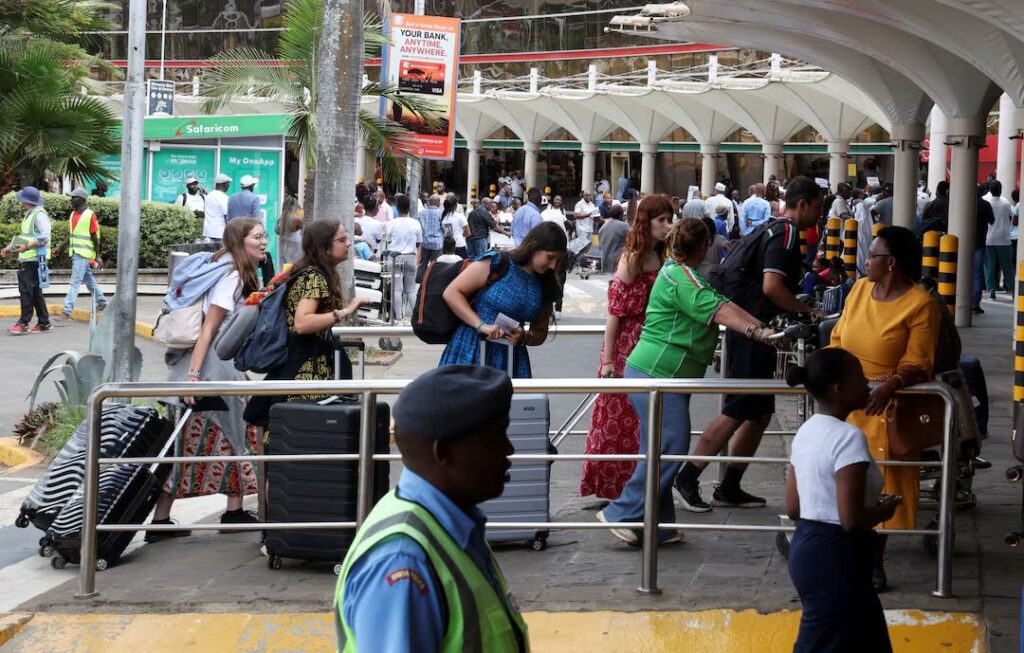
The end of the strike provides immediate relief to passengers and airlines, but it does not resolve the underlying disagreements that prompted workers to withdraw their labour.
KAWU has for years raised concerns about remuneration, working conditions and employment practices within Kenya’s aviation industry. The latest dispute reflects broader tensions over how workers are represented and how agreements governing their employment are negotiated and implemented.
Unionised workers have alleged unfair hiring practices and inadequate compensation, while concerns have also been raised about proposed changes to the management of Jomo Kenyatta International Airport.
The airport has previously experienced industrial action as aviation workers have sought improved pay and working conditions. A similar strike in February caused significant disruption, leaving passengers stranded at the country’s largest aviation hub.
The recurrence of industrial action has increased pressure on authorities and aviation sector employers to reach durable agreements with workers rather than repeatedly addressing disputes only after they escalate into strikes.
With the return-to-work agreement now in place, attention will shift to the negotiations expected to follow. The union’s decision to suspend the strike means airport operations can begin returning to normal, but workers have made clear that the underlying grievances remain on the negotiating table. The agreement therefore represents a pause in the industrial dispute rather than a definitive settlement.
READ ALSO: Interbank Payments Hit GH¢9.45trn Despite Transaction Drop