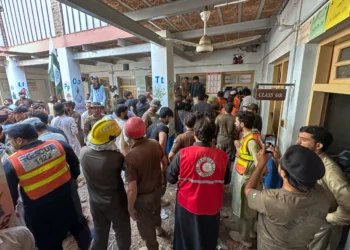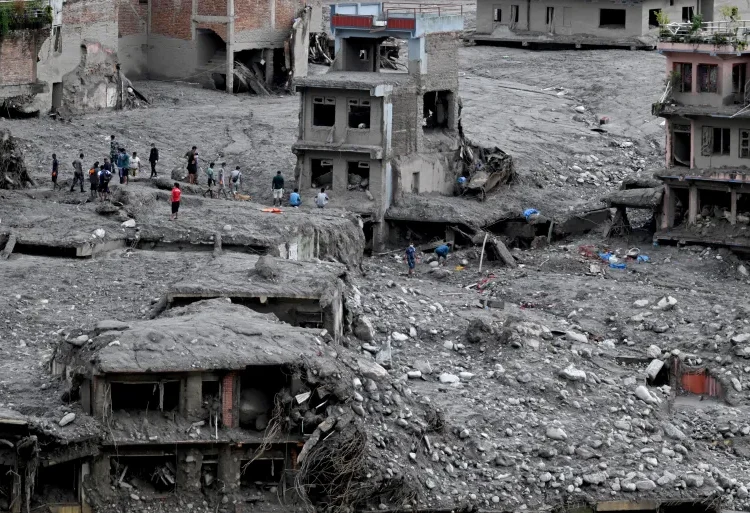
The death toll from catastrophic flooding in Nepal and China has surpassed 1,000, as rescue teams continue searching for thousands of missing people and authorities struggle to reach communities cut off by landslides, destroyed roads and widespread damage.
Nepal’s disaster agency said on Tuesday that 987 people had been confirmed dead, while 3,916 remained missing. Chinese authorities, in their latest update on Sunday, reported 16 deaths and 546 people missing on the Chinese side of the border.
At least 11,814 people have been rescued so far, according to Nepalese authorities, but the scale of the disaster continues to hamper operations across the Himalayan region. Rescue teams with search dogs combed through mud, rocks and debris on Tuesday as they searched for people still missing in both Nepal and China.
The work has been complicated by unstable terrain, damaged infrastructure and the continuing risk of landslides, with officials warning that the death toll could rise as crews reach isolated areas. In Nepal, particular attention has focused on hydropower projects damaged by the floods, where hundreds of workers are believed to have been trapped inside tunnels.
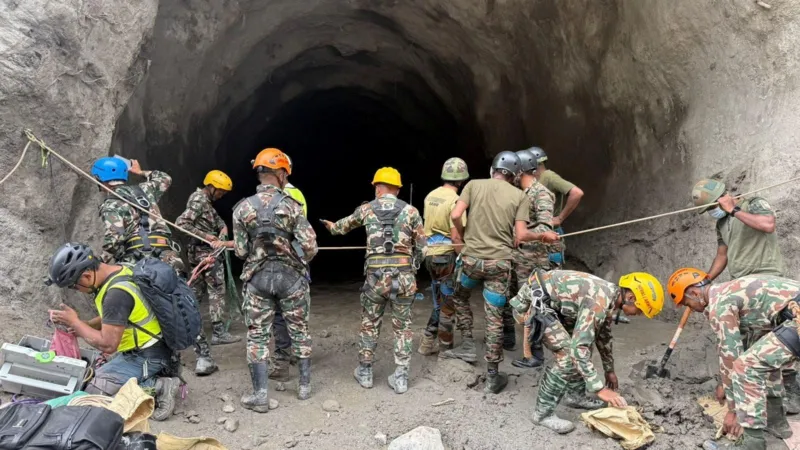
Nepalese authorities said that about 900 workers had initially been reported missing from 12 hydropower projects, with approximately 500 believed to be trapped inside tunnels. Brig. Gen. Raja Ram Basnet, a Spokesperson for Nepal’s army, said that rescue teams, supported by foreign experts, were working at several of the affected facilities.
Prime Minister Balendra Shah said that 279 workers had so far been rescued from hydropower projects, reducing the number of people believed to be missing from the initial estimates. The search for the remaining workers remains one of the most urgent elements of the rescue operation.
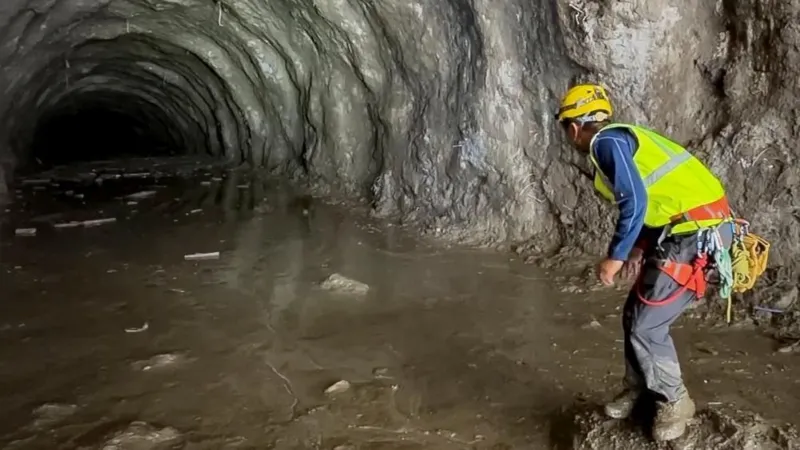
Floodwaters and landslides have damaged access roads and other infrastructure, making it difficult for emergency teams and heavy equipment to reach some of the affected sites. The disaster has also placed significant pressure on Nepal’s wider relief system.
The flooding struck after a catastrophic glacial collapse in the Himalayan region sent a powerful surge of water, ice, rock and mud through river valleys along the Nepal-China border. The torrent swept through communities, destroyed bridges and roads and severely damaged hydropower infrastructure.
The disaster has affected both local residents and foreign nationals who were in the region for work, tourism and religious pilgrimages.The scale of the missing-persons reports has added another layer of complexity to an already extensive search operation.
Emergency authorities are continuing to assess damaged infrastructure while attempting to restore access to isolated communities. In some areas, helicopters remain among the few available means of reaching survivors and transporting injured people or emergency supplies.
The continuing danger from unstable slopes and damaged infrastructure has also forced rescuers to balance the urgency of the search with the safety of emergency personnel. Further rainfall or movement of debris could trigger additional landslides and complicate operations.
The disaster has renewed attention on the vulnerability of Himalayan communities to extreme weather and glacial hazards. Scientists have warned that rising temperatures are contributing to changes in the region’s glaciers and increasing risks associated with unstable mountain environments.
Authorities have intensified efforts to deliver food, water, medical supplies and other assistance to survivors in communities where roads and transportation routes have been destroyed or blocked. More than $42 million in aid has been pledged or delivered to Nepal since the disaster, with the government expecting international contributions to increase as the scale of the humanitarian needs becomes clearer.
China Announces Second Batch Of Relief Supplies
China is also providing additional assistance. Chinese Foreign Ministry spokespeyrson Guo Jiakun said that a second batch of relief supplies for Nepal was expected to be shipped on Tuesday.
The shipment includes drones, DNA testing equipment and water purification systems intended to support rescue and relief operations. Chinese DNA testing specialists will also assist Nepalese authorities in identifying recovered bodies, according to Guo. The equipment is expected to be particularly useful in remote and heavily damaged areas where traditional search and identification efforts have been difficult.
For now, Nepal’s priority remains locating those still missing, rescuing people trapped in damaged facilities and providing assistance to communities cut off from the rest of the country.With thousands still unaccounted for and rescue teams continuing to enter previously inaccessible areas, authorities expect the humanitarian operation to remain a major challenge in the days ahead.
The latest death toll underscores the scale of the disaster, while the large number of missing people means the final human cost is not yet known.
READ ALSO: GIPA Showcases Ghana’s Investment Potential at Africa Business Investment Summit 2026 In Washington