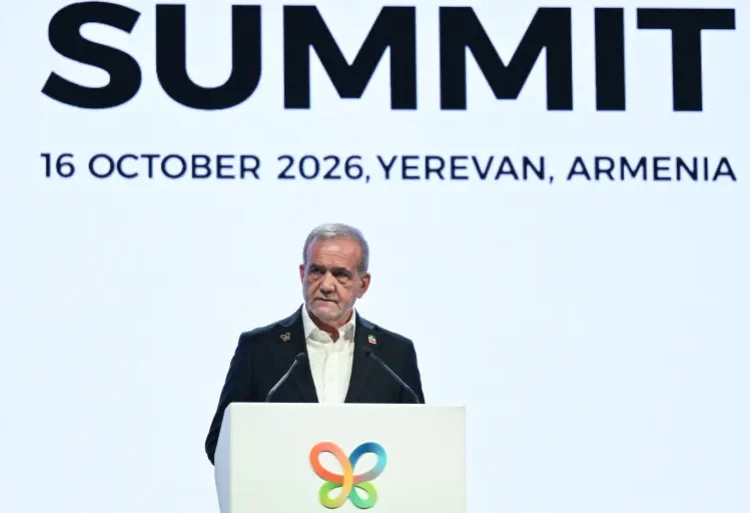
Iranian President, Masoud Pezeshkian has warned that the ongoing US-Iran war is causing lasting environmental damage, urging the international community to strengthen mechanisms for protecting ecosystems and restoring areas affected by military operations.
Speaking in Armenia, where he is participating in the 17th Conference of the Parties to the United Nations Convention, Pezeshkian accused the United States and Israel of damaging Iran’s natural environment through attacks on industrial and energy facilities.
He said that the strikes had destroyed natural ecosystems and environmental infrastructure by triggering fires, releasing pollutants and contaminating water and soil.
“War does not only target people and infrastructure; it also destroys forests, wetlands, and water resources, pollutes the soil, destroys habitats, displaces animal species, and introduces chemicals and heavy metals into natural cycles, leaving lasting damage for years after the conflict ends.”
Masoud Pezeshkian
The Iranian President stressed that environmental destruction during armed conflicts should not be treated as a secondary consequence of war, arguing that it directly threatens the security and wellbeing of future generations.
He called on governments to recognise the broader consequences of military operations, particularly the potential for pollution and ecosystem destruction to persist long after hostilities have ended. “The Islamic Republic of Iran was among the first countries to recognize the legal and international significance of this issue and become a party to the Convention on Biological Diversity (CBD),” he said.
Iran Calls For International Action Against ‘Ecocide’
Pezeshkian urged the international community to pay greater attention to the environmental consequences of military conflicts in Iran and the wider region.
He argued that environmental damage caused by war extends beyond national borders because pollution affecting air, water and soil can spread across countries, making the issue a shared international concern.
“This is not merely a domestic issue or one confined within a country’s political borders. Nature recognizes no political boundaries, and the spread of water, soil, and air pollution does not stop at national frontiers. The environmental damage caused by war is therefore global in nature and requires international solutions.”
Masoud Pezeshkian
The US President cited the destruction in Gaza as an example of the potentially prolonged effects of armed conflict on ecosystems. According to experts cited in his remarks, parts of the territory’s soil could remain unable to support natural life, vegetation and ecological cycles for hundreds of years.
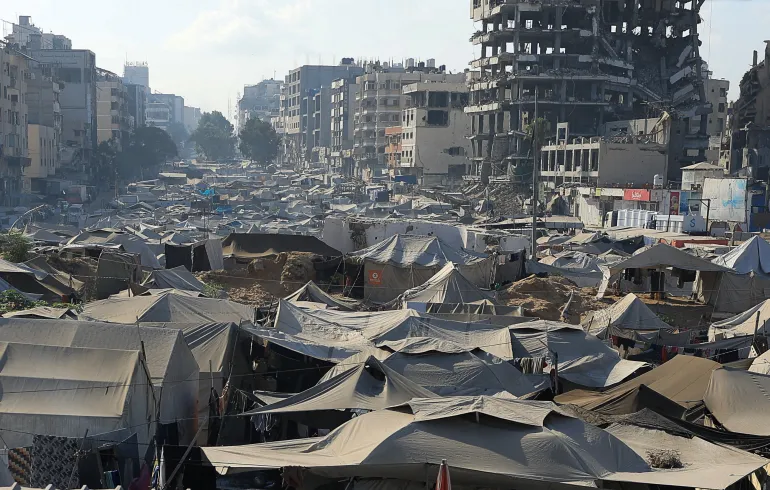
Describing the destruction associated with what he called wars of aggression in the region, Pezeshkian used the term “ecocide,” referring to severe environmental destruction, which he said should be condemned.
He asserted that the international community is “expected to establish effective, transparent, and enforceable mechanisms to protect natural heritage and biodiversity.” “No country should be allowed to treat nature as a silent and defenseless victim of war,” he said.
Pezeshkian added that Iran remained committed to implementing the Convention on Biological Diversity and advancing global conservation objectives. He stated that the country continued to pursue the protection of natural areas, wetlands, forests, rangelands, wildlife habitats and genetic resources alongside sustainable development.
His remarks placed environmental protection within the wider debate over the consequences of war, particularly the need for international cooperation to assess damage and support the recovery of affected ecosystems.
Pezeshkian Urges Funding For Environmental Recovery
Beyond calling for stronger international rules, Pezeshkian mentioned the financial and technological challenges facing countries seeking to protect their environments while dealing with conflict and economic pressure.
He said that Iran was confronting climate change, drought, water scarcity, desertification and declining natural resources, alongside the effects of economic sanctions and restricted access to technology and financial resources.
The Iranian President argued that these pressures made international cooperation essential to implementing environmental programmes and repairing damage caused by military operations.
He also alleged that Iran had been targeted in two consecutive years by what he described as criminal wars involving the extensive use of destructive and prohibited weapons. He further claimed that some attacks were intended to cause environmental damage, citing strikes on fuel storage facilities in the Iranian capital.
Pezeshkian emphasised that biodiversity conservation would remain limited to negotiations, resolutions and targets unless governments backed their commitments with adequate financing, access to knowledge and technology, and capacity-building support.
“If developing countries are expected to protect their forests, wetlands, species, and genetic resources, they must also be provided with the means to fulfill that responsibility. This is the true meaning of environmental justice.”
Masoud Pezeshkian
He called on United Nations agencies, international financial institutions and organisations working in environmental protection and sustainable development to strengthen funding mechanisms, assess environmental damage, restore degraded ecosystems and support countries affected by the environmental consequences of armed conflicts.
In his concluding remarks, Pezeshkian noted that Iran was prepared to cooperate constructively with the international community by sharing its scientific and academic capabilities and experience with other countries.
He argued that biodiversity conservation could become an important pillar of “peace diplomacy,” positioning environmental protection as an area in which international cooperation could contribute to broader efforts to promote peace.
His appeal comes amid growing concerns about the long-term ecological consequences of armed conflicts, including pollution, habitat destruction and damage to natural resources that communities depend on for their livelihoods.
READ ALSO: IShowSpeed Partners With The Obamas for ‘Eyes of Ghana’ Screenings