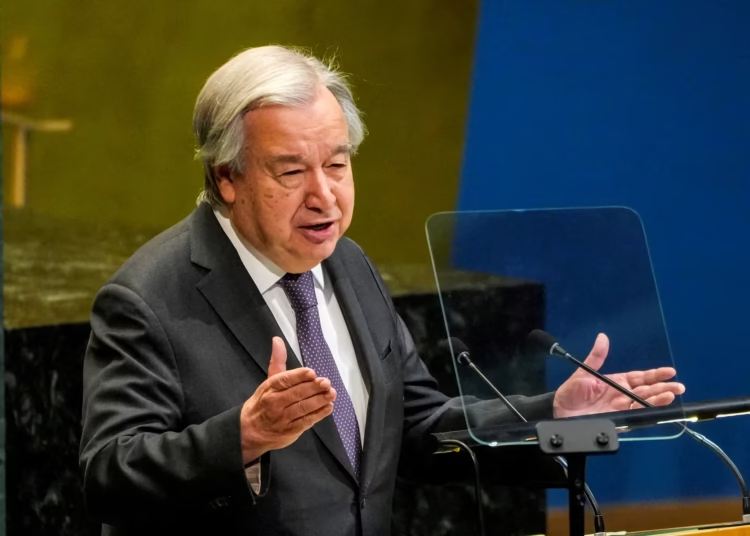
United Nations Secretary-General António Guterres has urged governments, businesses and communities to accelerate efforts to protect biodiversity, warning that continued environmental destruction is pushing more than one million species towards extinction.
The UN Chief called for stronger government commitments, increased investment in nature and greater participation from communities affected by environmental degradation.
He warned that the destruction of natural ecosystems threatens the resources essential to human survival, including food, water and clean air, while worsening the interconnected crises of pollution, biodiversity loss and climate change.
“The food we eat, the water we drink, the very air we breathe all are the gifts of biodiversity. Yet every day, humankind saws another branch off the tree of life.”
António Guterres
Guterres attributed the accelerating environmental crisis to factors including climate disruption, overgrazing and the excessive use of fertilisers and pesticides, warning that their combined effects were bringing the world closer to conditions that could threaten its habitability.
However, the UN Chief maintained that the trajectory could still be changed through decisive political leadership, adequate financing and coordinated action across governments, businesses and civil society.
Biodiversity Protection Targets Remain Off Track
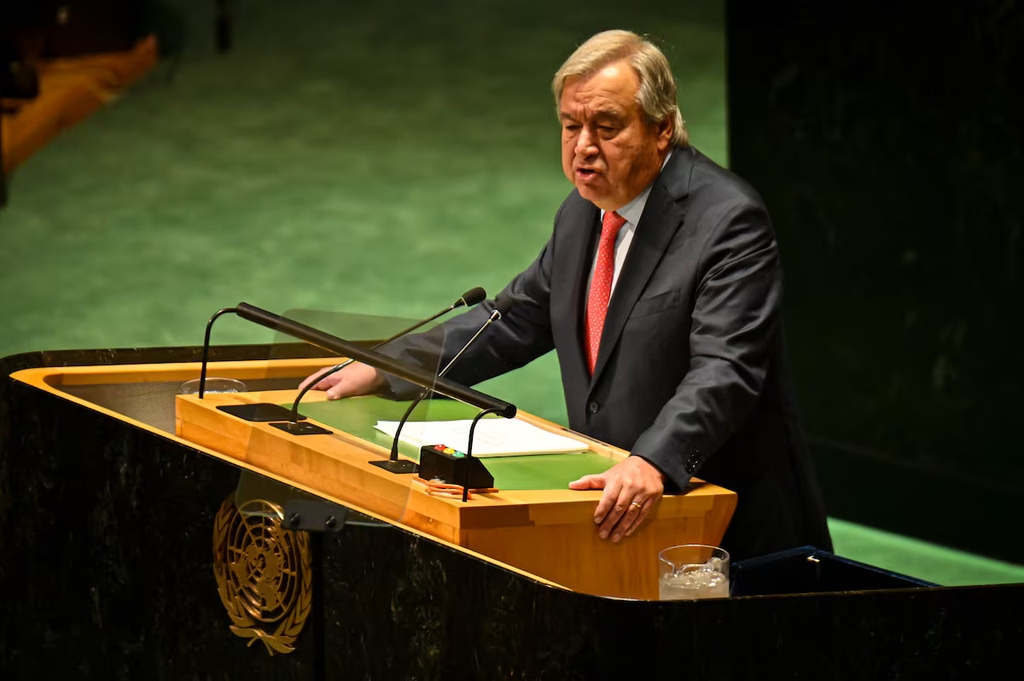
United Nations Secretary-General António Guterres acknowledged progress under the Kunming-Montreal Global Biodiversity Framework, adopted in December 2022, but warned that countries were moving too slowly to meet its conservation targets.
Nearly 90% of the framework’s parties have established national biodiversity targets, while more than half have developed national road maps to guide implementation. Since 2022, an additional 1.3 million square kilometres of land and six million square kilometres of ocean have also received formal protection.
Despite these gains, the Secretary-General warned that current commitments remained insufficient to achieve the framework’s central ambition of protecting 30% of the world’s land and seas by 2030.
He noted that even if countries fulfilled their existing pledges, only 26% of terrestrial ecosystems and 12% of marine ecosystems would be protected by the deadline, leaving both targets substantially unmet.
Guterres also identified significant gaps in national commitments concerning economic activities that harm nature, particularly efforts to reduce incentives that encourage environmental destruction.
Insufficient financing, technical capacity, international cooperation and data collection were further undermining implementation, with biodiversity funding remaining less than half of the $200 billion agreed annually under the framework.
He stressed that “addressing any of these crises requires addressing them all. And there is no time to waste.”
To reverse the trend, Guterres called on governments to pursue the “30 by 30” target, strengthen environmental monitoring and transparency, enforce existing laws and transition from policies that damage ecosystems towards sustainable practices.
Guterres Calls for Financial Shift
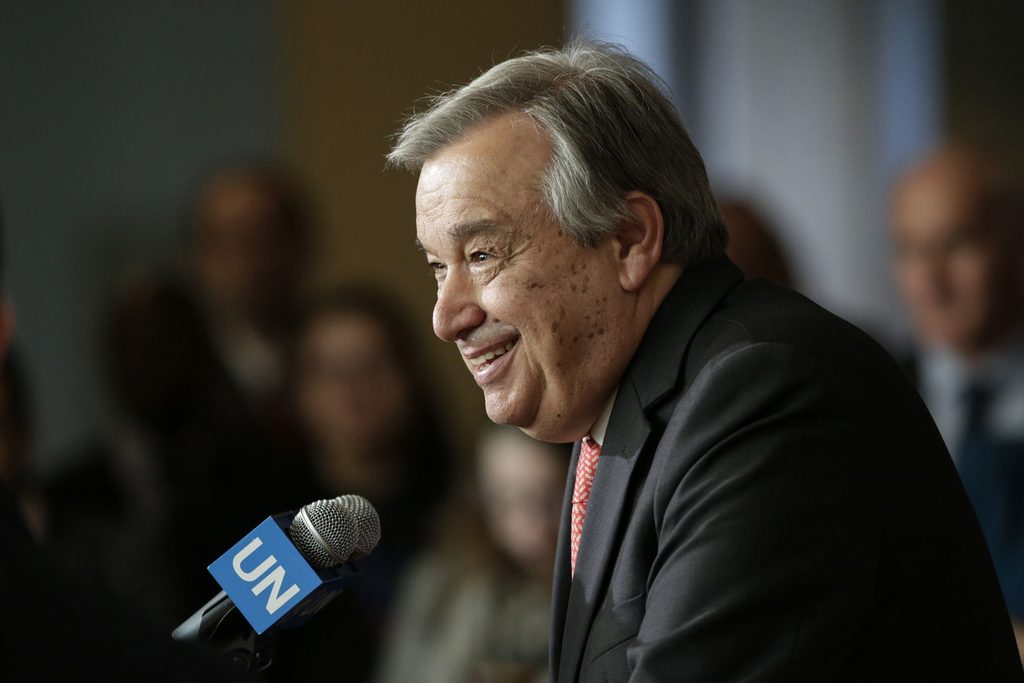
In addition, the UN Chief identified the misallocation of global finance as a major obstacle to biodiversity protection, arguing that governments and businesses continue to direct substantial resources towards activities that damage ecosystems rather than restore them.
He highlighted estimates showing that for every dollar invested in protecting nature, approximately $30 is spent on activities that harm it.
“In 2023, $7.3 trillion flowed into nature-negative industries. I urge governments everywhere to end these handouts once and for all, and to use the savings for people and planet instead.”
António Guterres
He called for governments to redirect harmful subsidies and other financial support towards initiatives that protect ecosystems, restore degraded land and advance sustainable development.
According to Guterres, annual investment in nature-based solutions must reach $571 billion by 2030 to meet global biodiversity, climate and land-restoration goals. The amount represents approximately 0.5 per cent of global gross domestic product.
He also urged the private sector to take greater responsibility for environmental protection, highlighting the UN-backed Cali Fund as a mechanism through which companies that benefit from nature can contribute to its conservation.
Guterres pointed to the expansion of renewable energy as evidence that economic activity could increasingly shift towards less environmentally damaging alternatives. The cost of solar power has fallen by almost 90 per cent since 2010, while investment in clean energy has risen to nearly twice the level of investment in fossil fuels.
He further noted that renewable energy prevented emissions in the previous year equivalent to the combined emissions of the United States, the European Union and Japan.
However, the Secretary-General cautioned that the benefits of the global energy transition remained unevenly distributed, particularly among developing countries.
UN Chief Urges Inclusive Action Ahead of COP17
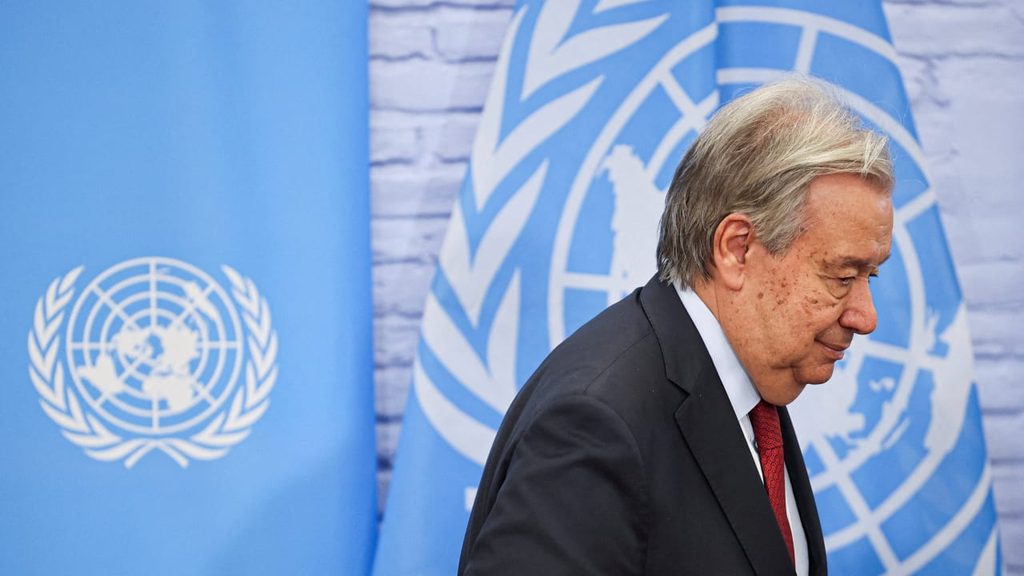
In view of that, Guterres has called for broader participation in biodiversity policymaking, emphasising the importance of involving young people, civil society organisations, women, Indigenous Peoples and local communities in decisions affecting the environment.
He argued that communities bearing the greatest consequences of environmental degradation often have valuable knowledge and practical solutions that should inform conservation policies.
“Environmental decline often falls hardest on the most vulnerable, and those who did the least to cause the problem. But the solutions often arise from these same groups.”
António Guterres
The Secretary-General’s appeal places inclusive decision-making alongside government leadership and financial reform as essential elements of an effective global response to biodiversity loss.
With COP17 approaching, the summit in Armenia offers governments an opportunity to assess progress under the global biodiversity framework and address the shortcomings preventing countries from meeting their commitments.
Guterres, who noted that only 76 days remained until the end of his tenure as UN Secretary-General, identified the fight against climate change, biodiversity loss and pollution as among his highest priorities.
He urged world leaders to translate existing commitments into practical measures capable of protecting ecosystems and securing the natural resources on which future generations depend.
READ ALSO: India Tightens Security Ahead of Fresh CJP Protest