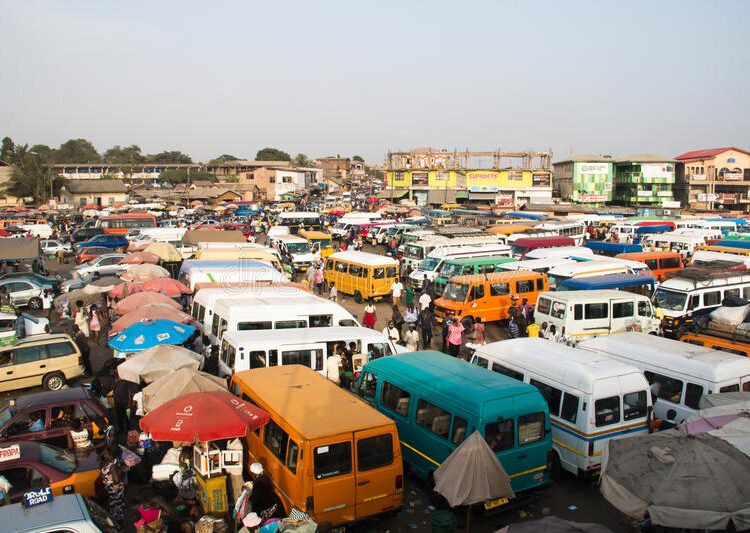
The Ghana Private Road Transport Union (GPRTU) and the Ghana Road Transport Coordinating Council (GRTCC) has renewed its call for a 30% increase in public transport fares, arguing that current operating costs have exceeded the threshold used to determine fares by submitting a proposal to the Ministry of Transport.
Speaking about the proposal, the Deputy Public Relations Officer of the GPRTU, Samuel Amoah explained that the union initially intended to introduce the adjustment in August but suspended the move after government intervened and promised measures to reduce fuel prices. Mr Amoah disclosed that the union subsequently monitored developments in fuel prices throughout August in anticipation of a reduction that could have eased pressure on commercial transport operators.
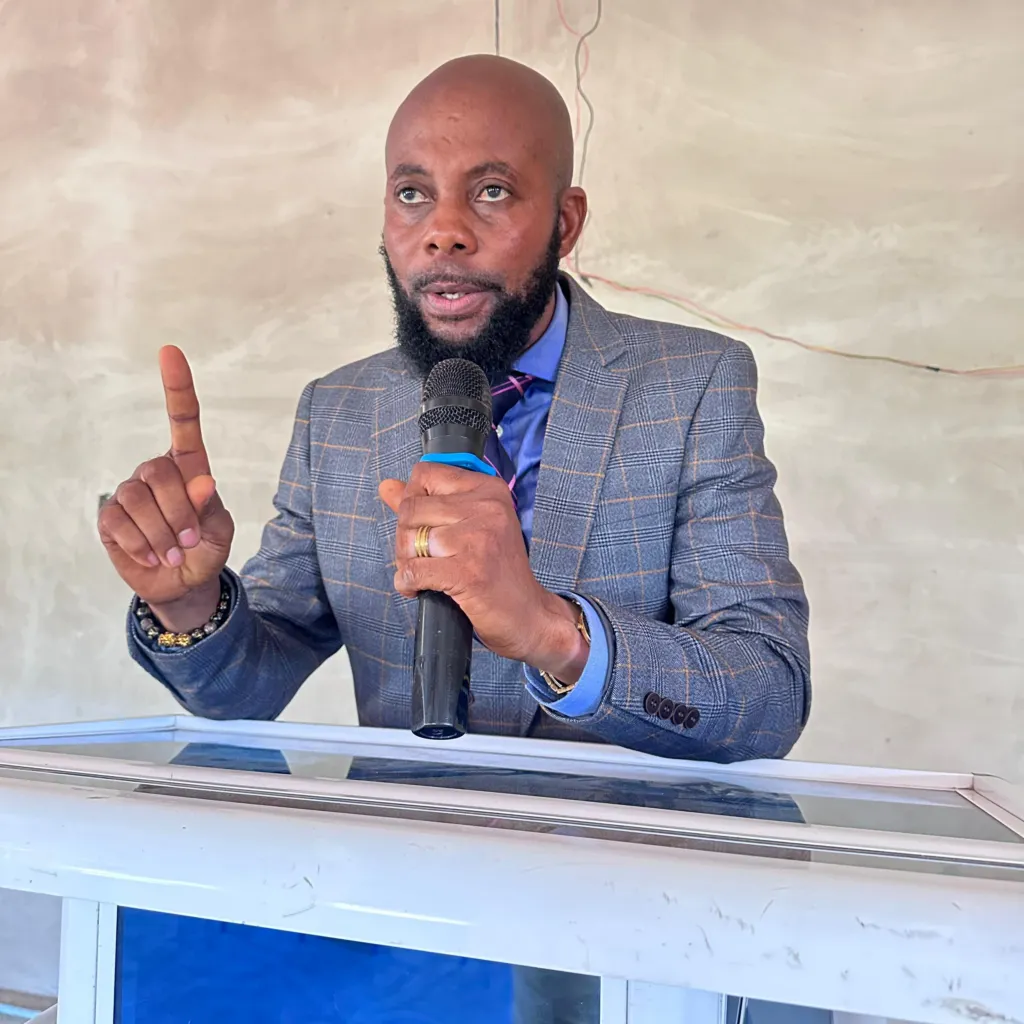
However, the expected relief did not materialise, while indications towards the end of the month pointed to another possible increase in fuel prices, prompting the union to revive its proposal. He noted that the GPRTU operates with a benchmark that triggers a fare review once specified cost increases reach an agreed percentage threshold.
According to the Deputy PRO, the current situation has pushed many drivers into a difficult financial position, with daily earnings increasingly consumed by fuel costs and leaving little room to cover other expenses. Mr Amoah further explained that the pressure extends beyond drivers because vehicle owners also depend on sufficient daily returns to finance repairs and routine maintenance.
“The drivers will go to work and at the close of the day, all the money will go to fuel, and they cannot make their sales.”
Samuel Amoah
He argued that the GH¢2 reduction in the price of diesel absorbed by government provided some relief but did not restore fuel costs to the level that previously supported existing fares. The Deputy PRO pointed out that diesel approached GH¢20 per litre before the intervention, after which the price fell to about GH¢17, but remained significantly higher than the level used during the previous fare adjustment.
He recalled that when diesel was around GH¢14.90, transport operators were asked to review fares by 15%, indicating that the subsequent increase altered the cost structure of the sector. Mr Amoah therefore stressed that the government intervention, although appreciated by transport operators, has not eliminated the financial pressure facing commercial drivers and vehicle owners.
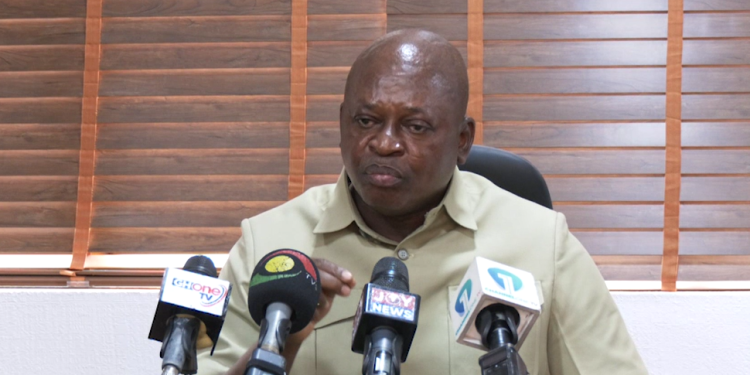
Mr Amoah is confident that some form of fare adjustment would be required if operating costs remain at their current levels. “Certainly, there will be an increment,” the Deputy PRO declared, although he acknowledged that the final percentage could change during negotiations with government.
GPRTU Explains Costs Behind Proposed 30% Fare Increase
The Ghana Private Road Transport Union (GPRTU) also outlined the range of expenses considered in its proposal for a 30% increase in public transport fares, as consultations with government prepare to begin.
Deputy Public Relations Officer of the GPRTU, Samuel Amoah, disclosed that the proposal takes into account several costs that directly affect commercial road transport operations. He identified fuel, spare parts, lubricants and various statutory charges as the major areas examined before the union arrived at the proposed adjustment.
Mr Amoah explained that spare parts include essential vehicle components such as engines, tyres and shock absorbers, whose rising prices add significantly to the cost of keeping commercial vehicles on the road. Lubricants also form part of the calculation, with the union considering expenses for engine oil, automatic transmission fluid, brake fluid and other products required for vehicle operation and servicing.
Beyond vehicle-related expenses, the assessment covers taxes and statutory payments imposed on operators, including Driver and Vehicle Licensing Authority charges, insurance and assembly levies. Internal Revenue payments were also included in the assessment, giving the union a broader basis for determining the proposed fare adjustment.
“The major components that we considered before we arrived at the 30% proposal are fuel price, spare parts, lubricants and taxes.”
Samuel Amoah
Meanwhile, the formal consultation process has already moved forward following the submission of the union’s proposal to the Ministry of Transport. The Deputy PRO revealed that the Minister for Transport promised to fast-track consideration of the request because of the pressure surrounding public transport operations and the wider impact on commuters.

He indicated that the minister is expected to engage Cabinet on the matter, with the union anticipating feedback and a possible meeting to discuss the outcome. Mr Amoah explained that the proposed 30% adjustment should not be viewed as an automatic final figure because negotiations could result in a lower percentage.
However, he argued that any rejection of an increase would have to be accompanied by a substantial reduction in the costs that triggered the request, particularly fuel prices and other major operational expenses. He therefore indicated that the union is open to negotiations but expected government to recognise the financial realities confronting transport operators.
“The government can only reject the proposal by reducing the fuel price again. Anything less than that means the proposal might come down.”
Samuel Amoah
Mr Amoah’s position suggests that the final fare adjustment will depend on negotiations, but the union expects an increase unless operating costs fall substantially before the process is concluded.
READ ALSO: Gushegu MP Says CJ Has Descended Into Political Arena