The Africa Centre for Energy Policy (ACEP) has issued a compelling call to action demanding the rapid establishment of domestic mineral refining and industrial processing capabilities across Anglophone Africa.
Highlighting the critical juncture facing the continent during the global energy transition, the energy policy think tank stressed that resource-rich nations must immediately move away from the traditional raw material export model.
By urging governments across the sub-region to strategically align energy supply, industrial policy, and resource governance, the organization emphasizes that true economic sovereignty depends entirely on converting raw mineral endowments into high-value refined products on African soil.
“Last week was a powerful reminder that Africa’s extractive future will require more than resources. It will require knowledge, strong institutions, strategic policies, investment, regional cooperation and a commitment to ensuring that value is created and retained on the continent.”
Africa Centre for Energy Policy (ACEP)

The initiative aims to reshape how nations leverage their natural wealth to power local industrialization and create long-term economic resilience.
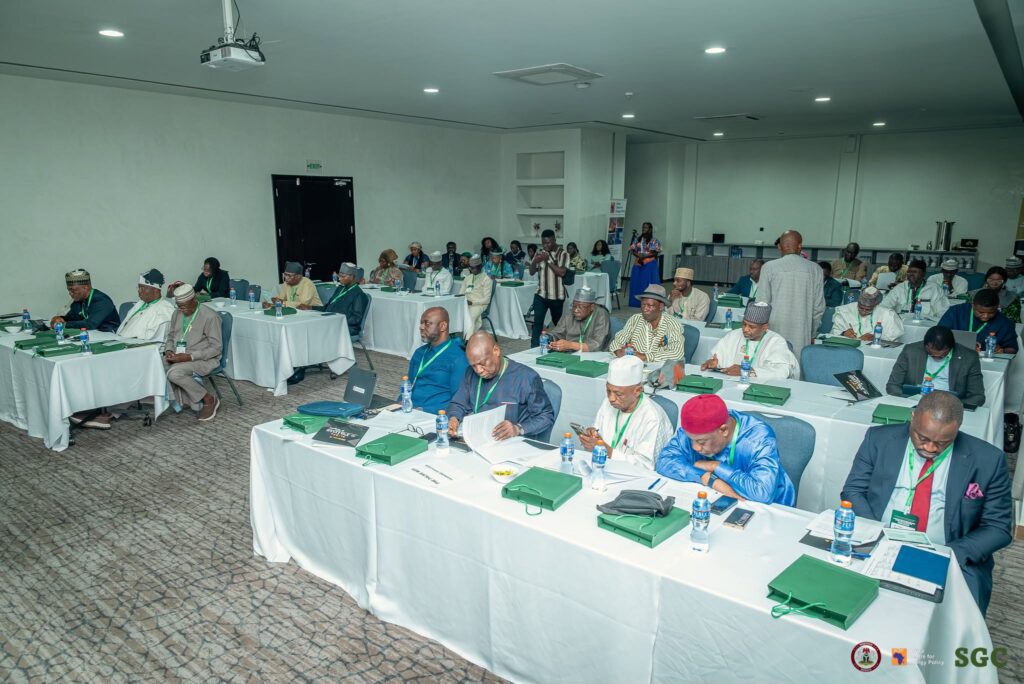
At the recently concluded AFRIEKH Summer School on “Managing Africa’s Extractive Future in the Energy Transition,” ACEP convened approximately 50 policymakers, researchers, and practitioners from across Anglophone Africa to dissect the structural bottlenecks impeding resource-backed growth.
Central to these deliberations was the stark realization that despite possessing vast deposits of critical minerals, African countries risk remaining at the bottom of global supply chains unless they construct robust processing plants, secure affordable energy networks, and establish competitive policy frameworks.
Overcoming the Raw Export Trap in Africa’s Resource Governance
For decades, the sub-Saharan extractive sector has been defined by an asymmetric dynamic where primary commodities are shipped abroad, leaving host nations exposed to volatile commodity price shocks and meager revenue returns.
In countries like Ghana, vast deposits of raw bauxite continue to be exported without the necessary value addition that yields significant job creation or industrial spillover effects.
Addressing this deficit requires an urgent overhaul of traditional governance models. According to energy expert Patrick Kwabena Stephenson, overcoming this structural trap demands that governments construct the “infrastructure, energy systems, policies and industrial capabilities needed to develop competitive refining and processing industries.” Without these foundational pillars, the continent’s vast mineral endowment will fail to translate into tangible socioeconomic transformation.
Beyond the logistical infrastructure, building a viable refining ecosystem requires a drastic reduction in carbon intensity throughout the extractive value chain.
As global markets increasingly demand responsibly sourced inputs, managing environmental externalities becomes paramount.
Highlighting the necessity of environmental accountability in resource extraction, Dr. Charles G. Ofori emphasized the urgency of “understanding methane emissions, strengthening measurement and reporting systems, and taking practical steps to reduce emissions” while simultaneously managing the continent’s petroleum resources.
Lowering environmental impact ensures that African refined minerals remain competitive under tightening international carbon regulations and trade standards.
Navigating Capital Mobilization and Community Equity in the Transition
Transitioning from raw resource extraction to sophisticated industrial refining requires massive financial capital and stable investment architecture. In an increasingly constrained global market, African nations face unprecedented hurdles in securing the long-term, low-cost capital necessary to construct capital-intensive processing facilities and energy networks.
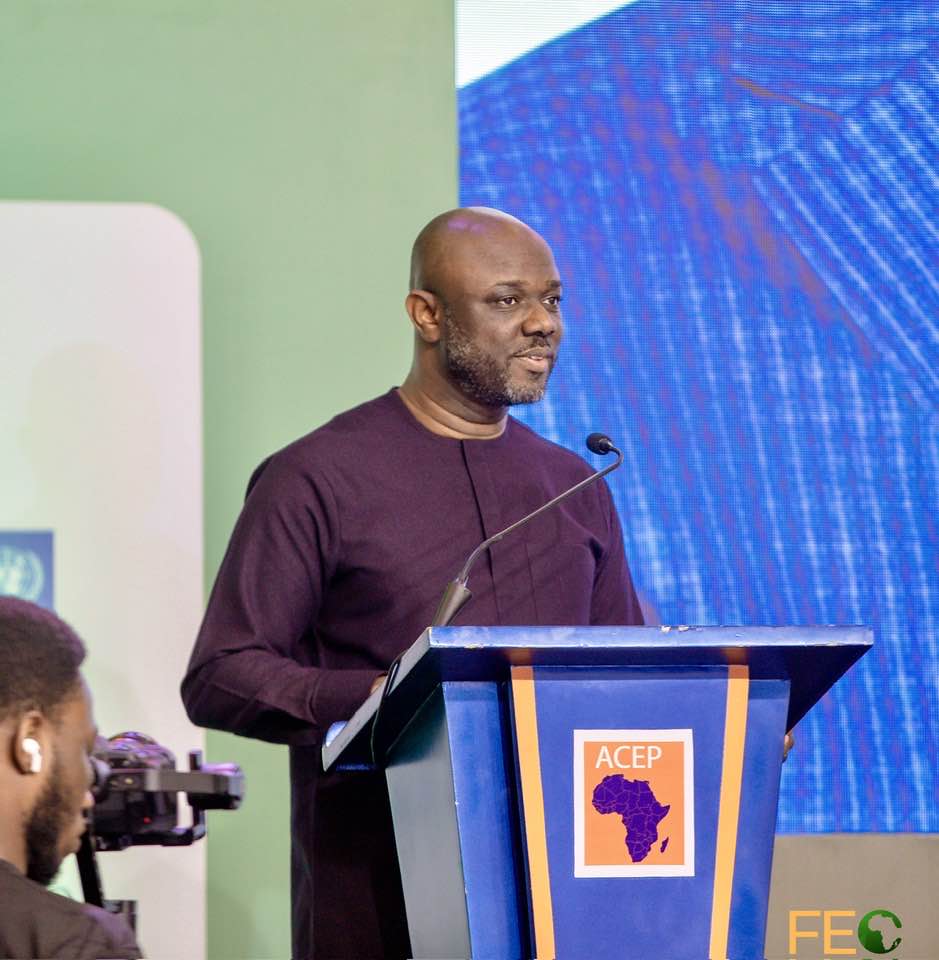
Facilitating conversations around regional investment mechanisms, Dr. Olufunso Somorin pointed out the crucial task of navigating the “challenges of mobilising capital for Africa’s energy needs” alongside the necessity of deploying “innovative financing, effective risk allocation and stronger investment frameworks.“
Overcoming these financial bottlenecks requires strategic public-private partnerships capable of derisking industrial development for private investors.
At the same time, the aggressive global drive for transition minerals presents acute localized risks for frontline communities where these deposits reside.
A truly sustainable industrial transition must prioritize social equity alongside economic gain, ensuring that local populations are not marginalized by the rapid expansion of mining activities.
Speaking on the socio-economic dynamics of resource extraction, Tengi George-Ikoli underscored the necessity of evaluating how the accelerating demand for minerals affects frontline populations, urging leaders to verify that “the transition delivers inclusive development, protects livelihoods and creates opportunities for resource-rich communities.” Protecting land rights and local welfare ensures that mineral refining serves as a driver of shared prosperity rather than conflict.
Bridging Policy with Practice for Long-Term Regional Resilience
The push for localized mineral processing across Anglophone Africa ultimately hinges on bridging academic research, policy formulation, and industry execution.
Disconnects between political rhetoric and actual market operations have historically stymied regional industrialization initiatives.
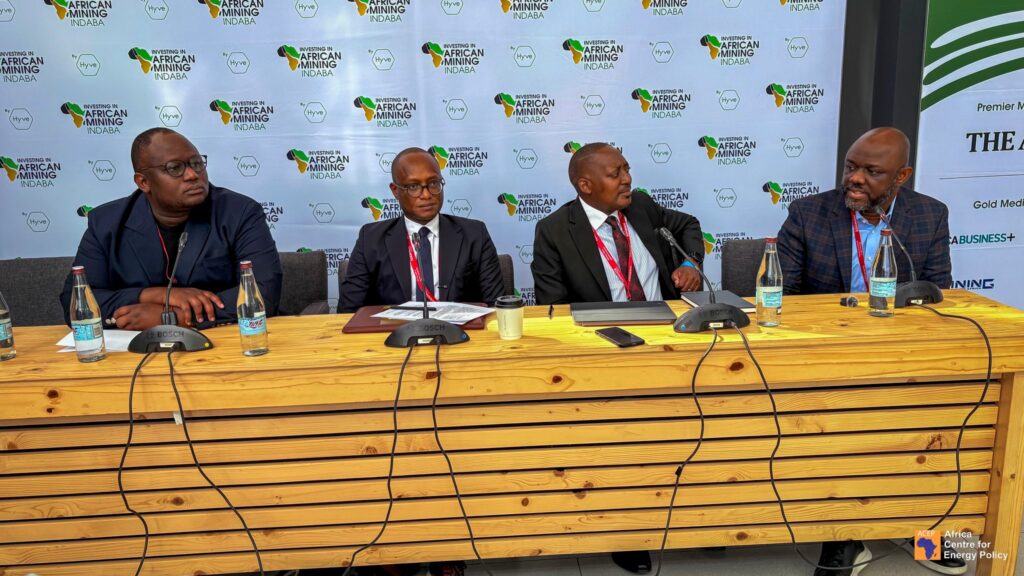
By connecting participants directly with decision-makers at the Future of Energy Conference 2026, ACEP demonstrated that cross-sectoral collaboration is essential to transforming abstract mineral strategies into operational refineries.
Aligning industrial targets across regional economic blocs allows nations to pool energy resources, share technical expertise, and build integrated supply networks capable of supporting large-scale refining hubs across the continent.
READ ALSO: IMANI Boss: CJ Entitled to Speak on “Astonishing Decadence”