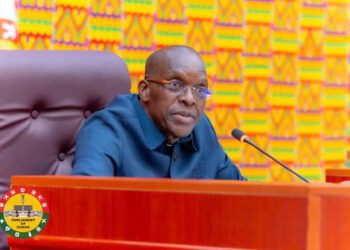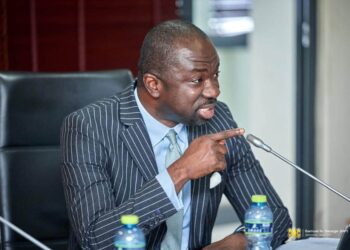
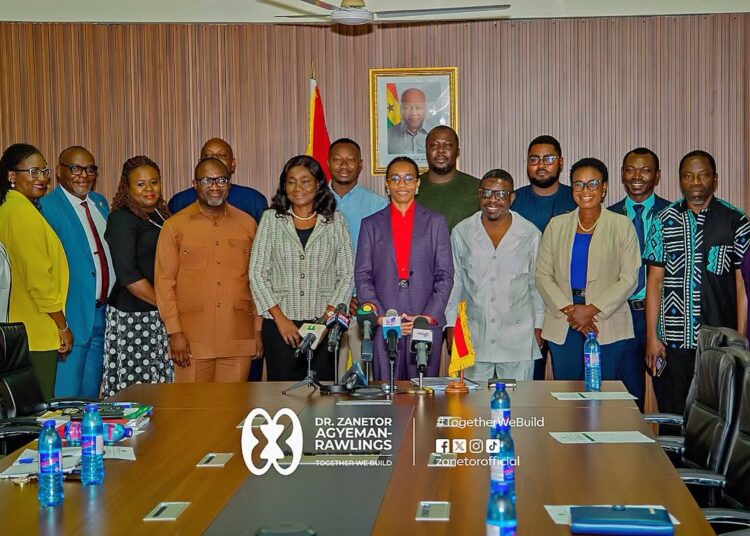
Dr Zanetor Agyeman-Rawlings officially assumed office as Minister for Environment, Science and Technology on Wednesday, September 3, 2026, telling ministry staff the moment carried mixed emotions given the death of her predecessor while laying out expectations of discipline, transparency and accountability for the institution she now leads.
Dr Agyeman-Rawlings, MP for Klottey Korle, takes over a portfolio left vacant following the August 2025 helicopter crash that killed the substantive Minister for Environment, Science, Technology and Innovation, Dr Ibrahim Murtala Muhammed, alongside Defence Minister Dr Edward Omane Boamah and six others.
Her appointment, confirmed by Parliament last month as part of President Mahama’s ministerial reshuffle, closes a vacancy that had run for more than a year under acting arrangements.
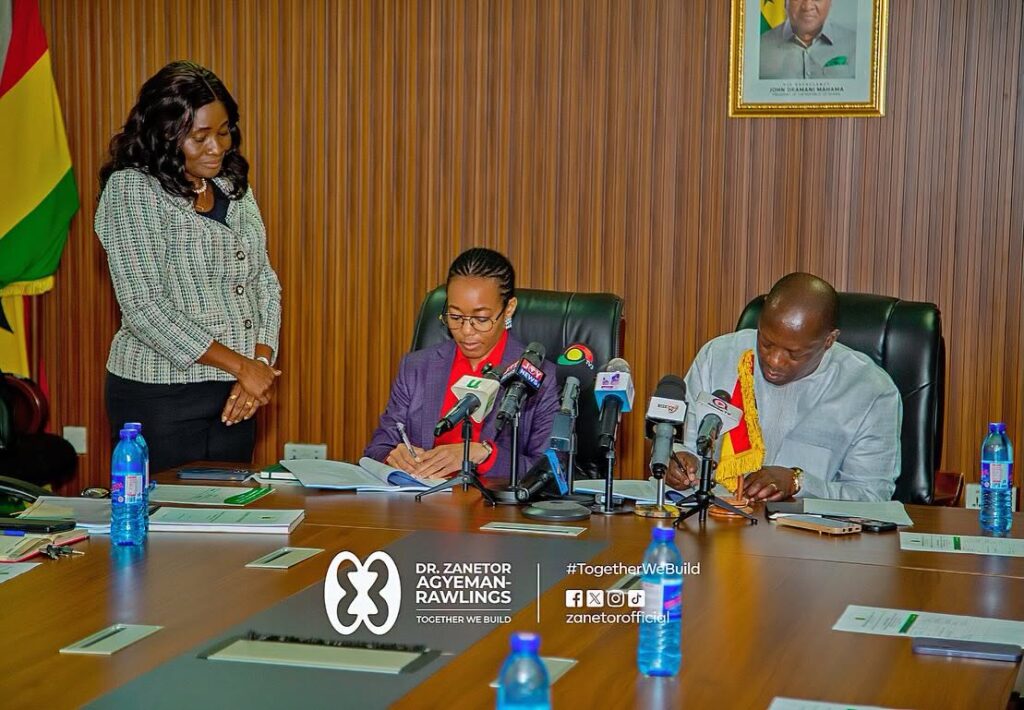
Dr Agyeman-Rawlings opened her remarks by addressing the loss directly rather than moving past it. “Today is a day that is one with slightly mixed feelings because we’ve had a vacancy created here as a result of the unfortunate demise of a friend of ours who was a colleague as well, who was the minister prior to my coming here,” she said.
She framed her arrival not as a clean start but as a continuation shaped by that loss, describing the moment as an opportunity for the ministry to work together to bring the institution’s core mandate to life.
Science, Technology and the Environment Must Work Together
Dr Agyeman-Rawlings set out her understanding of the ministry’s central purpose, arguing that science, technology and innovation cannot be pursued at the expense of the environment. She grounded that position in the 1992 Constitution, noting that both government and citizens carry a constitutional responsibility to protect Ghana’s environment.
She pointed to the Directive Principles of State Policy as making that dual responsibility explicit, spelling out both the roles government must play and the roles citizens must play in environmental protection.
She said the ministry has a duty not only to collaborate internally and generate ideas toward that objective, but also to help raise public awareness of citizens’ own environmental responsibilities.
Dr Zanetor Agyeman-Rawlings situated her appointment within what she described as an unprecedented period of environmental pressure, both in Ghana and globally.
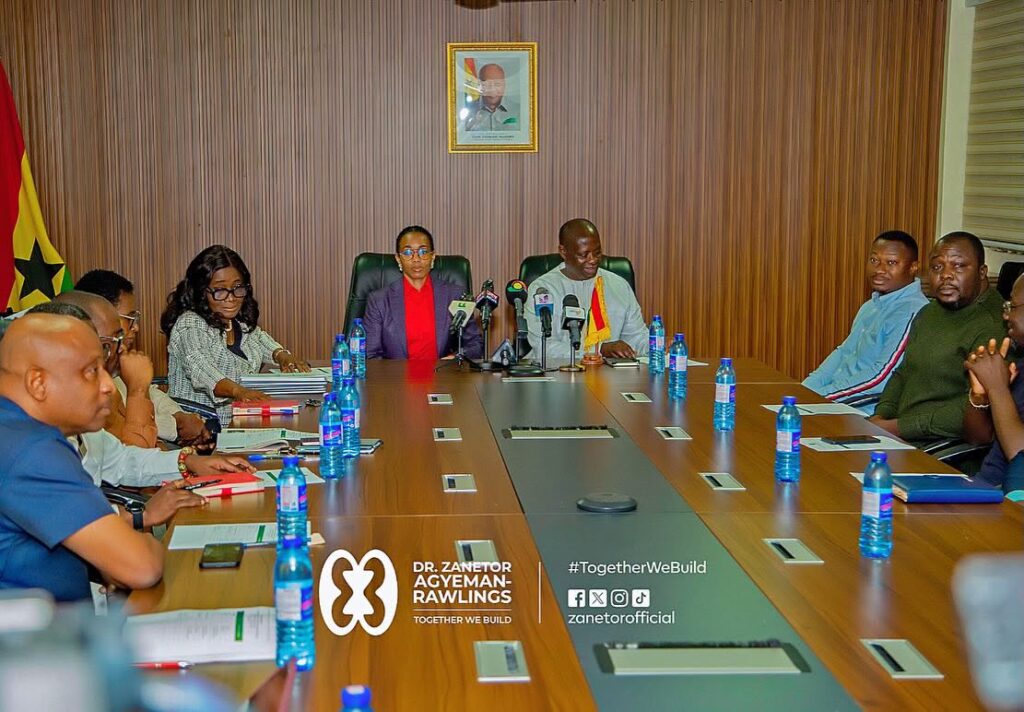
She said the challenges posed by climate change and environmental degradation caused by human activity have never been as severe as they are now, describing the scale of the task ahead as significant, not only for Ghana but across the continent and the wider world.
A Team-Based Approach, Not Favouritism
Dr Agyeman-Rawlings addressed ministry staff directly on how she intends to lead, positioning herself as a collaborator rather than a distant head of institution.
“I would like to assure Chief Director, directors and all personnel that I’m here to work with you. We are working as a team. Yes, indeed, I am the head of the institution, but our success will depend on how we work together, cooperate, collaborate.”
Dr Zanetor Agyeman-Rawlings, Minister for Environment, Science and Technology
She was explicit in ruling out favouritism as part of her leadership style. “Please be assured of the fact that I’m not here to pick favourites,” she said. “My job here is to make sure that we work together, that we achieve our objectives.”
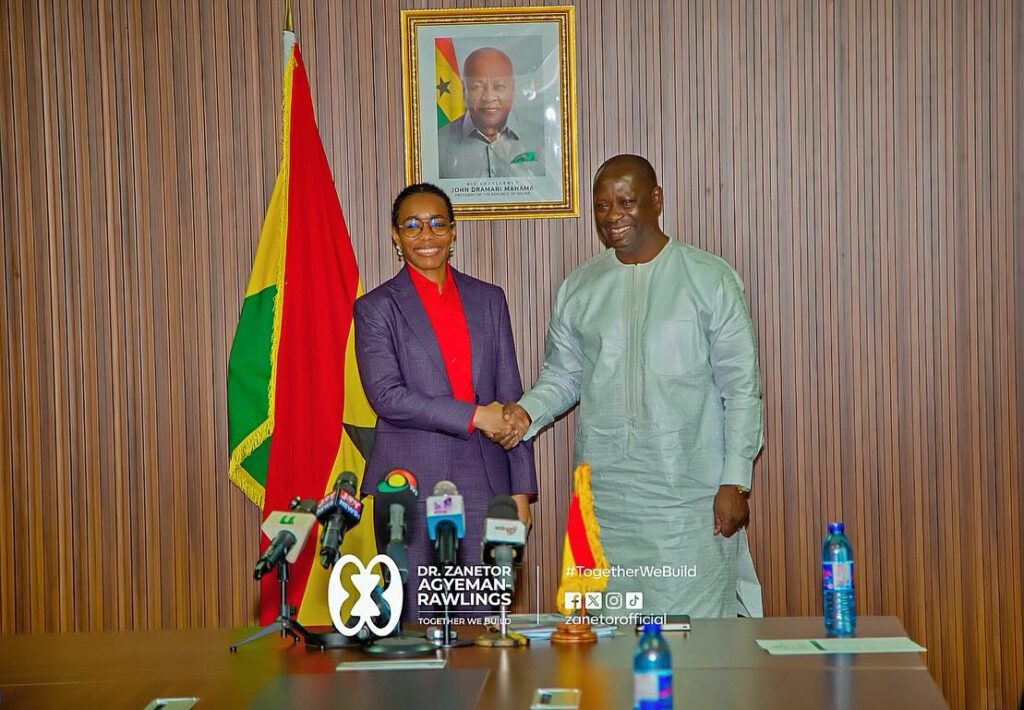
Dr Agyeman-Rawlings closed by outlining the standards she expects of staff in the future.
“What I would have an expectation of is a minimum standard of discipline, of transparency and accountability, and of prudence when it comes to handling of resources that are actually the taxpayers’ contribution towards this country’s development,” she said, tying institutional conduct directly to the public’s stake in how the ministry manages the funds entrusted to it.
READ ALSO: Ghana Deepens UK Mining Ties to Drive Responsible Mineral Investment