The African Development Bank (AfDB) has approved a financing framework worth up to US$5.06 billion to help African countries withstand shocks to energy, fertilizer and food supplies, a move that could provide an important financing buffer for import-dependent economies such as Ghana.
The Global Energy and Fertilizer Crisis Response Framework was approved earlier this month, as rising energy and commodity costs, combined with disruptions to international trade routes, expose African economies to renewed pressure on import bills, inflation and fiscal balances.
The facility comprises an additional US$4.1 billion in African Development Bank lending and up to US$960 million from the African Development Fund, the Bank Group’s concessional financing arm.
The framework will operate for one year before being reviewed and will provide support according to the level of vulnerability and exposure of individual countries.
For Ghana, the energy component is particularly relevant because changes in international crude oil prices and shipping costs can quickly feed into domestic petroleum prices, transport costs and broader production expenses.
Energy Supply Risks Drive New Financing
The AfDB said the continuing instability in the Middle East is creating an external shock for African economies that remain heavily dependent on imported energy and other essential commodities.
Disruptions along major maritime corridors are adding another layer of pressure by increasing transportation costs, delaying deliveries and making supply chains less predictable.
The new framework is designed to provide countries with rapid financing during such disruptions while supporting longer-term measures aimed at reducing exposure to volatile international markets.
“A crisis response must do more than cushion the shock. It must make countries stronger. That is exactly what this framework aims to achieve.”
Abdul Kamara, Acting Vice President for Country and Regional Operations, AfDB
The Bank will deploy the facility across four areas: macroeconomic stabilisation, protection of critical energy, food and fertilizer supplies, protection of essential public spending and longer-term resilience.
Ghana’s Import Exposure Raises The Stakes
Ghana stands to benefit from the broader resilience objective because its downstream petroleum market remains closely exposed to international crude and refined-product prices.
When global oil prices rise, Ghana’s import costs can increase even before domestic factors such as the exchange rate and local pricing margins are considered.
Higher shipping and insurance costs can further increase the cost of bringing petroleum products into the country.

The impact extends beyond filling stations.
Higher fuel costs can raise the cost of transporting agricultural produce, operating heavy equipment and moving goods across the country.
Diesel-price increases are particularly significant because the fuel is widely used in commercial transport, mining, construction, agriculture and industrial operations.
This means an external energy shock can move through Ghana’s economy in several stages: from international oil markets to import costs, then to domestic fuel prices, transportation and production costs, and ultimately household prices.
The AfDB facility could therefore be relevant to Ghana not simply as emergency financing, but as part of a broader effort to strengthen the economy’s ability to absorb external energy shocks.
Financing Must Build Energy Resilience
The more significant opportunity, however, lies beyond short-term relief.
The AfDB framework explicitly seeks to reduce African countries’ dependence on volatile external markets by supporting diversified supply chains, regional solutions and stronger domestic production.
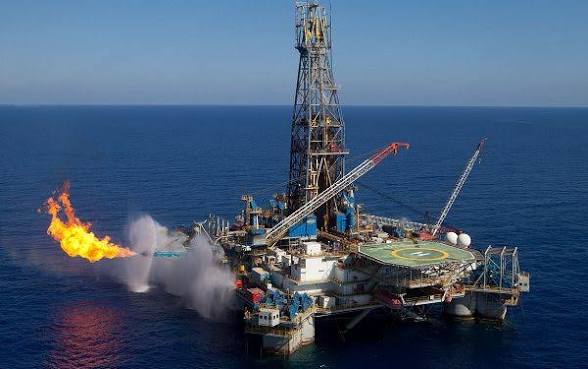
For Ghana, that principle has implications for the development of domestic gas resources, petroleum infrastructure, renewable energy, electricity transmission and regional energy trade.
Greater use of Ghana’s indigenous gas resources in power generation, for instance, can reduce exposure to some imported fuels while supporting electricity reliability.
At the same time, investment in solar, storage and transmission can gradually diversify the power system and reduce the concentration of energy-security risks.
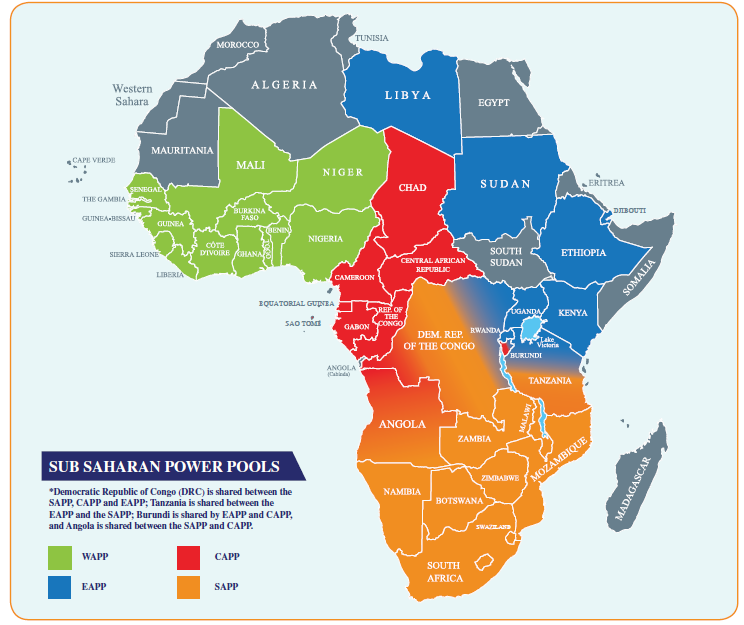
Regional electricity and gas markets could also provide another layer of resilience by allowing countries to access alternative sources when domestic supply comes under pressure.
The challenge is ensuring that crisis financing does not become a mechanism for repeatedly absorbing the same external shocks without addressing the structural vulnerabilities that create them.
Energy Security Moves Up The Financing Agenda
The scale of the AfDB intervention reflects a broader shift in how energy security is being viewed across Africa.
The issue is no longer limited to whether countries have sufficient generation capacity or access to fuel.
It increasingly involves the resilience of supply chains, foreign-exchange exposure, transport infrastructure, fiscal capacity and the ability to finance energy imports during periods of global volatility.
The AfDB expects the additional resources to raise its 2026 lending target to approximately US$12.7 billion.
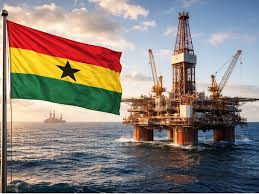
For Ghana, the priority should therefore be to position any potential support within investments that reduce recurring exposure to international energy shocks rather than relying solely on temporary price relief.
A stronger domestic gas and electricity infrastructure, diversified generation mix, efficient energy markets and deeper regional interconnections would provide more durable protection than short-term intervention at the pump.
The new AfDB facility consequently offers more than a financial cushion. Its significance for Ghana lies in whether the country can use the wider financing opportunity to move from managing energy shocks to reducing the vulnerability that allows those shocks to spread through the economy.
READ ALSO: Minority Demands Full Records On GH¢49m Emergency Evacuation Spending