The Helping Africa Foundation is marking ten years of its Yamoransa Model, a solar-powered computer lab initiative that has significantly improved academic performance among beneficiary students, with the organisation now expanding the programme beyond Ghana into other African countries.
Speaking on the impact of the programme, Deputy Executive Director of the Helping Africa Foundation, Jonathan Wiesner, said factual impact evaluations have demonstrated a roughly 34 percent improvement in the scores of children who have benefited from the organisation’s computer labs, compared to students without access to similar facilities.
According to Wiesner, the Yamoransa Model has made a significant impact not only on students’ performance in the Basic Education Certificate Examination (BECE), but also on the career paths students pursue after completing school.
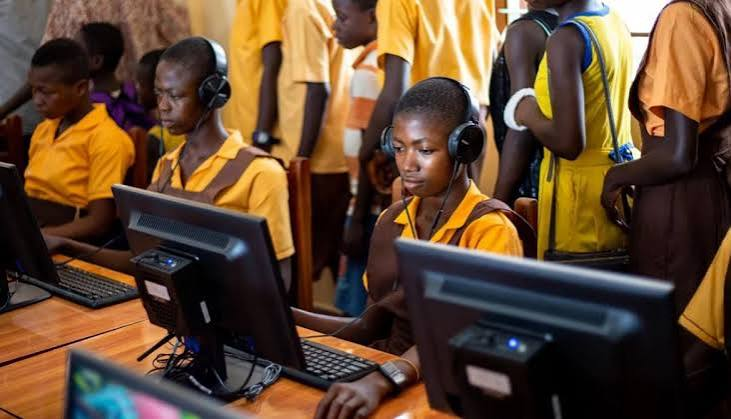
He noted that many of the children benefiting from the programme had never previously seen a computer, yet have since developed skills enabling them to participate meaningfully in a 21st-century economy.
“We know that the Yamoransa Model works, it makes a huge difference on students’ performance and on the career choices they make after graduating,”
Jonathan Wiesner
Government Endorsement And Regional Expansion
Wiesner disclosed that the programme has received formal endorsement from the Government of Ghana, with the Minister of Education requesting support to expand the model further within the country.
He further noted that education ministry representatives from Tanzania, Zanzibar and Liberia have also endorsed the programme and requested its expansion into their respective countries.
“Our vision is to create a network of these centres throughout Africa, this is a Pan-African programme, not just a Ghana initiative,”
Jonathan Wiesner
Wiesner explained that the Yamoransa Model extends well beyond a simple computer lab, describing it as a comprehensive ecosystem incorporating solar-powered facilities equipped with computers, internet access, robotics kits and 3D printers, alongside teacher training, curriculum development and sustained community engagement.

The programme also includes dedicated initiatives for after-school and weekend learning, as well as specific programming aimed at encouraging girls’ participation in STEAM education.
Community Ownership Central To Sustainability
Addressing long-term sustainability, Wiesner explained that community ownership remains central to ensuring that labs continue functioning long after initial installation.
He described a management structure involving community members, parents, teachers and district education officials, alongside trained local technicians responsible for maintaining equipment, with small service fees generating revenue for ongoing maintenance and internet costs.
“We have labs that have been running for eight or nine years now without additional major funding, it works because community ownership is central to our model,”
Jonathan Wiesner
According to figures shared during the discussion, Ghana currently hosts 17 operational Yamoransa labs, with two additional facilities under construction this year, bringing the total to 19 within the country. Beyond Ghana, the model has also been extended to Gambia and Liberia, each currently hosting one lab.
Innovative Offline Learning Technology
The programme’s technical design incorporates a device capable of broadcasting WiFi across roughly half a football field without requiring internet connectivity, allowing students to access pre-loaded lessons directly within the classroom.
This approach was specifically designed to keep students focused on structured educational content rather than unrestricted internet access, ensuring that only vetted material is available for learning.

The organisation’s tenth anniversary celebration, themed “A Decade Of Impact: Empowering The Next Generation,” is set to bring together distinguished guests including education ministry representatives from Tanzania, Zanzibar and Liberia, alongside Ghana’s Minister of Education.
The event will feature the unveiling of a documentary tracing the evolution of the Yamoransa Model since its inception, alongside testimonials from students and centre managers who have been part of the programme’s decade-long journey.
READ MORE: Communication Gaps Fuelling School Placement Crisis – Dr Anti Partey