Data and policy analyst Alfred Appiah has indicated that formalising Ghana’s small-scale mining sector is crucial to ensuring that the country extracts sufficient fiscal revenue from its vast mineral wealth to drive national development.
Addressing the broader fiscal realignments in the extractive industry, Alfred Appiah highlighted that redirecting mineral revenues toward infrastructure projects provides a far more productive model for national economic growth than previous administrative spending paradigms.
“Mineral royalties and dividends, mostly from large-scale gold mining firms, that MIIF would have collected, paid itself significant salaries from, and then come back to declare “profits” to us while pursuing questionable deals like Agyapa, are now going towards funding the Accra-Kumasi Expressway. Reducing the share of mineral revenues going to MIIF (from 78% to 2%) is one of the most consequential decisions Ato Forson and the government have made. But there’s more to be done.”
Data and policy analyst Alfred Appiah

Elaborating on the strategic shift, Appiah noted that mineral royalties and dividends primarily originating from large-scale gold mining entities are now being channeled to directly fund critical national infrastructure like the Accra-Kumasi Expressway.
He emphasized that the decision by Finance Minister Dr. Cassiel Ato Forson and the government to slash the Minerals Income Investment Fund’s (MIIF) share of mineral revenues from 78 percent to just 2 percent represents one of the most consequential fiscal reforms in recent memory.
This structural change redirects capital away from administrative overheads and dubious corporate ventures toward tangible capital projects.
Structural Reallocation of Mineral Royalties
The reallocation of state extractive returns marks a major pivot in Ghana’s resource governance framework. For years, institutional structures allowed significant volumes of mineral royalties and statutory dividends to remain within statutory funds, where substantial amounts were consumed by executive compensation and controversial transactional maneuvers.
By capping MIIF’s retainment at 2 percent, the government has effectively reclaimed critical revenue streams for the consolidated fund, directly plugging national budget deficits and financing major transportation corridors without added commercial debt.
This fiscal recalibration ensures that economic rents generated from finite natural resources deliver immediate, visible infrastructure to the public.

Observers point out that using primary resource revenues to build long-term economic corridors like the Accra-Kumasi Expressway creates secondary multiplier effects across trade, logistics, and regional commerce.
However, while large-scale mining operations have historically borne the burden of statutory compliance and taxation, the state’s broader revenue optimization strategy remains incomplete without bringing artisanal operators into the formal tax net.
Leveraging Small-Scale Mining for Fiscal Growth
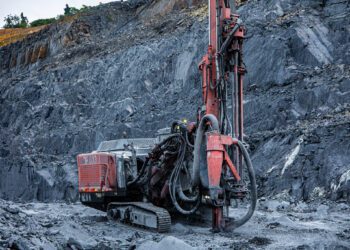
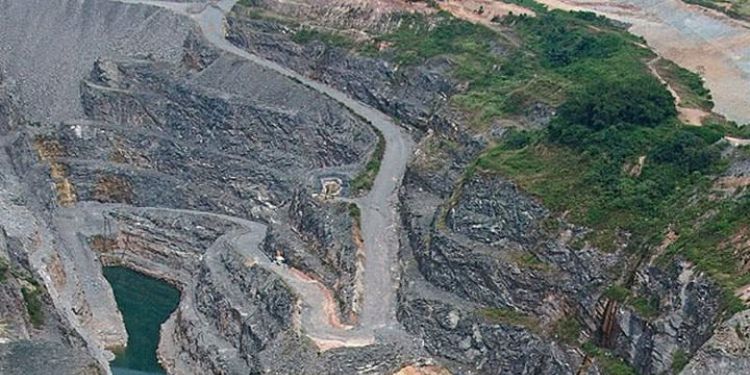
Despite large-scale mining generating substantial foreign exchange, the small-scale mining sub-sector has quietly transformed into the primary engine of Ghana’s physical gold output.
Small-scale and artisanal operators currently account for more than half of the country’s total gold exports, yet the state captures only a fraction of the economic value generated by these operations.
This persistent gap between production volume and fiscal realization continues to limit the government’s capacity to fund development projects through internal revenue generation.
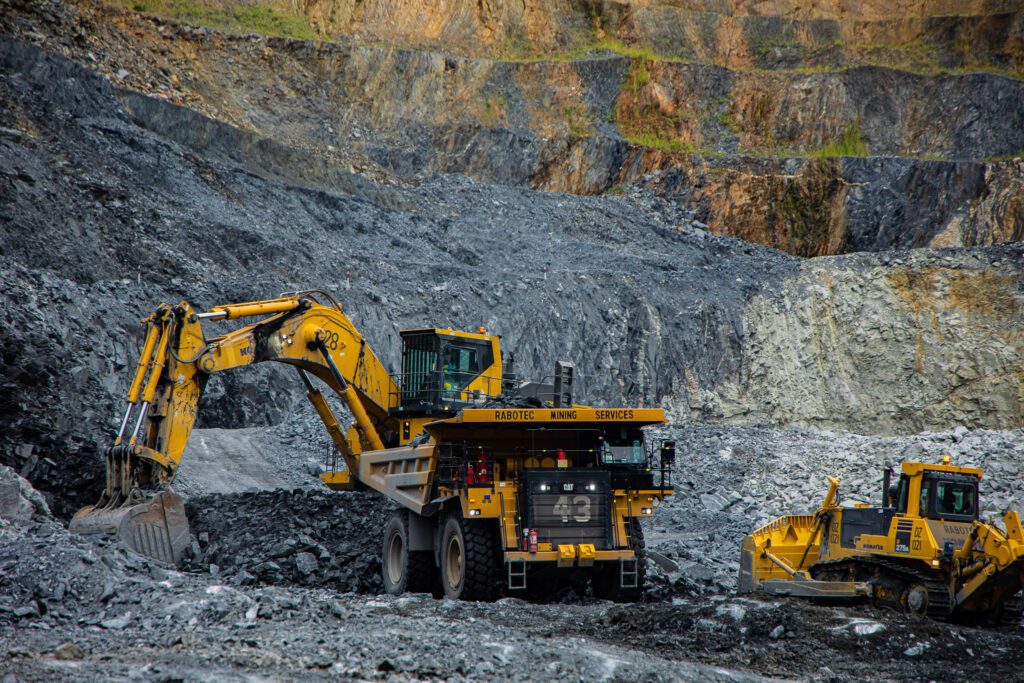
The economic potential of capturing even a moderate percentage of small-scale revenues is immense. If the sector’s vast output is brought into formal banking and regulatory channels, the resulting tax yields, export levies, and royalties could significantly enhance the national treasury.
Closing this leakage requires an institutional mechanism capable of regulating, purchasing, and monetizing artisanal gold production transparently while discouraging illegal trade networks.
Institutionalizing Formalisation Through GoldBod
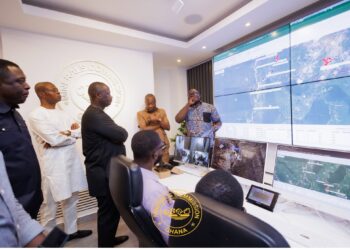
The formalization drive hinges on operational institutions like the Ghana Gold Board (GoldBod). Designed to streamline local gold trading, GoldBod serves as the regulatory anchor meant to convert informal extraction into structured economic output.
By establishing transparent purchasing pathways and enforceability at the local level, the entity provides a structured alternative to unregulated middlemen who historically diverted gold revenues outside the country’s official monetary framework.

Analyst Alfred Appiah stresses that monitoring institutions like GoldBod is essential because “the formalization of the small-scale mining sector must ultimately translate into more fiscal revenues to support national development.”
Ensuring that small-scale miners sell through formal, state-backed channels stabilizes foreign exchange reserves and strengthens the local currency.
Ultimately, uniting large-scale royalty redirects with comprehensive small-scale formalization offers Ghana its most sustainable pathway toward self-funded economic infrastructure.
READ ALSO: Manchester Derby VAR Officials Snubbed: Is Pro Ref Right to Drop Them?