Ghana’s growing reliance on natural gas to anchor electricity generation is facing a new test as a fresh disruption in international gas markets exposes the vulnerability of energy systems that depend on fuel supplies moving through geopolitically sensitive corridors.
International natural gas prices have surged sharply in recent weeks, with European and Asian markets facing tighter supply conditions following disruptions to liquefied natural gas (LNG) flows through the Strait of Hormuz.
The latest market stress has pushed some international gas transactions above $30 per million British thermal units (MMBtu), while the broader price environment has reached levels equivalent to crude oil at around $150 a barrel.
For Ghana, the immediate exposure to the Strait of Hormuz is limited compared with countries that depend directly on Gulf LNG cargoes.
But the economic lesson is much closer to home: gas may be cheaper and cleaner than liquid fuels for thermal power generation, but gas security itself requires infrastructure, domestic supply and strategic diversification.
That distinction is becoming increasingly important as Ghana expands its gas-to-power strategy while trying to reduce the frequency with which thermal generators have to turn to more expensive liquid fuels.
The current international market turmoil therefore gives Ghana another reason to accelerate investments in domestic gas processing, transportation and power-system flexibility rather than viewing natural gas simply as a replacement fuel.
Gas Is Central To Ghana’s Power System
Ghana’s electricity system remains heavily dependent on thermal generation, with natural gas playing a central role in supplying fuel to thermal power plants.
The country’s 2026 Energy Outlook continues to identify natural gas as the dominant fuel for electricity generation, reflecting the role of thermal plants in meeting both baseload and peak requirements.
Energy Commission
That dependence has created a powerful economic argument for strengthening Ghana’s domestic gas value chain.
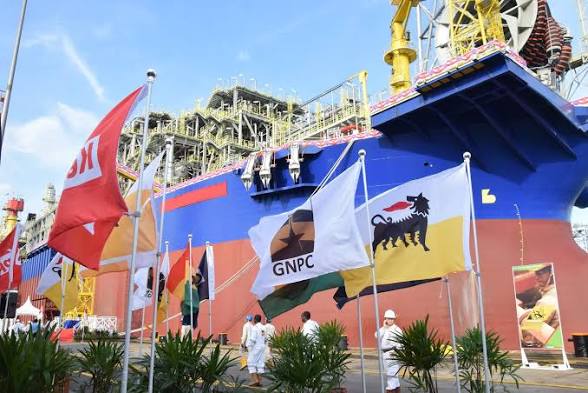
Where sufficient gas is available at competitive prices, thermal generators can avoid or reduce their dependence on liquid fuels such as light crude oil and other petroleum products.
That can lower generation costs, reduce foreign-exchange exposure and provide a more stable source of dispatchable electricity.
But the current global gas market demonstrates why the next phase of Ghana’s strategy cannot stop at simply having thermal plants capable of burning gas.
The country must ensure that gas is available where and when the power system requires it.
That means processing capacity at facilities such as the Atuabo Gas Processing Plant, additional capacity through the proposed second gas-processing plant, reliable pipeline infrastructure and sufficient upstream production to feed the system.
Without those components, Ghana risks having generation capacity without the fuel security needed to operate it efficiently.
The GPP2 Question Becomes More Strategic
This is where Ghana’s proposed second gas-processing plant takes on a significance beyond the construction of another piece of energy infrastructure.
GPP2 has been positioned as part of Ghana’s broader gas-to-power transformation, with the potential to expand the country’s ability to process domestic gas and make more of it available for electricity generation and industrial use.
The current global gas disruption reinforces the strategic rationale for such infrastructure.
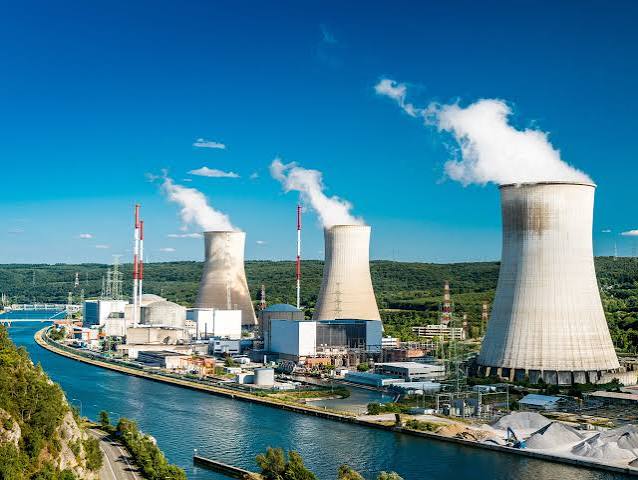
The issue is not simply that Ghana needs more gas.
It is that Ghana needs greater control over its gas supply chain.
A country that produces gas offshore but lacks sufficient processing and transportation infrastructure cannot fully translate that resource into energy security.
Gas may remain stranded, production may be constrained, or power generators may have to rely on alternative fuels when domestic supply becomes insufficient.
That is precisely the type of vulnerability Ghana’s gas infrastructure programme is intended to address.
From Fuel Substitution To Energy Security
The economic case for Ghana’s gas strategy has often been presented through the savings that can arise from replacing expensive liquid fuels with natural gas.
That remains important, particularly for a country seeking to reduce foreign-exchange pressures.
But the current global market adds another dimension.

The real objective should be to move from fuel substitution to energy-system resilience.
Replacing liquid fuel with gas is beneficial if the gas is reliable and competitively priced. But if gas supply itself becomes uncertain, Ghana needs other resources capable of supporting the grid.
That makes renewable energy and storage part of the same conversation.
Solar power, for example, can reduce daytime demand for thermal generation, while battery energy storage can shift some of that renewable electricity towards periods of higher demand.
Hydropower can also provide flexibility, although its contribution depends on hydrological conditions and reservoir management.
The resulting system would not eliminate gas.
Instead, it would allow Ghana to use gas more strategically.
Thermal plants could increasingly provide firm and flexible generation when renewable output is unavailable, rather than carrying such a dominant share of total electricity production.
Ghana’s Gas Advantage Needs To Be Developed
There is another reason Ghana should pay close attention to the international gas market.
The country has an advantage that many LNG-dependent economies do not possess: domestic offshore gas resources.
The challenge is turning that resource advantage into infrastructure and commercially viable supply.
That requires continued upstream investment, adequate processing capacity and a pipeline network capable of moving gas from production and processing facilities to power plants and industrial users.
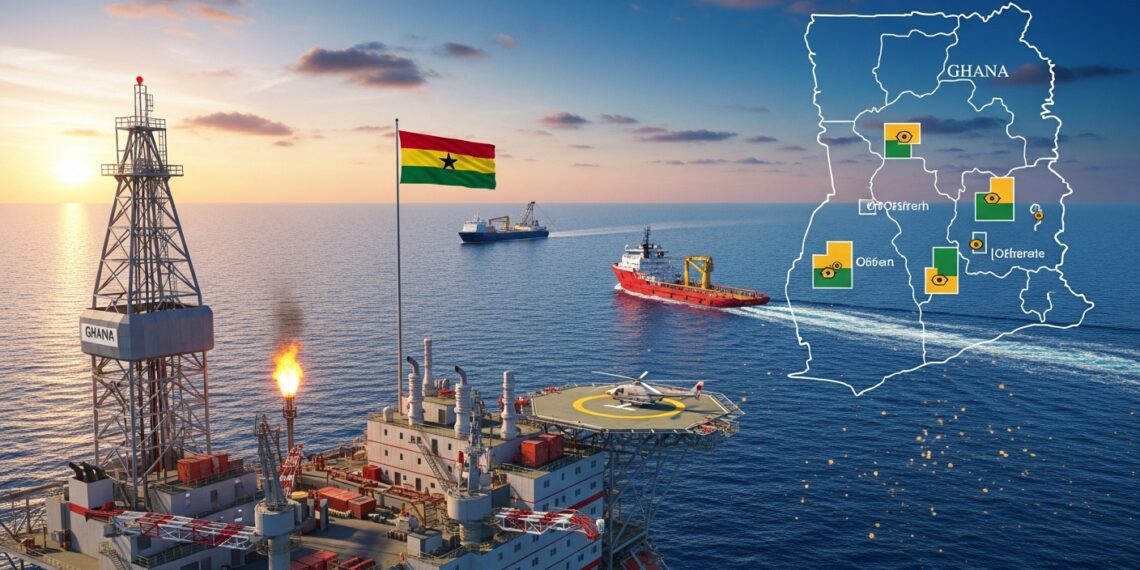
It also requires a regulatory and commercial framework that gives investors confidence that Ghana’s gas market will support long-term infrastructure investment.
The global LNG market is becoming increasingly interconnected. Today, supply disruptions in one region can affect buyers thousands of kilometres away through competition for alternative cargoes.
Ghana does not need to become completely insulated from the international gas market. That would neither be realistic nor necessarily efficient.
But it should reduce the extent to which global disruptions determine the cost and reliability of its electricity system.
The US LNG Expansion Adds Another Layer
The international gas market is also undergoing a major structural shift.
US LNG producers are expanding their position in the global market, while companies such as Chevron are seeking to expand LNG portfolios across several regions, including Africa. Chevron has said its global LNG supply capacity is expected to reach about 20 million tonnes annually in 2026.
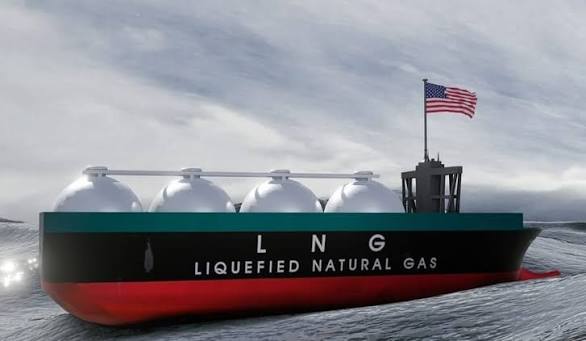
That expansion could eventually increase global supply and provide additional options for LNG buyers.
But Ghana’s strategic objective should not be to replace dependence on liquid petroleum imports with dependence on imported LNG.
The better approach is to use international gas markets as a complement to domestic resources, not as a substitute for building domestic energy infrastructure.
Reliability Will Define The Transition
Ghana’s energy transition is therefore entering a more sophisticated phase.
The question is no longer whether natural gas should play a role in the country’s electricity mix. It already does.
The more important question is how Ghana can use gas while simultaneously reducing its exposure to the very market and geopolitical risks that can undermine gas affordability.
That requires an integrated strategy.
Domestic gas production must be matched by processing capacity. Processing must be supported by pipelines. Gas-fired generation must be complemented by renewables and storage.
Transmission infrastructure must be capable of absorbing changing generation patterns. Distribution reforms must ensure that electricity revenues are recovered efficiently enough to sustain the entire chain.
In other words, Ghana’s gas strategy cannot be separated from its broader power-sector reforms.
The latest international gas shock is therefore less a reason for Ghana to abandon gas than a reason to become smarter about the role gas plays in its energy system.
Natural gas can provide the firm generation required to support industrialisation and economic growth. Renewable energy can reduce fuel dependence.
Battery storage can provide flexibility. Domestic processing can reduce exposure to imported fuels. Stronger transmission and distribution systems can ensure that available power reaches consumers efficiently.
The objective should be a system in which no single fuel or technology becomes an overwhelming source of vulnerability.
Ghana Must Build Beyond The Molecule
The international gas crisis offers Ghana a useful policy lesson.
Energy security is not created simply by possessing a natural resource. It is created by building the infrastructure, institutions, markets and technical capabilities required to transform that resource into reliable and affordable energy.
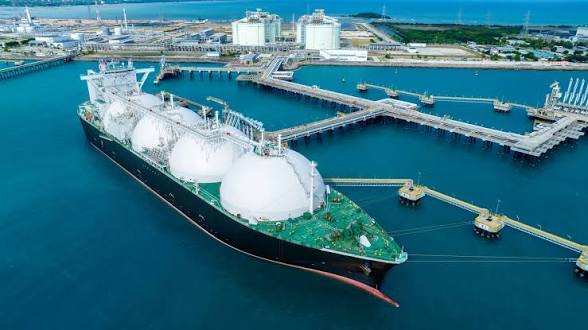
Ghana has already taken important steps towards strengthening its gas value chain. The next challenge is to connect those investments into a coherent system.
As global gas markets become more exposed to geopolitical disruption, Ghana’s strongest protection will not necessarily come from securing more international cargoes.
It will come from making better use of the resources and infrastructure it already has, expanding domestic processing and transportation capacity, accelerating renewable generation and storage, and ensuring that gas-fired generation remains a flexible pillar rather than the country’s only answer to rising electricity demand.
The current gas shock is therefore not merely an international market story.
For Ghana, it is a reminder that the real measure of an energy strategy is not whether a country has access to fuel on paper, but whether it can keep its economy powered when global energy markets become unpredictable.
READ ALSO: NASTAG Demands Overhaul of Ghana’s 12-Year-Old Seed Policy to Boost Local Production