The Citizens’ Platform on Constitutional Reform (CPCR) has asked the Government to reconsider its stance on 16 areas of the proposed amendments to the 1992 Constitution, including a plan to extend the presidential and parliamentary terms to five years.
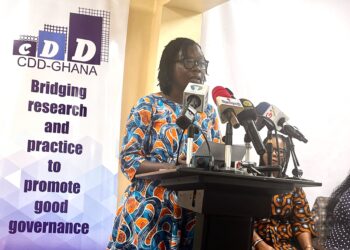
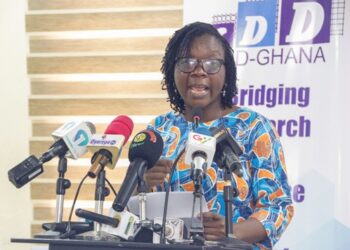
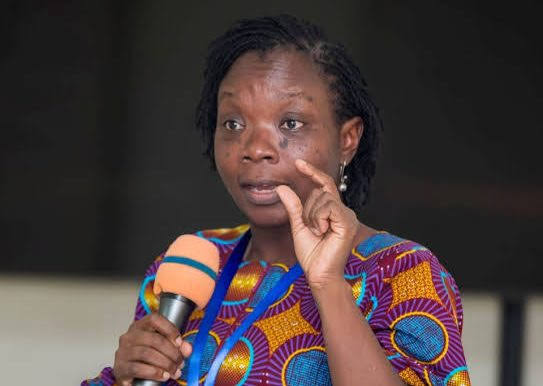
Chairperson of the CPCR Steering Committee, Professor Akosua Keseboa Darkwah, set out the objections on behalf of civil society organisations at a press conference in Accra on Tuesday, 15 September 2026.
Prof. Darkwah said the disputes touch the core questions that drew Ghanaians into the reform process, from the concentration of power in the presidency to the independence of institutions and the protection of public resources.
She explained that the Government has rejected some of the Constitution Review Committee’s recommendations, adopted weaker approaches on others and left key protections to ordinary legislation.
Presidential Term and Executive Power
The coalition wants the four-year term for the President and Parliament retained. Prof. Darkwah argued that accepted reforms on the election date, the transition period and the powers of an outgoing government already address the concerns behind the extension, and that four years will suffice if Government also accepts limits on presidential power.
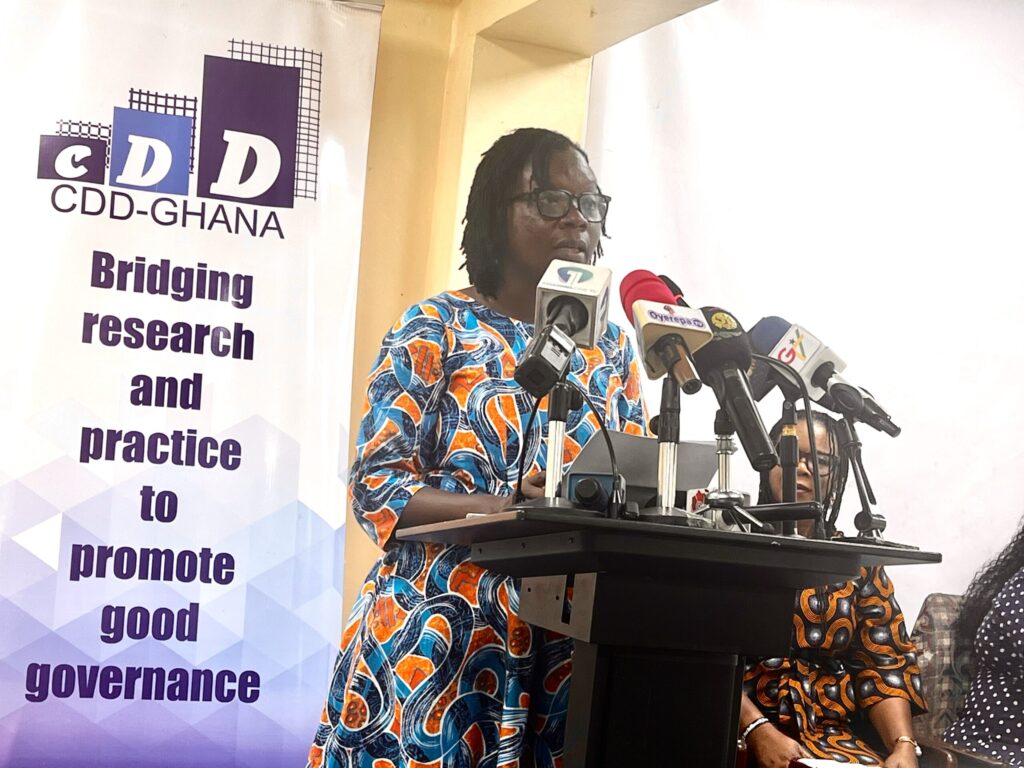
She rejected Government’s framework on presidential appointments, calling instead for independent and oversight institutions to be filled through transparent, competitive and merit-based processes.
The Platform also wants the Council of State reformed, with members’ tenure separated from the President’s and its advice on appointing and removing independent officeholders made binding.
Separating Parliament from the Executive
According to Prof. Darkwah, the CPCR opposes allowing MPs to keep serving as Ministers, Deputy Ministers or Regional Ministers. The coalition wants a clear separation between the two branches and a constitutional ban on MPs sitting on the boards, governing councils and procurement committees of publicly funded bodies.
She also rejected expanding Parliament to 300 seats through 24 proportional representation slots. The Platform wants the proposed study on proportional representation conducted now and used to design a meaningful system within the current ceiling of 276 MPs, and it is pushing for a constitutional duty on Parliament to consult citizens before passing important laws.
Local Governance and District Finances
On decentralisation, Prof. Darkwah opposed the Government’s refusal to make the proposed Devolution Commission an independent constitutional body, arguing that it is needed to coordinate fiscal and administrative decentralisation and prepare the country for local elections.
She also rejected subjecting MMDCE elections to presidential nomination and executive vetting. “We believe the elections must be open and unfiltered, so that every qualified citizen has a fair opportunity to contest,” she said.
The coalition opposes the Government’s guarantee that only 80 per cent of the District Assemblies Common Fund will go directly to the Assemblies, and wants the Fund raised from five to ten per cent of national revenue and transferred in full.
Prof. Darkwah called for an end to allocations from the Fund to MPs, arguing that the practice blurs the legislative role of lawmakers with the development duties of District Assemblies.
Anti-Corruption and Independent Institutions
The Platform rejects Government’s preference for a statutory Public Ethics Commission over the Committee’s proposed constitutional Anti-Corruption and Ethics Commission. Prof. Darkwah wants that independent body to absorb the Office of the Special Prosecutor and shield corruption prosecutions from politically influenced discontinuance.
She said the proposed Democracy Fund, together with the budgets of the Electoral Commission, the NCCE, CHRAJ and other democratic institutions, should be constitutionally ringfenced rather than left to annual executive discretion.
The coalition also opposes stripping the National Media Commission of its constitutional role over state-owned media, and it wants an independent mechanism within CHRAJ to investigate abuses by the security services.
Environment and Development Planning
The CPCR wants the Constitution to recognise the right to a clean, healthy and sustainable environment and to protect the free, prior and informed consent of affected communities.
It also seeks a long-term National Development Plan approved by Parliament, with budgets and bills required to show their alignment and parties required to submit their programmes to the National Development Planning Commission for certification.
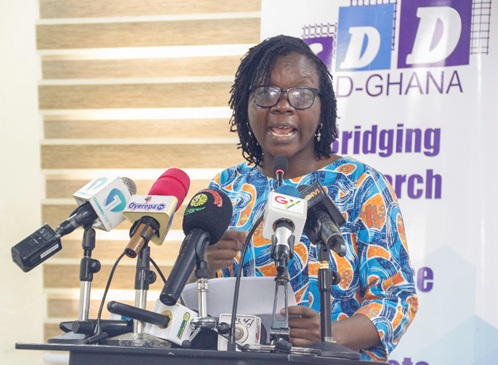
“These issues are fundamental to us as civil society organisations,” Prof. Darkwah said, urging Government not to treat its Position Paper as the final word. She admitted that Government may not agree on every point and called for open avenues of dialogue involving civil society, organised labour and political parties.
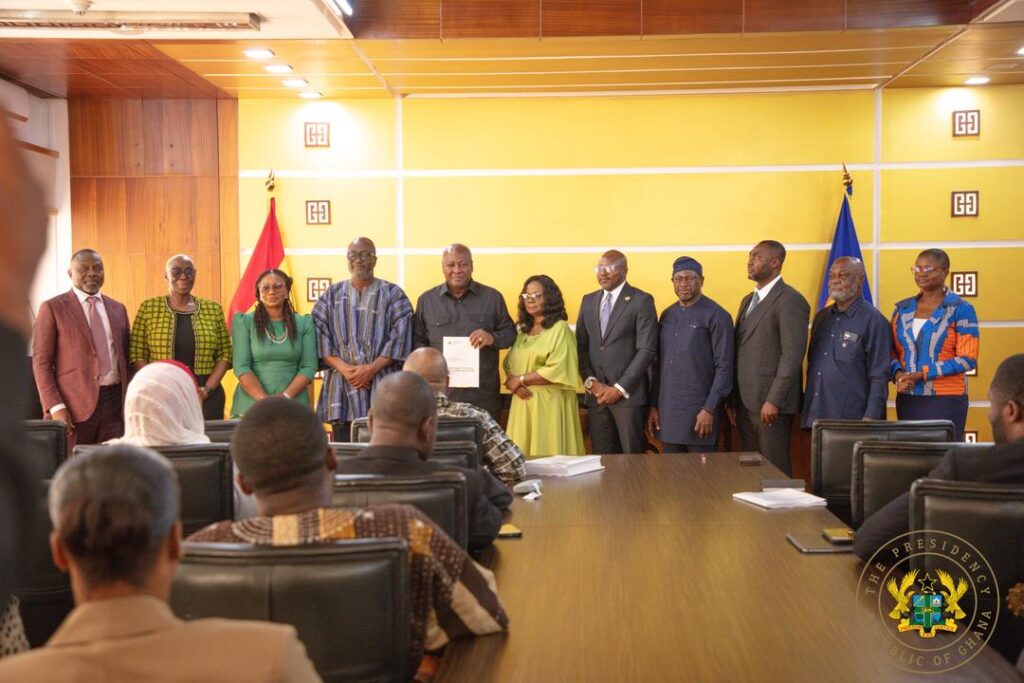
The Platform plans to meet the President, the leadership of the opposition and Parliament, and the Constitution Review Implementation Committee in the coming weeks to press its case.
READ ALSO: US Shifts Foreign Military Financing To Latin America