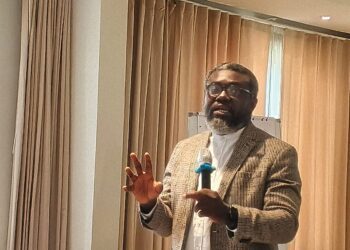
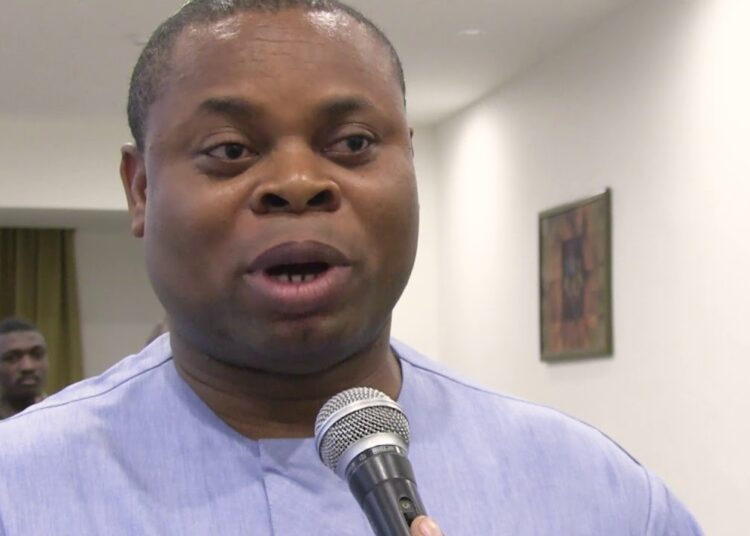
IMANI Centre for Policy and Education Founding President and Chief Executive Officer Franklin Cudjoe has called on President John Dramani Mahama to issue ultimatums to port officials to stop illicit drugs from entering Ghana.
In a recent post, the policy analyst warned that congestion and weak management at the Tema Port have made the country’s busiest maritime gateway an easy target for international drug cartels.
Mr Cudjoe tied his concerns to a series of arrests involving international drug cartels in Nigeria, Liberia and Sierra Leone, which he believes show that Latin American traffickers now treat West Africa as a safe and cooperative transit route.
He argued that the same inefficiencies that stall cargo clearance also create room for collusion, extortion, and smuggling, with importers, consumers, and the state all paying the price.
Latin American Cartels Turn to West African Ports
The IMANI boss said the recent arrests across the subregion point to a clear shift in the strategy of Latin American drug networks. According to him, these cartels have not only found willing partners in West Africa but have also stepped up their operations along the coast.

Mr Cudjoe pointed to the scale of drugs linked to Ghana’s ports as evidence of the danger. “It is scary that within a few months, a little over half a billion dollars’ worth of drugs made it through our ports and were usually intercepted abroad!” he wrote.
His concern rests on a troubling detail. The drugs slipped past local checks and only came to light after they left Ghanaian shores, which raises hard questions about screening and enforcement at home.
Congested Tema Port a National Security Risk
Mr Cudjoe described a congested and poorly managed port as fertile ground for clandestine activity. He warned that the threat goes beyond narcotics and extends to weapons and people who could harm the country.
“Arms and other dangerous people could easily penetrate Ghana, and we wouldn’t notice it,” he cautioned. The policy analyst made a direct appeal to the President to protect the country’s reputation.
“Mr. President, we do not want to be known as the cocaine coast,” he stated, urging the Presidency to hold port officials firmly accountable for keeping drugs out of the country.

His warning places port efficiency at the centre of national security. A port that cannot move cargo quickly also struggles to inspect it properly, and criminal networks thrive in that confusion.
Cargo Clearance Delays Breed Collusion and Extortion
Beyond the drug threat, Cudjoe turned his attention to the day-to-day state of operations at Ghana’s main port. “The Tema Port is now a huge mess!” he declared.
He said importers now face long and unpredictable waits to clear their goods. These delays, he argued, open the door to insider deals, collusion to manipulate the clearance process, and extortion of importers who simply want their cargo released.
Mr Cudjoe shared the frustration of one business owner who spoke to him about the situation. “We don’t have a problem paying people, but the lack of expediency to industry and no sense of the damage causing businesses and even to the government revenue,” the business owner said.
The remark suggests that the problem for many importers is not the cost of official charges but the slow pace of service and the apparent indifference to its effect on trade and state revenue.

Economic Cost of Port Inefficiency in Ghana
Mr Cudjoe explained that the damage from port delays spreads well beyond the harbour. Importers pass on the extra costs of waiting, including demurrage charges, to consumers through higher prices for imported goods.
This chain of costs, he noted, weakens the wider economy and hurts the government’s own revenue. It also damages Ghana’s standing among investors, as the country risks being ranked low as a difficult and frustrating place to do business.
For a country that relies heavily on imports and hopes to position itself as a trade hub for the subregion, the stakes are high. Every day a container sits uncleared adds to the burden on businesses and chips away at Ghana’s competitiveness against neighbouring ports.
Calls Grow for Tema Port Reforms
Mr Cudjoe’s intervention adds weight to long-running complaints from the business community about the pace of cargo clearance in Tema. His argument links two issues that often sit apart in public debate, namely drug trafficking and port efficiency, and presents them as symptoms of the same weakness in management.

The IMANI founder signalled that he is not done with the matter. He promised to write more on what he described as the organised mess at the Tema Port in a follow-up post.
His message to the Presidency is that fixing delays and tightening security at the port must go hand in hand. For Cudjoe, a faster and better-managed Tema Port would protect Ghana’s economy, its revenue and its reputation as a safe place to trade.
READ ALSO: UK Inflation Hits 3.1%