Teacher Training Association of Ghana (TTAG) has called on government to publish a clear and transparent framework governing the upcoming November teacher recruitment exercise, warning that opacity around how competing cohorts of trained teachers are prioritised risks deepening distrust and turning unemployed graduates against one another.
In a statement addressing the growing controversy surrounding teacher recruitment, TTAG argued that Ghana must look beyond headline recruitment numbers to understand the depth of frustration among trained but unemployed teachers, pointing to an April 2026 recruitment exercise for 7,000 teaching positions that attracted more than 40,000 applications.
According to TTAG, this mismatch between applications and available positions tells a powerful story about the state of Ghana’s teacher workforce planning.
The Association argued that the country does not suffer from a shortage of qualified young people willing to teach, but rather from a shortage of opportunities capable of absorbing those already trained.
“That number alone tells a powerful story, Ghana does not have a shortage of qualified young people willing to teach, Ghana has a shortage of opportunities capable of absorbing the young people the country has already trained,”
TTAG

The 2023 Cohort’s Unresolved Wait
TTAG devoted significant attention to the continued frustration of the 2023 teacher recruitment cohort, noting that members of this group have publicly mobilised and protested over unfulfilled recruitment promises, including an earlier ministerial announcement involving 6,100 teachers from that cohort who were urged to undergo verification processes.
The Association argued that as government now turns its attention toward recruiting the 2024 cohort, many within the 2023 cohort understandably feel sidelined, despite having waited through multiple rounds of announcements, verification exercises and shifting timelines.
“The queue is being rearranged before everyone already standing in it has been attended to,”
TTAG
Accountability For Policy Missteps
Addressing reports that the education minister had been misled regarding the status of a particular recruitment cohort, TTAG acknowledged that government officials, like anyone, can act on incomplete or inaccurate information.
However, the Association was firm in arguing that the consequences of such administrative errors should not be transferred onto young graduates who have already spent years waiting for employment.
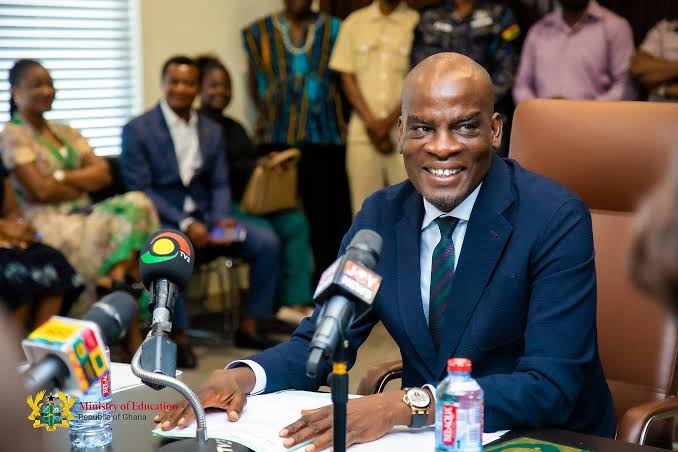
The Association stressed that a teacher who completed training in 2023 cannot retroactively adjust their graduation timeline to align with shifting recruitment priorities, framing the practical realities facing unemployed graduates, including rent, family responsibility and professional identity, as immediate concerns unaffected by administrative recalibration.
While sympathetic to the 2023 cohort’s grievances, TTAG was equally emphatic that the 2024 cohort bears no responsibility for the recruitment backlog and deserves fair consideration in its own right.
The Association warned against allowing the recruitment debate to devolve into competition between different graduation years, arguing that such division would represent a further injustice layered atop an already strained system.
Call For Data-Driven Workforce Planning
TTAG argued that recruitment policy must be treated as a matter of national human resource planning rather than a purely administrative or educational exercise.
The Association called on government to develop and publish detailed workforce data, including the number of teachers currently employed, anticipated retirements, annual attrition rates, subject-specific shortages, and the scale of unemployment across each graduation cohort.
Beyond addressing unemployment, TTAG stressed that recruitment policy must also ensure teachers are deployed where they are most needed, particularly within underserved rural communities that continue to struggle with teacher shortages despite oversubscription in urban centres.
The Association called for recruitment to be explicitly linked to a transparent national deployment strategy, prioritising subjects and districts facing the most acute shortages.
Four-Point Framework for Action
TTAG outlined specific recommendations for government moving forward, beginning with the full publication of the recruitment framework governing the November exercise, including clear rules, criteria and timelines communicated before applications open.

The Association further called for a transparent, verifiable breakdown of the remaining 2023 cohort’s status, and demanded clarity on the specific criteria guiding any decision to prioritise the 2024 cohort, whether based on graduation year, subject shortages, verified vacancies or geographical need.
In its concluding remarks, TTAG framed the current recruitment debate as extending far beyond any single cohort or minister, describing it instead as a broader test of what Ghana owes its young people after they have fulfilled every requirement asked of them, from education and training to National Service and professional licensing.
READ MORE: Ghana Receives Port Health Equipment Aid from Global Affairs Canada