
The Electricity Company of Ghana (ECG) is preparing to intensify its recovery of unpaid electricity bills, announcing a nationwide revenue mobilisation exercise that will target customers across residential, commercial, industrial and public-sector categories between November 9 and 27, 2026.
The 19-day exercise will place customers with outstanding balances under renewed pressure to settle their bills or risk disconnection, as the power distributor seeks to improve revenue collection and strengthen its financial position.
The campaign will extend beyond households and private businesses to include ministries, departments and agencies (MDAs), bringing public institutions within the scope of the recovery operation.
Dr Charles Nii Ayiku Ayiku, ECG’s General Manager for External Communications, announced the exercise on behalf of the company.
He urged customers with arrears to pay their outstanding bills before the exercise reaches their premises, warning that disconnection could attract additional reconnection fees.
The announcement highlights a persistent challenge in Ghana’s electricity distribution system: collecting enough revenue from electricity consumers to support the cost of supplying power and maintaining the distribution network.
For ECG, the mobilisation is an attempt to convert outstanding bills into cash. But its success will depend not only on the enforcement measures deployed by the company but also on customers’ ability to pay, the accuracy of billing records and the effectiveness of the utility’s collection systems.
Public Institutions And Businesses Included
Unlike campaigns that focus primarily on domestic consumers, ECG’s latest exercise covers all customer categories with arrears.
This means commercial and industrial users, whose electricity consumption can be significantly higher than that of many households, will also face collection action.
Ministries, departments and agencies are included, placing public institutions under the same recovery drive.
The inclusion of MDAs is particularly significant because payment discipline must apply across the entire customer base if ECG is to improve its collection performance.
A campaign that concentrates enforcement on households while leaving substantial public-sector or commercial arrears unresolved would offer only a partial solution.
The company has not provided a breakdown of the total arrears it intends to recover, the amount owed by each customer category or the revenue target for the November exercise.
Those figures would help establish the scale of the problem and allow the public to assess whether the campaign is delivering meaningful improvements.
ECG’s stated objective is to strengthen its financial position through improved revenue collection. Prompt payment, according to the company, supports its operations and electricity service delivery.
The underlying issue is straightforward: electricity distributed to customers must generate revenue that can be used to sustain the operations of the utility. When bills remain unpaid, the distributor faces a gap between the service it provides and the money it collects.
That gap can complicate its ability to meet financial obligations and maintain the infrastructure required to deliver electricity.
Disconnection Is The Immediate Enforcement Measure
ECG’s warning to customers is that unpaid bills could lead to disconnection, with additional charges required before supply is restored.
Customers with outstanding electricity bills should settle their arrears before the mobilisation teams reach their premises. Those disconnected for non-payment may also have to pay reconnection fees before electricity supply is restored.
The company is also deploying special teams to monitor the exercise and identify illegal connections, interference with the mobilisation operation and unauthorised reconnections after disconnection.
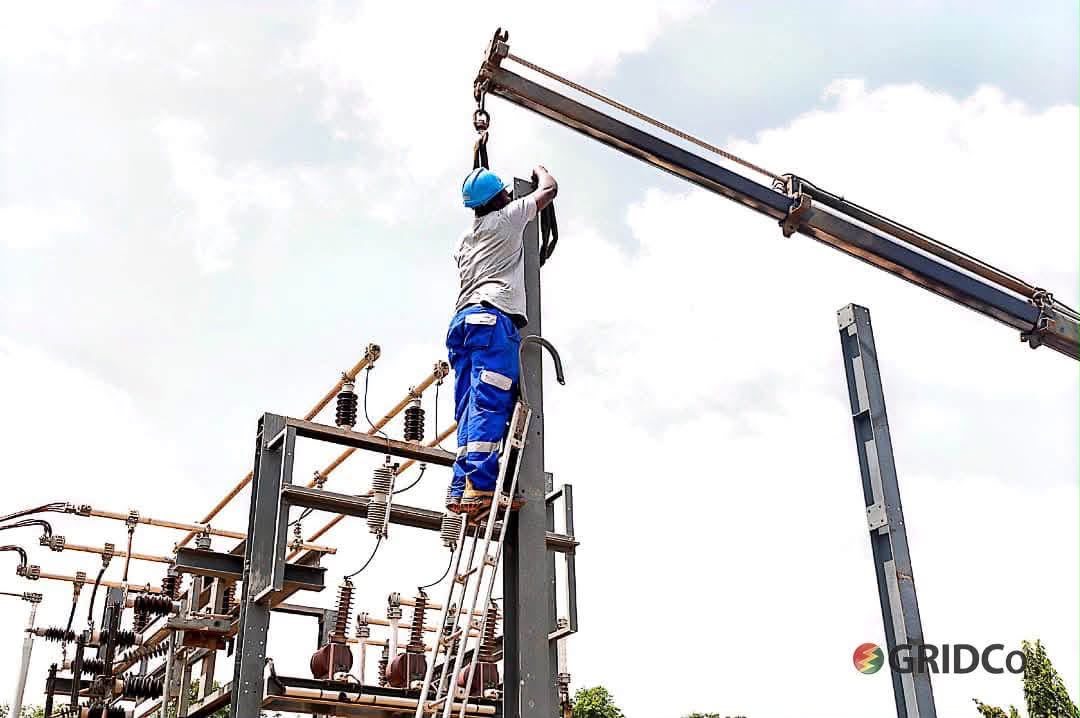
Dr Ayiku warned that customers found engaging in such activities could face arrest and prosecution.
The enforcement measures suggest ECG intends to protect the exercise from attempts to bypass its procedures. Unauthorised reconnections, in particular, could undermine the effectiveness of disconnection as a debt-recovery measure if customers restore supply without settling their outstanding obligations.
However, enforcement will need to be conducted transparently and consistently. Customers should be able to verify their outstanding balances, understand the basis for any disconnection and access the appropriate channels to resolve billing disputes.
The company has not indicated whether the exercise will include special arrangements for customers who dispute their bills or are experiencing difficulties accessing their account information.
That is an important consideration because aggressive collection without effective complaint resolution can deepen distrust between consumers and the utility.
ECG Directs Customers To Digital Payment Channels
To reduce payment difficulties, ECG is encouraging customers to use their usual payment channels, particularly the ECG Mobile App, which is available on the Google Play Store.
Customers who cannot access their bills have been advised to visit the nearest ECG office for assistance.
The company has also provided its Contact Centre number, 0302 611611, and directed customers to its social media platforms for additional support.
The emphasis on digital payment channels reflects the importance of making it easier for consumers to settle bills without necessarily visiting ECG offices. Accessible payment systems can improve convenience, reduce delays and support more efficient revenue collection.
But the availability of digital channels does not resolve every customer challenge. Some consumers may have difficulties accessing their accounts, identifying the correct amount owed or obtaining clarification where payments have not been reflected in their records.
For the November exercise to avoid unnecessary disputes, customers will need timely access to accurate billing information and responsive assistance from ECG.
The utility’s advice to customers who cannot access their bills is therefore an important part of the mobilisation announcement. Consumers should verify their balances through official channels rather than rely on assumptions about outstanding payments.
Revenue Recovery Must Support Better Service Delivery
ECG has appealed to customers with arrears to honour their payment obligations and cooperate with staff during the exercise, maintaining that their support will help improve electricity services.
The appeal reflects a broader relationship between revenue collection and service delivery. A financially stronger distributor is better positioned to meet operational commitments, but improved collections must also translate into visible improvements in the quality and reliability of electricity distribution.
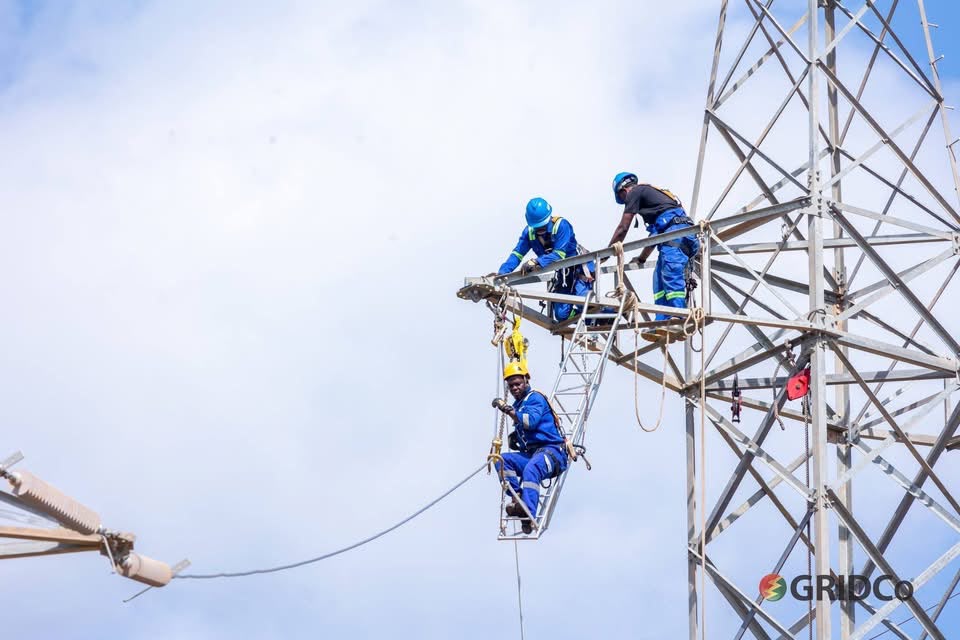
For consumers, the expectation is not simply that bills will be paid on time. They also want accurate metering, transparent billing, responsive customer service and timely attention to faults and other supply-related complaints.
The mobilisation exercise therefore creates obligations on both sides. Customers must settle legitimate bills, while ECG must ensure that its billing and enforcement procedures are fair, accurate and accessible.
The inclusion of residential, commercial, industrial and public-sector customers also means the company will need to apply its recovery measures consistently.
The credibility of the campaign will depend on whether outstanding obligations are pursued across the customer base rather than selectively.
ECG says it remains committed to providing reliable electricity services. Its November 9–27 exercise will provide an opportunity to recover unpaid revenue, but the longer-term challenge is to establish a payment culture that reduces the need for repeated enforcement campaigns.
Ultimately, the measure of success should extend beyond the number of customers disconnected or the amount collected during the 19 days.
It should include improved payment compliance, stronger financial performance and a more dependable relationship between the electricity distributor and the consumers it serves.
READ ALSO: IMANI Demands Independent Probe Into Beirut Cocaine Bust