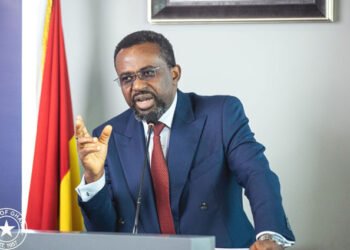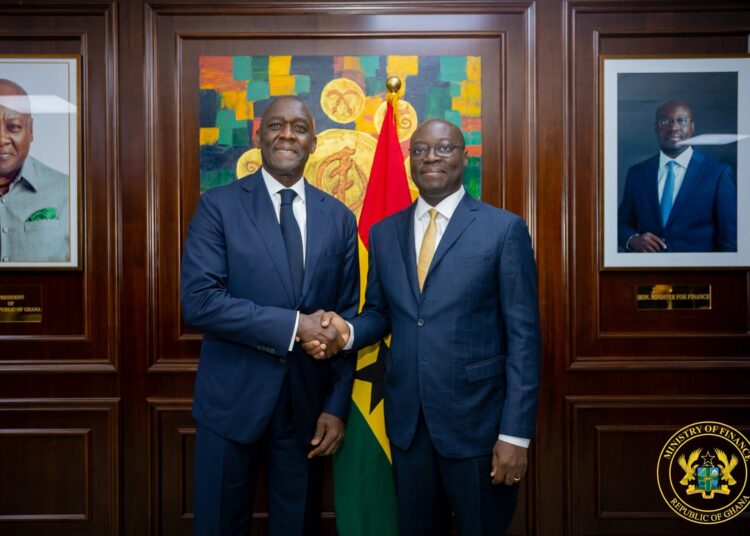
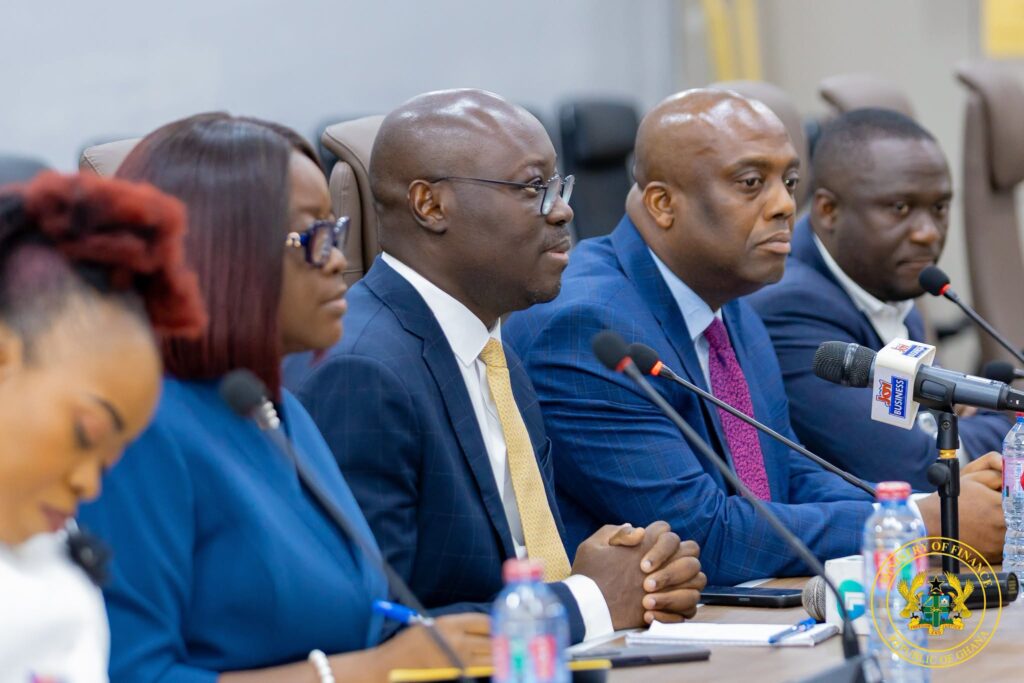
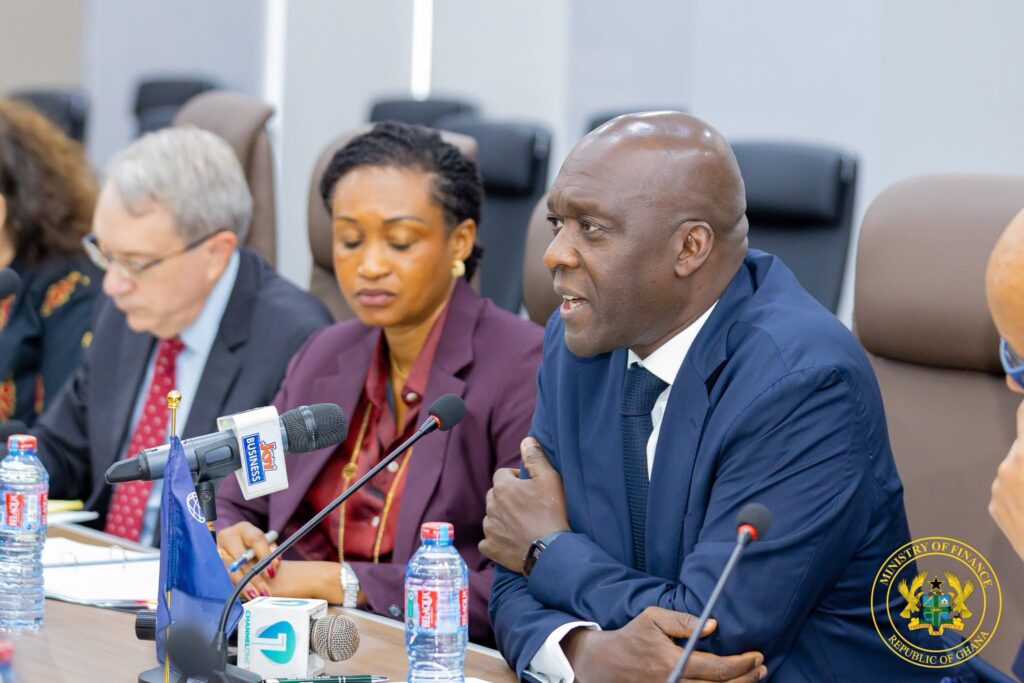
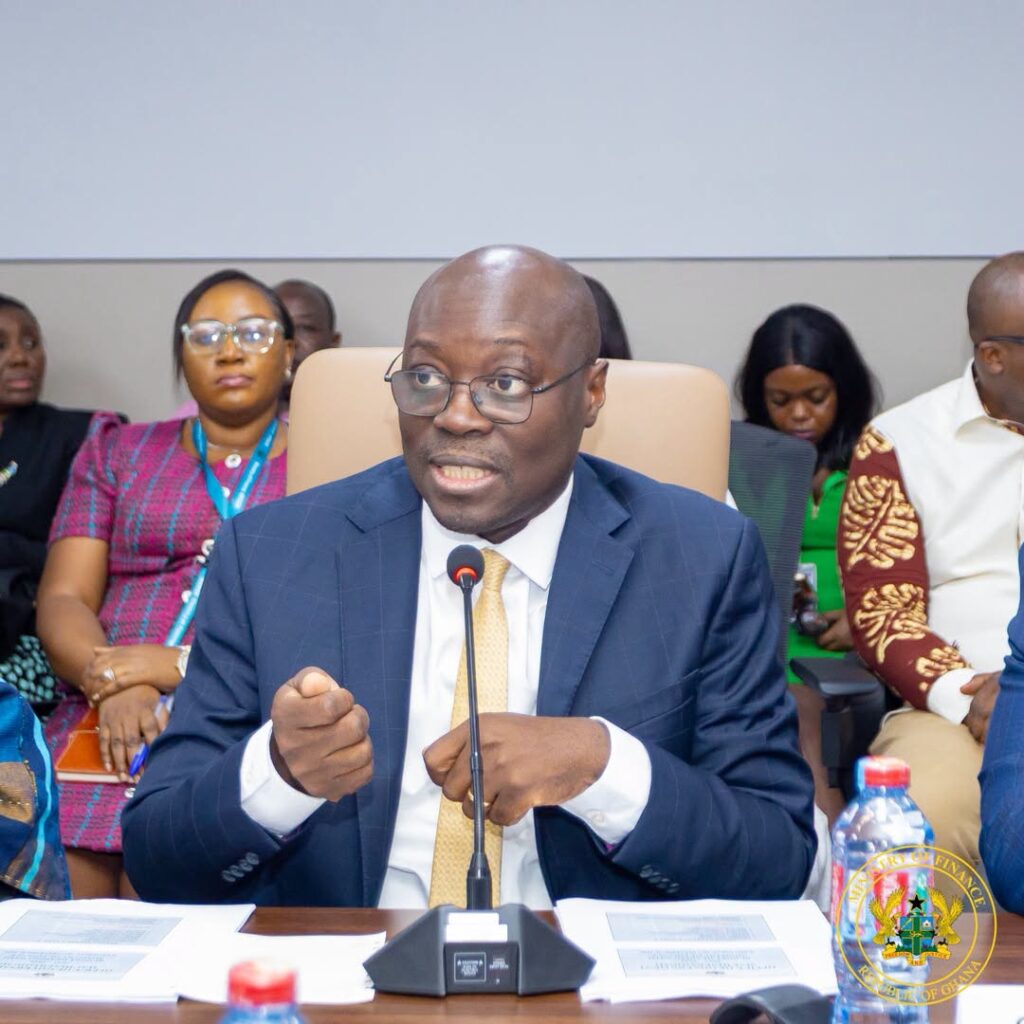
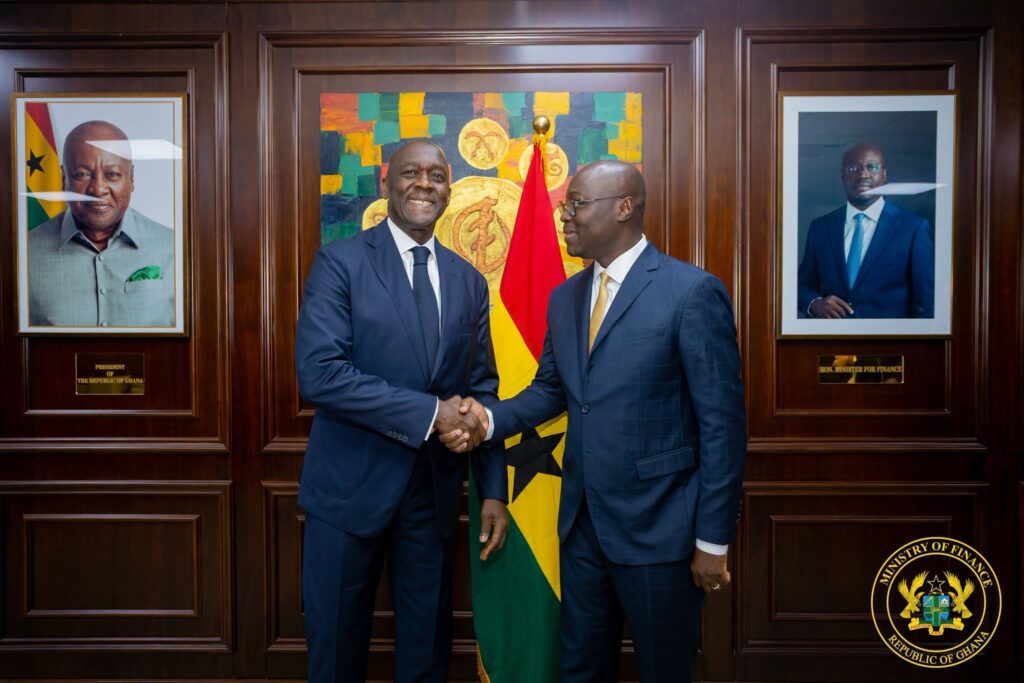
Ghana’s effort to turn improving macroeconomic conditions into a stronger private-investment cycle has gained fresh momentum after International Finance Corporation Managing Director Makhtar Diop met Finance Minister Dr Cassiel Ato Forson in Accra on September 16, 2026.
The Ministry of Finance said the talks focused on commercial agriculture, value addition and job creation, with sugar, cocoa processing, palm oil and poultry identified as priority areas for greater private-sector investment.
The meeting followed Diop’s disclosure that IFC has a Ghana portfolio of about US$500 million and a potential investment pipeline of roughly US$1.2 billion. Those figures describe different stages of IFC activity, and the distinction matters.
A pipeline is not money already committed or disbursed; it comprises prospective transactions that still have to pass through appraisal, financing and implementation. Diop said: “We have now a portfolio of 500 million dollars, and we have a pipeline of 1.2 billion. But we will do more.”
The investment push comes as Ghana’s economy is growing again but still faces questions about the breadth and employment content of the recovery. Real GDP expanded by 6.2% in the first half of 2026, but the breadth of that recovery remains an important test.
The next phase will depend increasingly on whether private capital raises productivity, expands tradable production and creates jobs without rebuilding the fiscal and external imbalances Ghana has spent several years correcting.
Pipeline Must Move From Prospects to Projects
IFC’s presence in Ghana has already expanded sharply. Ahead of Diop’s visit, the corporation said commitments through its own account and mobilisation reached US$670 million in fiscal year 2026, compared with US$61 million in fiscal year 2021, underscoring a marked expansion in its Ghana engagement.
The US$670 million figure is an annual commitment measure, however, and should not be added to either the current portfolio or the prospective US$1.2 billion pipeline as though they were separate pools of immediately available capital.
The economic value of the pipeline will depend less on its headline size than on conversion. Investment that adds machinery, storage, processing capacity, reliable power or logistics can expand the amount Ghana is able to produce and lower bottlenecks facing firms.
Projects that remain at announcement or appraisal stage, by contrast, do not yet generate output, exports or employment. Financial close, disbursement and implementation are therefore the milestones that matter.
Ghana Targets Production and Value Addition
The sectors highlighted during the meeting point to a deliberate production strategy. Sugar, poultry and palm oil are linked to large domestic markets, while cocoa processing offers scope to retain more value from a commodity Ghana has traditionally exported in less processed form.
Dr Forson (Minister of Finance) also reiterated Ghana’s ambition to become a pharmaceutical hub for West Africa, extending the investment discussion beyond agriculture into manufacturing and health-related industry.
Diop framed greater local production as a resilience strategy rather than an argument for shutting out trade. He said more products “that were imported and can be produced in the continent at a competitive cost” should increasingly be produced locally.
The economic qualification is crucial: import substitution is most durable when domestic firms can compete on cost and quality, not when they depend indefinitely on protection from foreign competition.
Local Firms and Jobs Must Share the Gains
Foreign capital can bring technology, long-term finance and access to markets, but the development payoff becomes larger when Ghanaian firms are integrated into the resulting supply chains.
Diop also pointed to IFC’s Local Champion initiative, which seeks to help African-owned businesses scale across regional markets. For Ghana, that raises an important test: whether new investment strengthens domestic suppliers and processors rather than creating isolated projects with limited local linkages.
Employment is the other test. Processing plants, commercial farms, energy projects and pharmaceutical facilities can create direct jobs, but their wider contribution comes through transport, maintenance, packaging, professional services and demand for local inputs. That transmission from investment to supplier networks and household incomes is what can turn headline GDP growth into a recovery that is felt more broadly.
Execution Will Decide the Economic Payoff
The opportunity is substantial, but capital will still respond to the conditions surrounding each project. Reliable electricity, efficient logistics, access to serviced land, predictable regulation, skilled labour and confidence in contracts all influence whether investors commit for ten or twenty years.
Macroeconomic stability improves that environment, but it does not substitute for the sector-level reforms needed to make projects commercially viable. What follows Diop’s visit will therefore matter more than the size of the announced pipeline alone.
The indicators to watch are which projects reach financial close, how much capital is ultimately disbursed, how deeply Ghanaian firms participate and whether the investments expand exports, competitively replace imports, and generate sustainable employment.
If those outcomes materialise, IFC’s deeper engagement could help convert Ghana’s recovery from a period of stabilisation into a more durable cycle of productive investment.
READ ALSO: Gov’t Positions Economic Zones as Drivers of Jobs and Exports