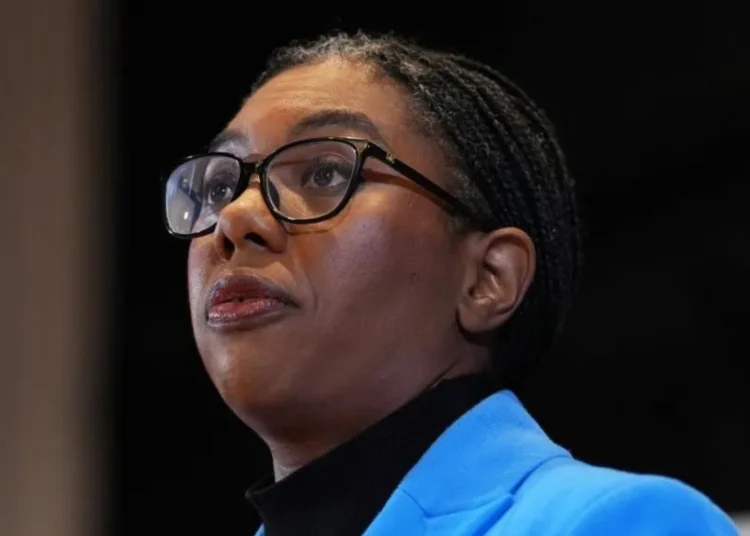
Conservative Party leader Kemi Badenoch has threatened legal action against the government over proposed changes to local authority funding, after Wandsworth Council announced plans for a record council tax increase.
Badenoch described the proposed 94% rise in council tax in the south-west London borough as “outrageous.”
According to the Conservative leader, her party has “instructed lawyers” to examine whether an £84 million annual reduction in government funding allocated to Wandsworth can be challenged or blocked.
Wandsworth has historically maintained one of the lowest council tax rates among local authorities in the country. An average Band D property currently pays slightly more than £1,000 in council tax, significantly below the £2,000-plus bills faced by residents in an increasing number of London boroughs.
Under the proposed changes, however, an average Band D household could face an additional £958 a year. The increase would consist of two components, with half determined by Wandsworth Council and the other half set by the Mayor of London.
The proposal, announced during a council meeting earlier, has generated significant criticism and is not yet final. A final decision on the increase is expected to be made early next year.
The scale of the proposed rise has brought renewed attention to the financial relationship between central government and local authorities, particularly as councils face changes to the formula used to distribute funding across England.
Under changes announced last year, government funding is due to be redistributed between council areas according to revised assessments of need. Wandsworth Council has argued that the changes will leave it with £84 million less in annual funding by the end of the next three years.
The Conservative Party has seized on the proposed council tax increase as evidence of the potential consequences of the government’s approach to local government finance.
According to Badenoch, the issue is therefore not simply about the level of council tax in one London borough but about whether councils facing substantial reductions in central government support should be required to compensate through higher charges on residents.
Badenoch added that the Conservatives were examining whether the £84 million annual funding reduction could be stopped, although she did not indicate that a legal challenge had already been formally launched.
Funding Reform Fuels Political Dispute
The dispute over Wandsworth’s council tax increase highlights a broader disagreement over how public money should be distributed between local authorities with different levels of need.
The government’s position is that the existing funding system does not adequately direct resources towards areas facing the greatest pressures. It has therefore argued that reform is necessary to redistribute money between councils while protecting authorities during the transition.
A spokesperson for the Ministry of Housing, Communities and Local Government indicated that “local authorities decide the level of council tax they wish to set, but we are clear that in doing so they should put taxpayers first.”
“We’re fixing an outdated funding system so funding goes where need is greatest, while protecting councils through the transition and ensuring no area faces a cliff edge.”
The government’s argument places responsibility for the final council tax decision with the local authority while presenting the funding changes as an attempt to address wider disparities in how councils receive financial support.
Meanwhile, the borough has historically benefited from comparatively low council tax bills, meaning residents have paid substantially less than households in many other London areas.
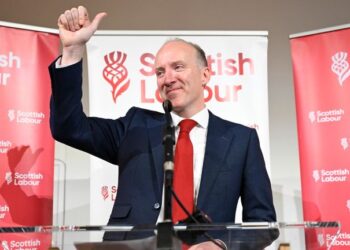
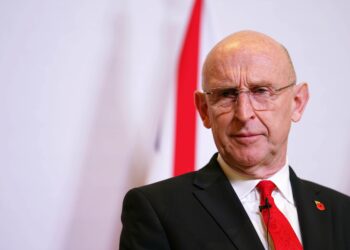
Three Labour MPs have claimed that Wandsworth was in a strong financial position before the Conservatives took control following the local elections earlier this year. Their argument places some responsibility for the borough’s current financial position on the Conservative administration, rather than solely on changes to central government funding.
The dispute demonstrates how difficult it can be to distinguish between the consequences of national funding allocations and the financial decisions taken by local authorities.
The Conservative Party has used the proposed 94% increase to challenge the government’s redistribution plans and highlight concerns about reduced funding’s effect on residents.
Labour, by contrast, has focused attention on Wandsworth’s financial management under Conservative administration, arguing that councils retain responsibility for their budgets and council tax decisions.
The government has sought to maintain that distinction, pointing out that councils ultimately determine their own council tax charges.
Nevertheless, the scale of the proposed increase has broadened the dispute beyond the technical mechanics of the funding formula.
READ ALSO: Former Kotoko Winger Amidu Acquah Joins CSM Unirea Alba in Romania