Ghana’s Foreign Affairs Minister Samuel Okudzeto Ablakwa says President John Dramani Mahama’s address to the United Nations General Assembly continues to resonate across the international community.
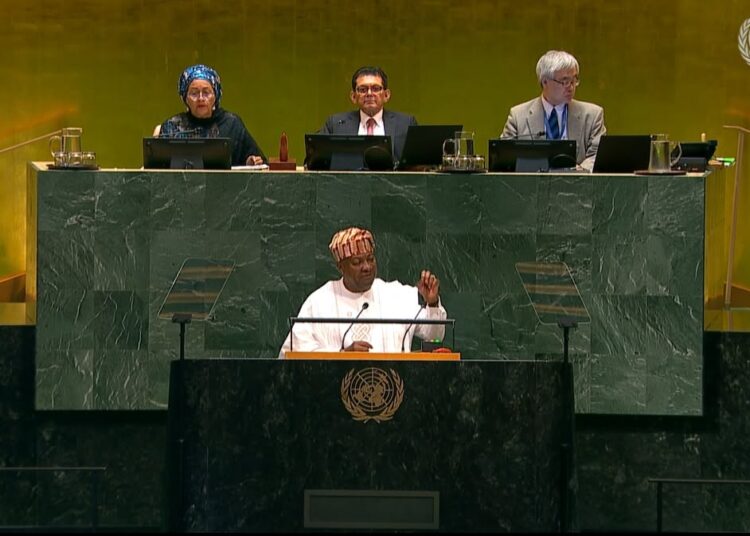
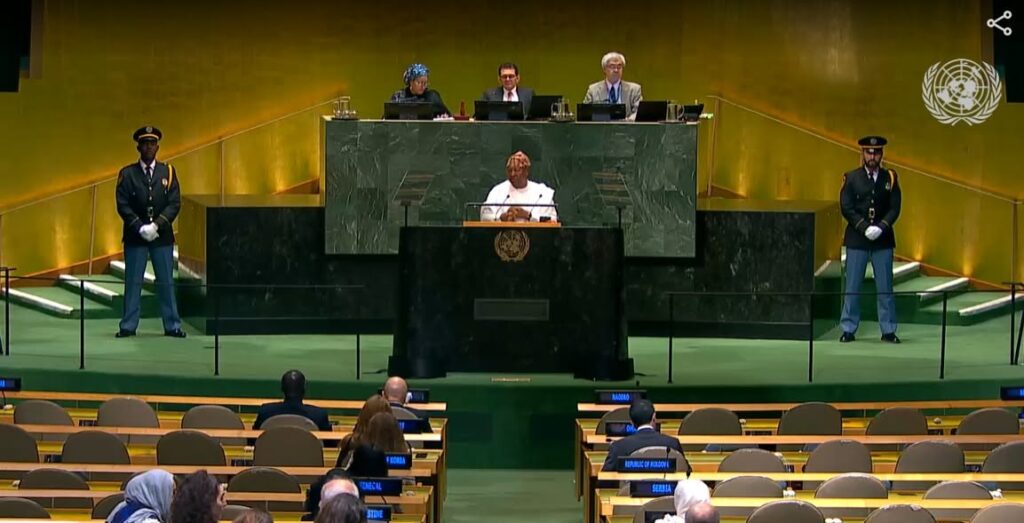
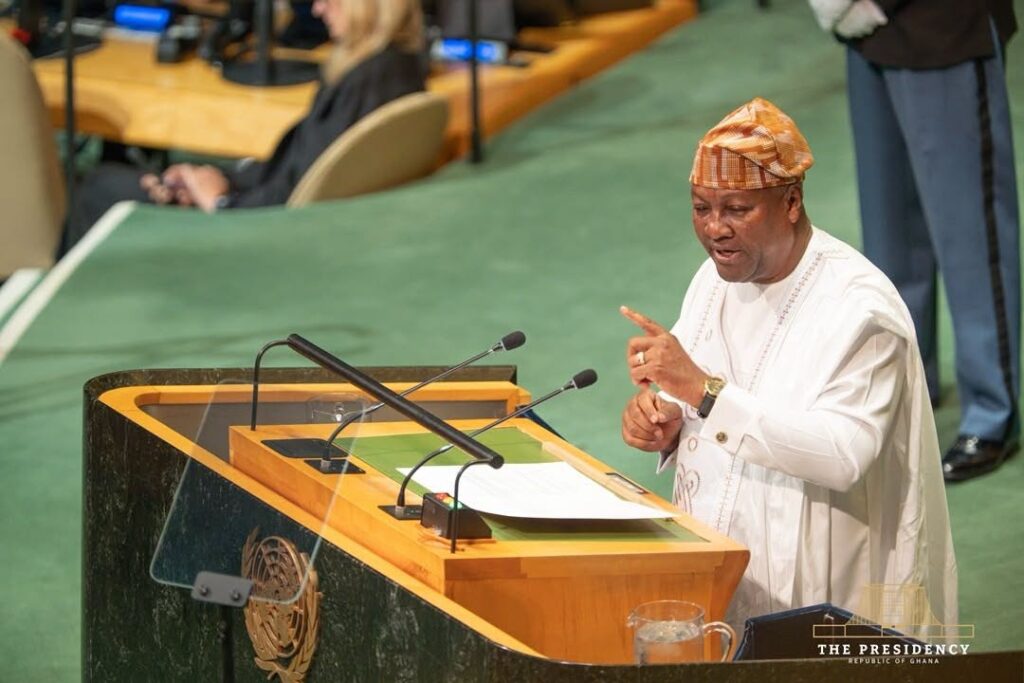
He made the assessment in a statement following the President’s national statement, delivered on Thursday, 24 September 2026, at the General Debate of the 81st Session in New York.
The Minister paired that verdict with a commitment about how Ghana intends to conduct itself, pledging that the country will keep working with states that share its values towards a world built on freedom, justice, equity, dignity, inclusivity and equal opportunity. His framing borrows directly from the language the President used at the podium.
Echoing The Anthem
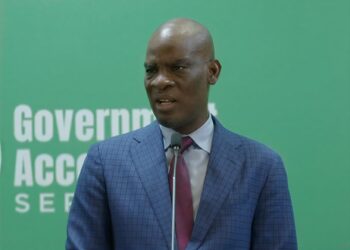
Hon. Ablakwa described the address as iconic, brilliant and bold, saying it “continues to resonate with all progressive people of the international community seeking to create a better world and a common humanity where we all feel a proud sense of belonging.”
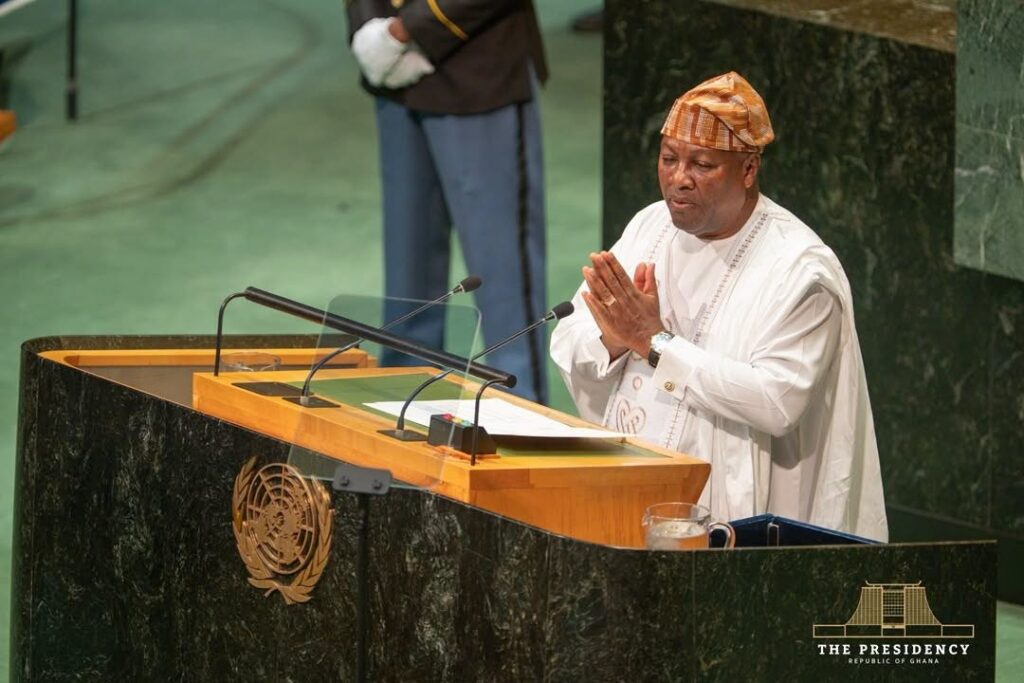
The phrase he chose for Ghana’s own conduct is not incidental. “Ghana will continue to play its role with fearless honesty as we work with those with shared values and aligned aspirations to create this new world founded on freedom, justice, equity, dignity, inclusivity and equal opportunities,” he said.
Fearless honesty comes from Ghana’s national anthem, which petitions God to fill hearts with true humility and make the nation cherish it. President Mahama invoked that line twice in his address, at the opening as the inspiration for speaking plainly and again in his closing appeal, and his Foreign Minister has now adopted it as a description of Ghanaian diplomacy.
Belonging As The Organising Idea
The sense of belonging Hon Ablakwa refers to was the spine of the President’s address. President Mahama opened by setting aside his title to introduce himself through his parents, his birthplace in Damongo and the languages he grew up speaking, then argued that everyone in the chamber carries a similar inheritance.
He warned that belonging turns dangerous when politicians weaponise it, producing nativism, chauvinism and xenophobia, before listing those he said the world too often excludes: refugees, migrants, children in Gaza, Sudan and Ukraine, descendants of enslaved Africans, indigenous communities and small island states facing rising seas.
What The Address Demanded
The warmth of the reception should not obscure how pointed the speech was. President Mahama demanded permanent African representation on the Security Council with full rights, telling the Assembly that a continent of 1.5 billion people and its largest voting bloc cannot remain excluded.
He attacked the international financial architecture, arguing that developing nations borrow at rates up to eight times higher than industrialised countries. He drew a line on resources, insisting Africa will process its minerals at home rather than remain a passive arena for a new scramble.
He pressed the Assembly to abandon diplomatic euphemism over Gaza, and he turned the slave trade resolution Ghana carried in March into demands on trade, debt and credit ratings. He also served notice of Ghana’s priorities for the African Union chairmanship it assumes in January.
A Week Of Ghanaian Diplomacy
Hon Ablakwa’s assessment closes a week in which he was directly involved in much of the activity around the address. He signed an Air Services Agreement with Trinidad and Tobago’s Foreign and CARICOM Affairs Minister Sean Sobers, witnessed by the two leaders.
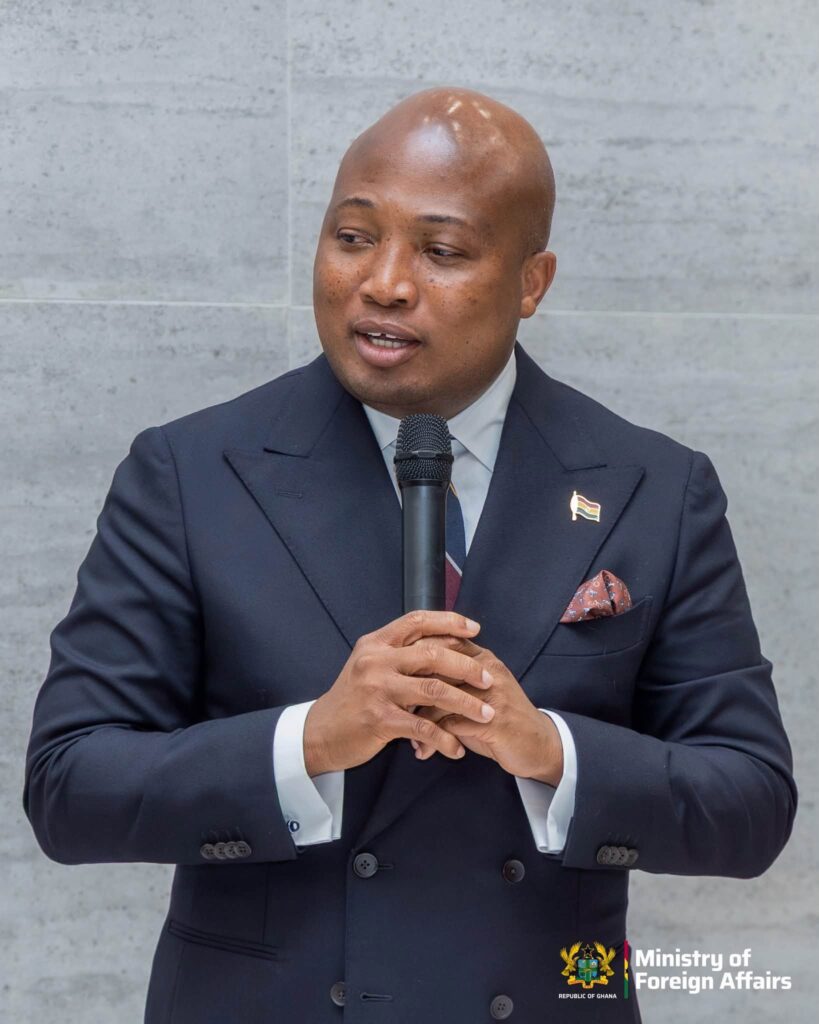
He also spoke at the “Next Steps” side event on reparatory justice, co-hosted with Germany and France, where he disclosed that the United States had formally notified Ghana of its willingness to cooperate despite voting against the March resolution, and that nearly every European country that abstained has since approached Accra.
The Minister chaired the high-level committee of experts that submitted Ghana’s African Union chairmanship strategy to the President in August, which places him at the centre of both the agenda announced in New York and the machinery meant to carry it.
Shared Values And Aligned Aspirations
The Minister’s chosen formulation is worth reading closely. Working with those of shared values and aligned aspirations describes coalition-building rather than universal appeal, which matches the arithmetic Ghana has been operating with.
The March resolution passed with 123 votes, three against and 52 abstentions. That is a substantial majority and a substantial holdout, and the countries abstaining included most of the states whose cooperation the reparations and financial reform agendas ultimately require.
Resonance is the easiest thing to claim after a General Assembly speech and the hardest to measure. What can be measured is whether the demands survive contact with the institutions they were aimed at, and Ghana will have a platform to press them from January, when the African Union chairmanship gives President Mahama a continental mandate rather than a national one.
READ ALSO: BBC Shares First Look at ‘Open Water’ with Jimoh and Gift