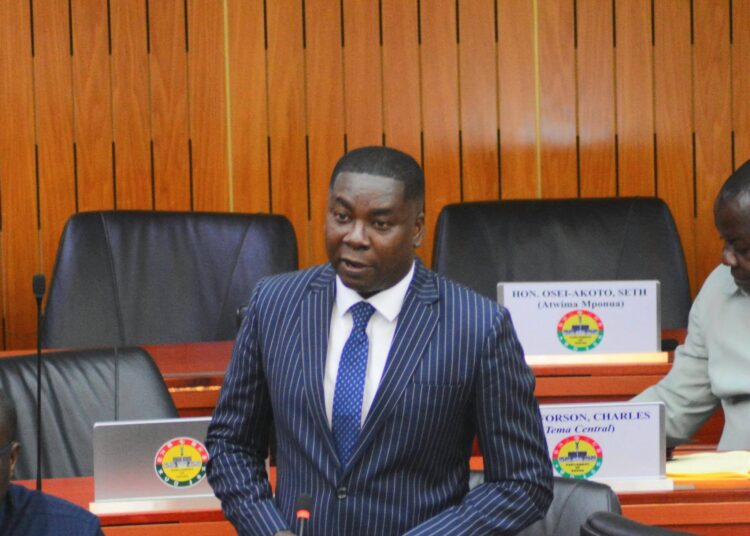
Hon. Dr. Gideon Boako, Member of Parliament for Tano North and a financial expert, has raised critical concerns regarding the structural weaknesses in Ghana’s external sector following recent operational changes in domestic gold purchasing policy.
Dr. Boako highlighted that despite significant macroeconomic recovery observed in 2025, the country’s external reserves and exchange rate stability remain highly vulnerable to fluctuations in gold-derived foreign currency flows.
Bank of Ghana data indicates that by September 2026, the cedi experienced a 9.5 percent real bilateral depreciation against the US dollar, while gross international reserves fell sharply from 5.7 months of import cover to 4.2 months by August, representing a substantial loss of $3.09 billion.
“Can Ghana’s new gold-to-FX model generate foreign exchange reliably enough to support the cedi and build reserves without recreating the financial risks of the old system?. The central bank should not indefinitely carry the financial risks of what was essentially a quasi-fiscal commercial activity.”
Hon. Dr. Gideon Boako

Evaluating the Impact of the Bawumia Doctrine
The Domestic Gold Purchase Programme (DGPP), often designated as the “Bawumia Doctrine,” was instituted in response to the severe economic pressures of 2022 to leverage local mineral wealth for foreign currency generation.
Under the original framework, the central bank directly purchased gold from domestic small-scale miners using local currency, subsequently exporting or holding the precious metal to build international reserves and stabilize the cedi.
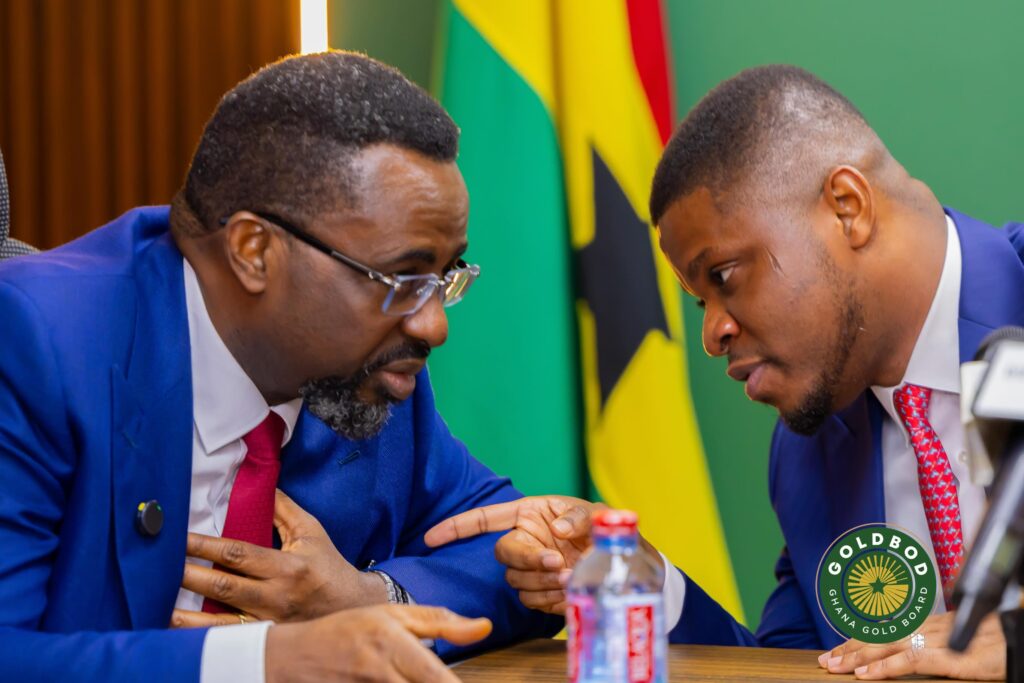
According to assessments by the International Monetary Fund (IMF), this central bank-led mechanism successfully facilitated the export of approximately $10.9 billion in artisanal gold during 2025 alone, representing roughly 9.5 percent of Ghana’s Gross Domestic Product.
While this massive inflow contributed significantly to immediate macroeconomic stabilization and reserve accumulation, the direct involvement of the central bank created unintended balance sheet strains.
The IMF estimated that the DGPP generated quasi-fiscal losses reaching GH¢22 billion, equivalent to 1.5 percent of GDP in 2025, emphasizing the unsustainable nature of direct central bank intervention in commercial gold trading operations.
Transitioning to GoldBod and Institutional Restructuring
To address these expanding financial exposures, Ghana executed a major policy pivot in July 2026 by transferring operational control of the domestic gold purchasing architecture from the central bank to GoldBod.
Under this restructured framework, the Bank of Ghana formally exited the quasi-fiscal financing of gold acquisitions, shifting the funding burden onto commercial banking institutions and private off-takers.
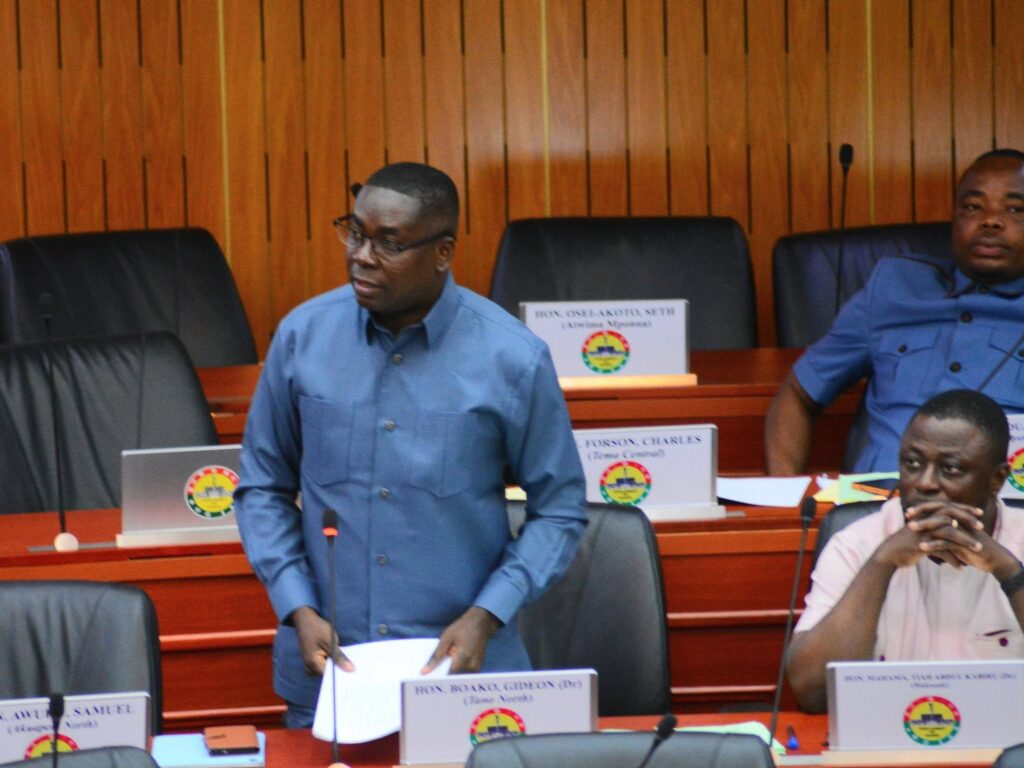
This institutional decoupling aims to insulate monetary policy implementation from commercial trading risks, creating a clearer boundary between central bank operations and market-driven mineral procurement.
The IMF noted that removing the central bank’s exposure to incremental quasi-fiscal liabilities was necessary to secure long-term monetary stability.
However, Dr. Boako’s assessment underscores that this shift introduces a new structural bottleneck centered on the financing capacity of private financial institutions and commercial off-takers during market volatility.
Assessing Financing Capacity and Exchange Rate Pressures
The sudden transition in purchasing responsibility comes at a challenging juncture for Ghana’s foreign exchange market, as central bank market interventions exceeding $12 billion have failed to halt the cedi’s recent downward trajectory.
Without the central bank’s balance sheet backing domestic purchases, private market participants face tight liquidity constraints when attempting to absorb local gold output at scale.

This capacity shortfall threatens the continuous flow of gold-backed foreign exchange into the economy, directly affecting the country’s import cover and balance of payments support.
The ongoing depletion of international reserves highlights how deeply dependent the national economy remains on continuous gold monetization.
As Dr. Boako noted, navigating this transitional phase requires robust risk management and capital assurances to ensure that GoldBod’s commercial framework can deliver steady foreign exchange liquidity without re-exposing the state to fiscal vulnerabilities.
READ ALSO: Black Sherif Wins Male Artist of Year at Ghana Awards