Ghana Grid Company Limited (GRIDCo) is advancing two transmission infrastructure projects in Kumasi aimed at strengthening the electricity grid and improving power delivery to the Ashanti regional capital and surrounding communities.
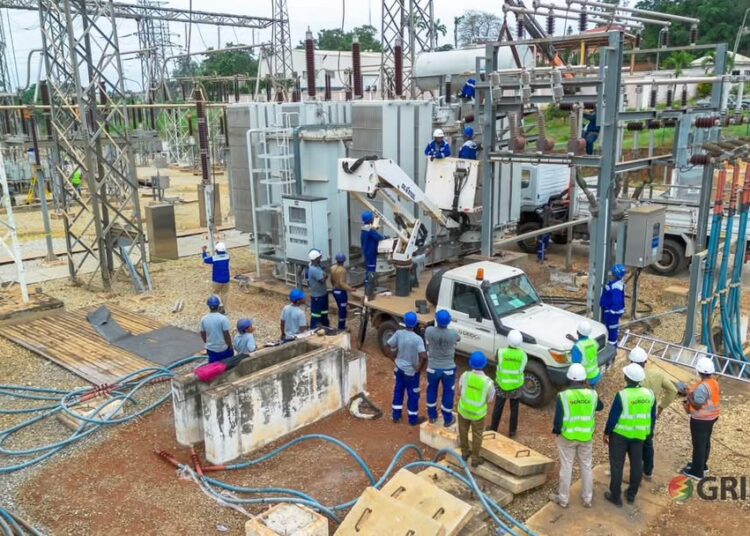
The projects, comprising transformer upgrade works at the Kumasi Substation at Nhyiaeso and the upgrade of the Ahodwo-Anwomaso 161kV transmission line, are part of ongoing efforts to reinforce critical components of Ghana’s transmission network.
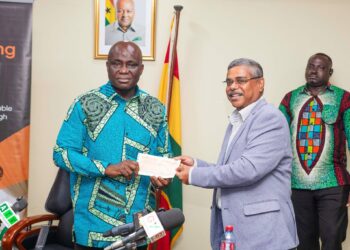
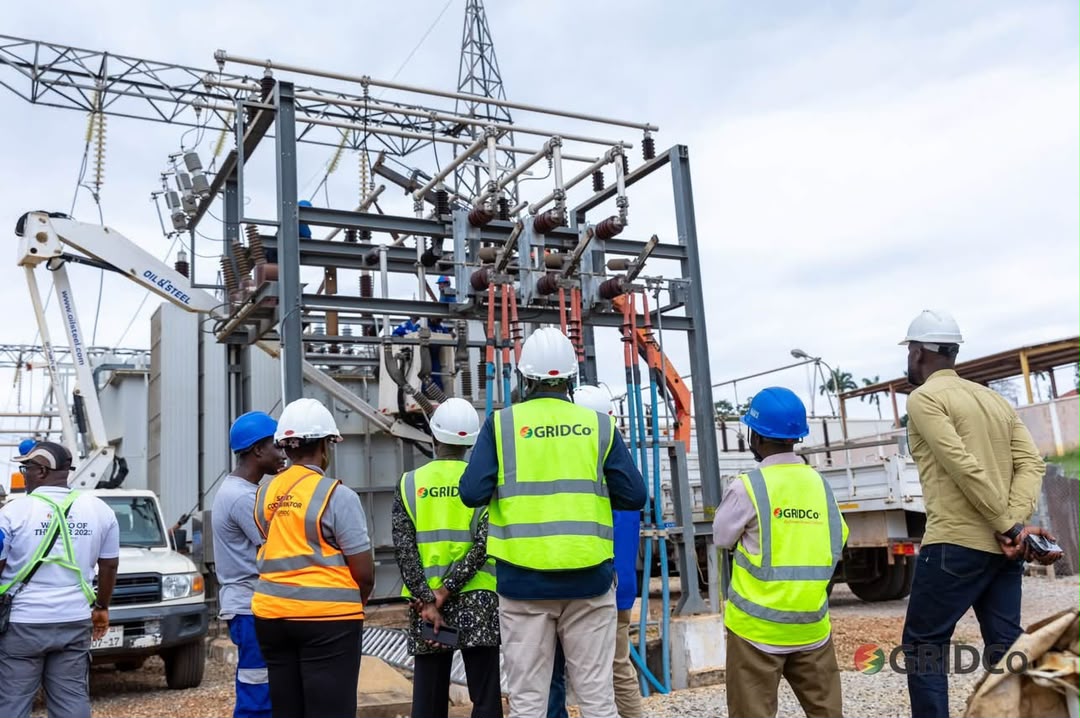
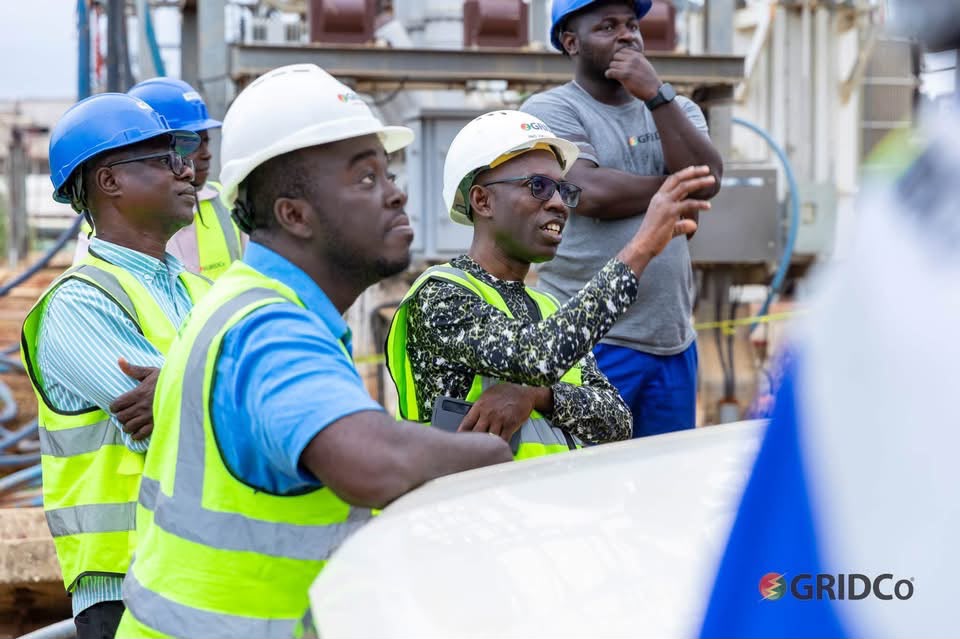
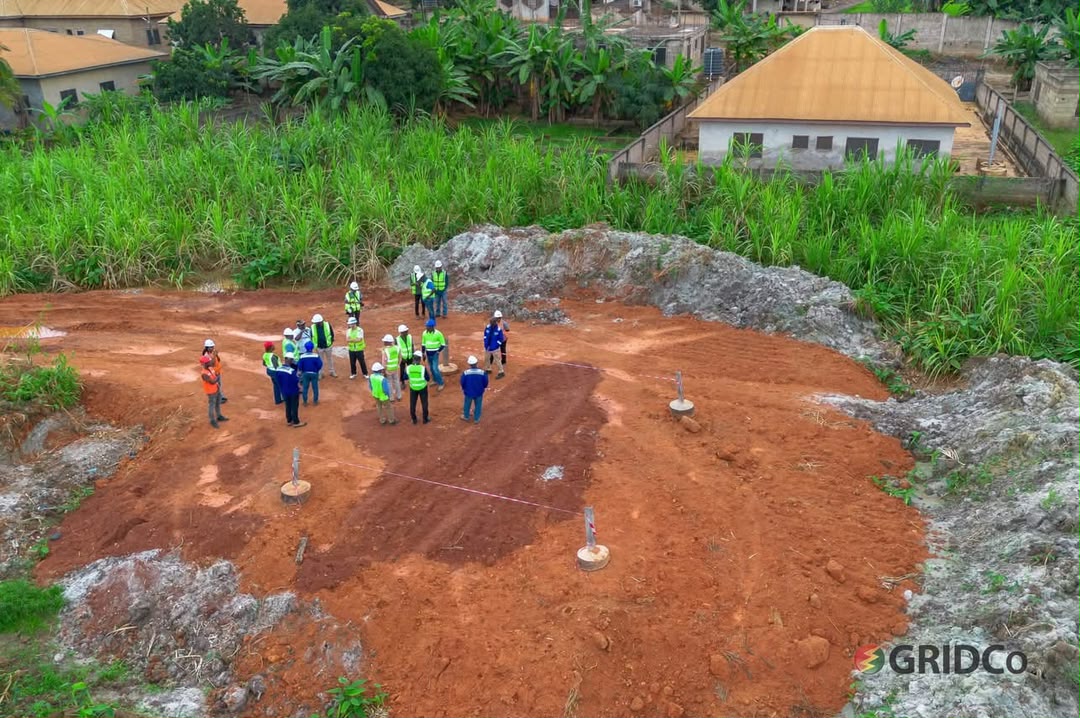
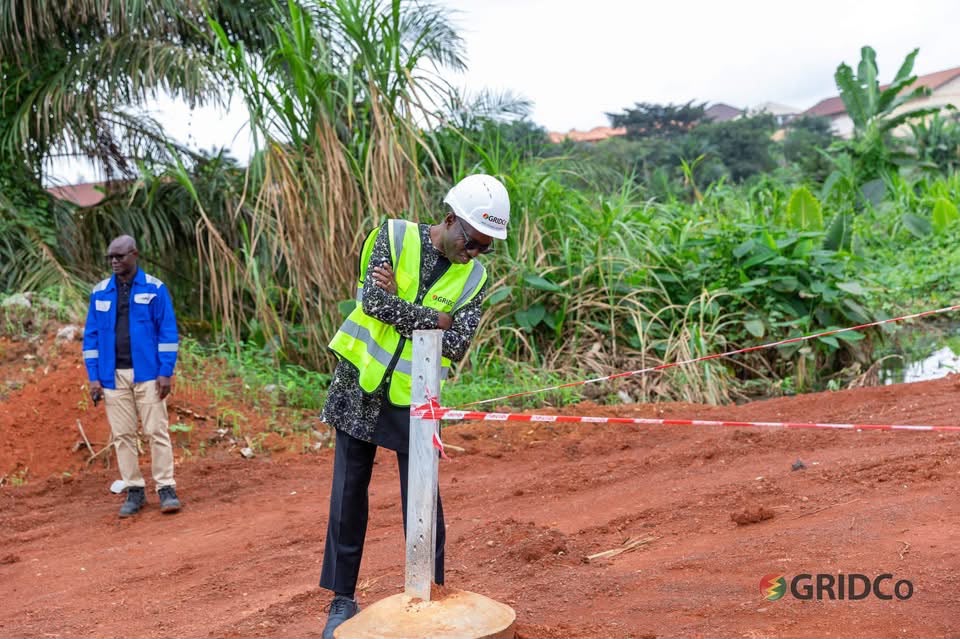
GRIDCo Chief Executive, Ing. Frank Otchere, together with members of the company’s management team, inspected the two projects in Kumasi to assess progress and receive updates on the works.
The inspection brought together officials from GRIDCo’s Northern Network Department, the Kumasi Area Office, the Project Management team and representatives of the contractor involved in the works.
The engagement provided an opportunity for management to review the implementation of the projects and assess their expected contribution to the reliability of electricity supply in Kumasi.
GRIDCo’s project update: “The two projects when completed will strengthen the grid and improve power supply delivery in Kumasi and its surrounding communities.”
Transformer Upgrade Targets Substation Reliability
One of the projects inspected involves transformer upgrade works at the Kumasi Substation located at Nhyiaeso.
Substations are critical points within the transmission network because they facilitate the movement and transformation of electricity between different voltage levels before power is delivered through the wider distribution system.
The condition and capability of substation equipment can therefore influence how effectively electricity can be transmitted to areas with growing demand.
The Kumasi Substation is particularly relevant to electricity supply in the Ashanti regional capital and its surrounding communities.
Strengthening the facility can provide additional resilience within the transmission network and support more reliable delivery of electricity as demand evolves.
GRIDCo’s decision to inspect the ongoing works also points to the importance of monitoring transmission assets beyond generation capacity.
Ghana’s electricity system can have sufficient generation available while still experiencing constraints in the transmission and distribution network. Strengthening transmission infrastructure is therefore essential to ensuring that electricity generated for the national system can be moved efficiently to areas where it is required.
The Kumasi transformer upgrade forms part of that broader infrastructure requirement.
161kV Line Upgrade Addresses Transmission Capacity
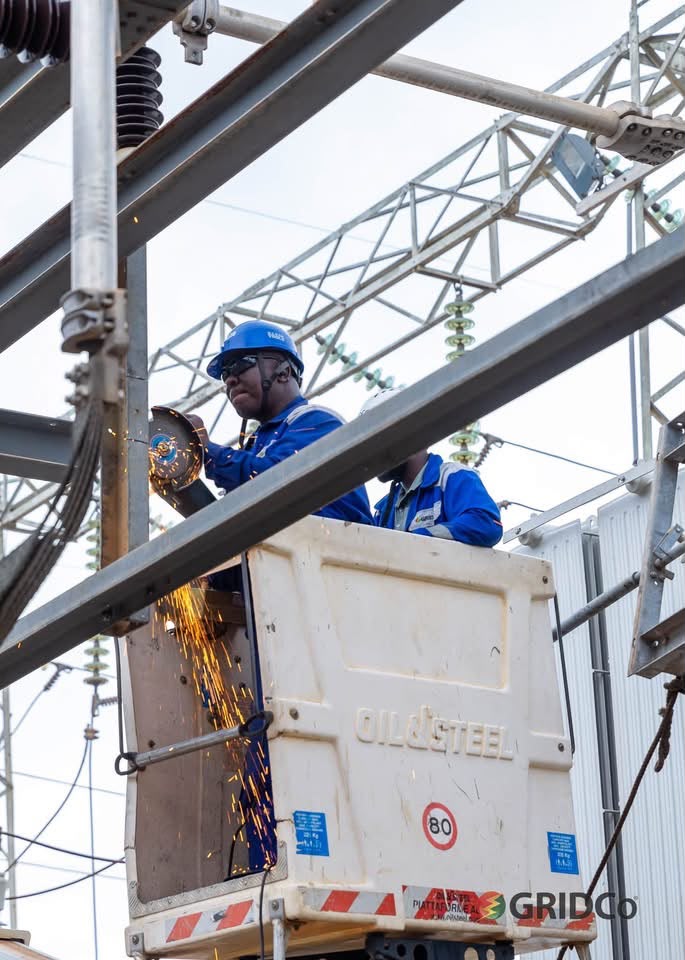
The second project inspected was the Ahodwo-Anwomaso K1-K2 161kV Transmission Line Upgrade Project.
The transmission line forms part of the network through which electricity is transported across the Kumasi area. Upgrading such infrastructure can improve the ability of the grid to move electricity reliably between key points in the network.
The project is also significant because transmission lines operate as part of an interconnected system rather than as isolated assets.
Weaknesses or constraints on individual transmission corridors can affect the ability of the wider network to transfer electricity efficiently.
Reinforcing important corridors can consequently improve the resilience of the system and reduce pressure on other transmission routes.
For Kumasi, where electricity demand from households, businesses and productive activities places continuous requirements on the power system, transmission reinforcement is increasingly important.
The upgrade of the Ahodwo-Anwomaso corridor therefore complements the transformer works at Nhyiaeso, with the two projects addressing different but connected components of the transmission system.
Projects Require Coordination And Delivery
During the inspection, the Director of the Northern Network Department, Ing. Bernard Gyan; Kumasi Area Manager, Ing. Peter Acquah Jnr.; Manager of Project Management, Mr. Martin Kodjo; and representatives of the contractor provided project updates to management.
The involvement of officials from both the network and project-management sides reflects the need for technical and implementation considerations to remain aligned as infrastructure works progress.
For transmission projects, successful completion is not only about installing or upgrading equipment. The infrastructure must ultimately operate as part of a wider electricity system, meaning project execution, network planning and system operations must be coordinated.
The Kumasi projects will therefore need to translate the ongoing works into measurable improvements in the reliability and strength of the local transmission network once completed.
GRIDCo’s inspection provides a management-level review of that process and reinforces the company’s responsibility for ensuring that investments in transmission infrastructure deliver their intended system benefits.
Transmission Investment Supports Energy Security
Ghana’s energy-security discussion often focuses on fuel availability, generation capacity and the financial condition of the electricity sector. However, the transmission network is an equally important part of energy security.
Electricity cannot contribute to economic activity simply because generation capacity exists. Power must be transported from generation sources through the transmission system and subsequently delivered through distribution networks to consumers.
This makes transmission infrastructure a critical link between available generation and actual electricity supply.
The Kumasi projects illustrate that connection. Upgrading a transformer and reinforcing a 161kV transmission corridor may appear to be individual infrastructure interventions, but their broader value lies in improving the network’s ability to deliver electricity to consumers.
For businesses in Kumasi and surrounding areas, improved transmission resilience can support more dependable electricity supply. For households, it can contribute to a stronger network capable of responding to changing demand and system pressures.
The projects also become relevant to Ghana’s longer-term electricity strategy as the country seeks to accommodate additional generation, including renewable energy.
As renewable generation expands, particularly from locations where the strongest resources may be geographically distant from major demand centres, transmission capacity becomes increasingly important.
New generation cannot deliver its full value if the network lacks the capacity to evacuate and transport that electricity.
Kumasi Infrastructure To Strengthen Grid Resilience
The inspection of the Nhyiaeso transformer upgrade and Ahodwo-Anwomaso transmission line project therefore highlights a wider requirement for Ghana’s electricity sector: generation expansion must be matched by sustained investment in the infrastructure that carries electricity.
For GRIDCo, the immediate objective is to complete the ongoing works and integrate the upgraded assets effectively into the network.
For Kumasi and surrounding communities, the expected outcome is stronger transmission infrastructure and improved electricity delivery.
The projects do not, on their own, resolve all the challenges facing Ghana’s power sector. Transmission investment must continue alongside efforts to improve distribution efficiency, reduce system losses, maintain generation adequacy and strengthen the financial sustainability of the electricity value chain.
However, reinforcing the transmission backbone remains an important part of building a power system capable of supporting economic activity and future electricity demand.
GRIDCo’s management inspection signals continued attention to that infrastructure requirement, with the company maintaining that the two projects will strengthen the grid and improve power supply delivery once completed.
READ ALSO: Hohoe MP Reveals Over 3,000 Displaced By Devastating Floods