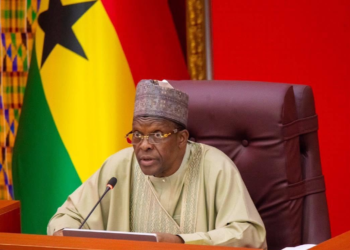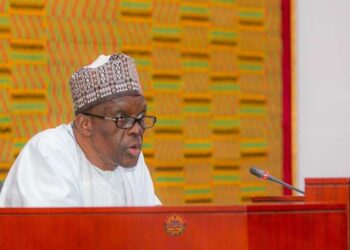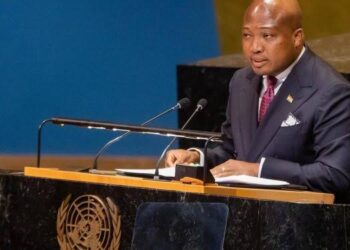
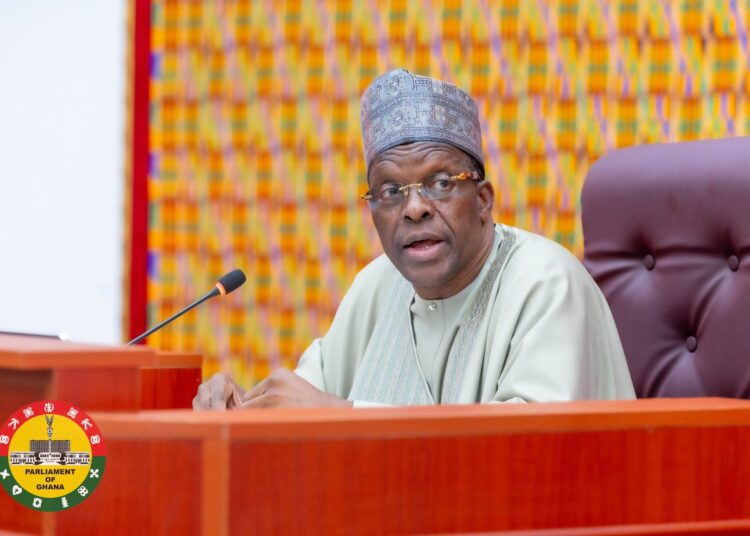
Speaker of Parliament Alban Sumana Kingsford Bagbin has endorsed President John Dramani Mahama’s call for a national stakeholder engagement on hate speech, abusive online content and responsible digital communication. Mr Bagbin announced his support on the floor of the House in Accra during Parliament’s recall proceedings.
The Speaker said the growing volume of insults, threats and hate speech in Ghana’s public discourse had become weighty enough to take precedence over the immediate business of the recalled House.
He argued that the engagement must protect freedom of expression while confronting content that causes genuine harm, and he charged parliamentary committees to act without waiting for referrals.
Bagbin Backs Mahama’s Hate Speech Dialogue
President Mahama recently asked the Ghana Journalists Association (GJA) and the Media Foundation for West Africa (MFWA) to convene the engagement, warning at the same time against arrests over criticism. Speaker Bagbin told the House he had taken note of the proposal.
“I have noted also that the call by His Excellency the President has received a lot of support from across the nation and beyond,” he said. The Speaker revealed that the concern had reached him directly.
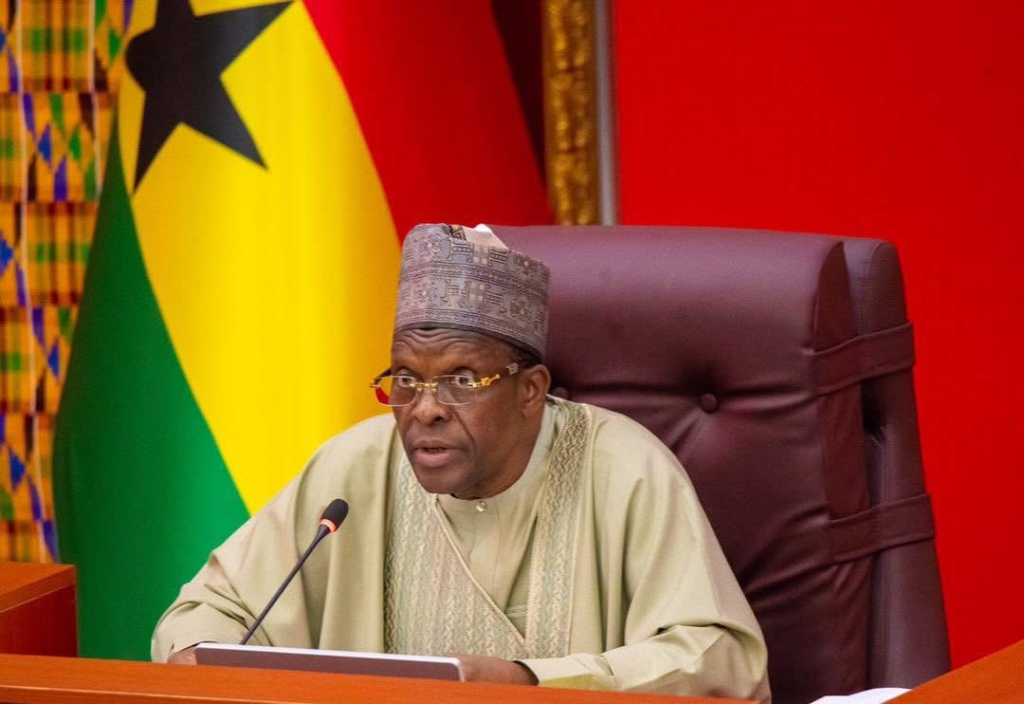
Senior citizens from both sides of the political divide, he said, have written to him about the tone of the national conversation, and he offered to produce those messages as evidence. He described the President’s call as timely and said it deserved the backing of every person and institution committed to preserving Ghana’s democracy.
Social Media Expanded Ghana’s Democratic Space
Mr Bagbin did not blame new media for the problem. He acknowledged that social media and other digital platforms have enlarged the democratic space, giving citizens room to join national conversations, criticise public officials, expose wrongdoing and demand accountability. Those gains, he insisted, must be protected.
He reminded the House that the Constitution guarantees freedom of speech and expression, including press freedom, and that satire, dissent and vigorous debate belong in any democracy. “But freedom of expression does not require the degradation of our public discourse,” he said.
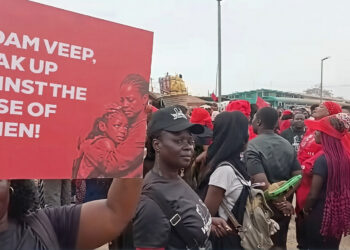
The Speaker then described the drift he sees in Ghana’s politics. Disagreement now travels through insults instead of reasoned argument, he observed; political opponents are treated as enemies, and allegations circulate with no regard for their truth or consequences.
Threats and ethnic insinuations, he added, spread across digital platforms with extraordinary speed and reach.
Hate Speech Response Must Not Criminalise Dissent
Speaker Bagbin drew a firm line on how the country should respond. The national conversation, he said, must be broad, inclusive and measured. Legitimate concern for free speech, he added, cannot become an excuse for incitement, deliberate falsehoods or the reckless abuse of others.
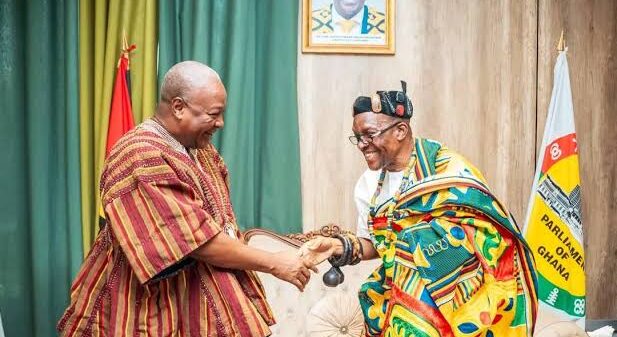
“We must protect citizens against genuinely unlawful conduct without criminalising disagreement. We must protect public officials from threats without protecting them from criticism.”
Speaker of Ghana’s Parliament, Rt. Hon. Alban Kingsford Sumana Bagbin
His position echoes a debate already running across the political spectrum. The Member of Parliament for Damongo has condemned the politics of insults while insisting that arrests must follow the law, and President Mahama has himself shrugged off insults directed at him while pressing for national consensus on TikTok regulation.
Human Rights Committee Told to Act on Its Own
The Speaker turned to Parliament’s own committees and urged them to wake up. He singled out the House’s Human Rights Committee, reminding its leadership that it holds the power to inquire into and investigate human rights abuses when they surface.
“Don’t just sit silent and expect that somebody should refer it to you. That’s not what the law says,” he said.
Under the Standing Orders, he explained, the House and its committees carry a remit to engage constitutional, regulatory and civil society bodies on the state of public discourse and on whether Ghana’s legal and institutional framework is adequate. Any response that emerges, he cautioned, must be constitutional, proportionate and carefully calibrated.
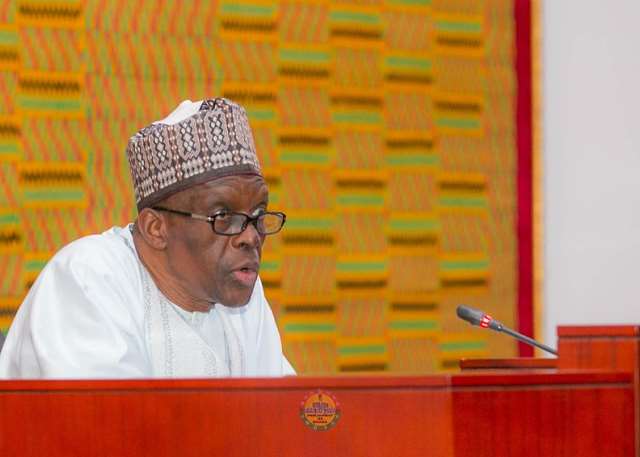
Speaker Draws on Decades in the Hot Seat
Speaker Bagbin, who has spent decades in Parliament, grounded his warning in personal history. He told younger Members that many of them did not know how hard Ghana struggled to reach its present stability, and that they now took too much for granted.
“I didn’t read it. I didn’t hear it. I felt it. I saw it,” he said. He also signalled a change in how the House would treat the matter. “Things have changed. I want to give notice. You spared a rod and spoiled a child,” he declared.
The intervention places Parliament squarely inside the national conversation on hate speech. It also leaves the House’s committees with a clear expectation from the Chair: take the initiative, and keep any response firmly within the bounds of the Constitution.
READ ALSO: Ato Forson Targets Single-Digit Lending as Private Credit Surges