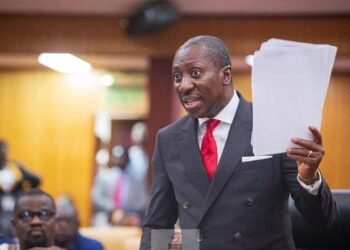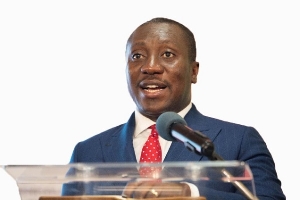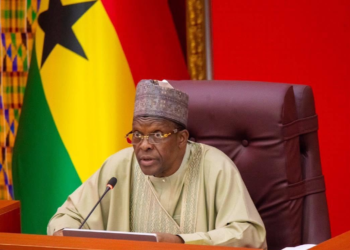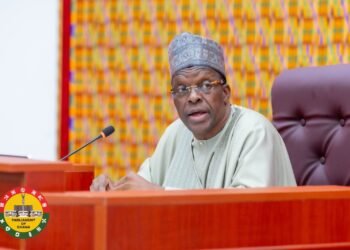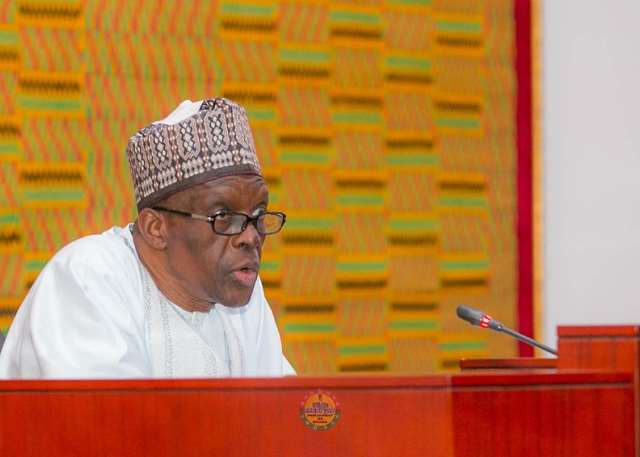
The Speaker of Parliament, Rt. Honourable Alban Kingsford Sumana Bagbin, has urged Members of Parliament to uphold discipline and civility in their public engagements, stressing that political disagreements must not descend into personal attacks.
Addressing Parliament’s emergency sitting on Tuesday, September 29, 2026, the Speaker acknowledged that strong criticism and vigorous debate are essential features of democratic governance.
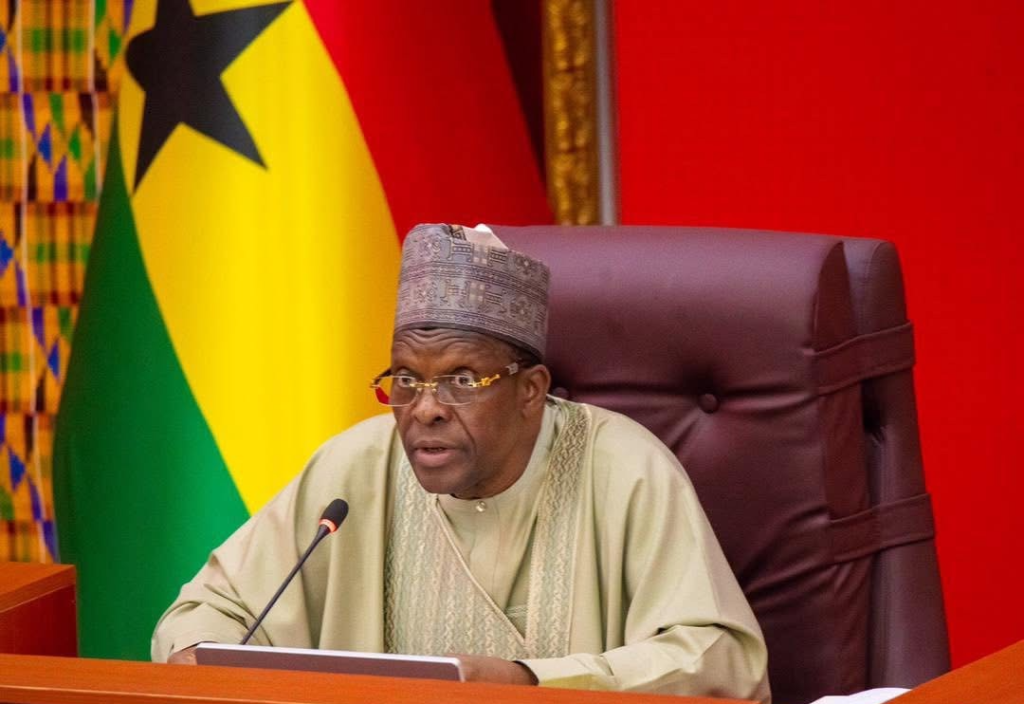
Speaker Bagbin expressed concern that some language used by MPs both inside and outside the chamber has fallen below the standards expected of elected representatives. He explained that the conduct of lawmakers carries significance because Parliament remains one of the institutions through which citizens assess the quality of democratic discourse.
“I must say with regret that some of the language employed by members, both within and outside this chamber, has on occasion fallen below the standards that they are entitled to expect from their elected representatives.”
Rt. Honourable Alban Kingsford Sumana Bagbin
Directing attention to parliamentary debate, the Speaker distinguished legitimate political criticism from language intended to demean individuals or institutions. He noted that scrutiny of government, opposition leadership, Parliament and other state institutions remains necessary, but argued that such scrutiny loses its democratic value when expressed through abuse.
Rt. Honourable Bagbin cautioned MPs against demanding responsible public discourse from citizens while failing demonstrate the same standard themselves. He urged lawmakers to examine their own conduct and recognise that their statements at press conferences, interviews, public meetings and on social media can influence the wider political environment.
The Speaker also linked parliamentary responsibility to the broader quality of Ghana’s political conversation. He explained that MPs occupy positions of public trust and therefore have an obligation to demonstrate how disagreements can be handled without turning political opponents into personal targets.
On this, Rt. Honourable Bagbin called for greater restraint in political communication and urged MPs to use argument, evidence and persuasion when challenging opposing positions. He stressed that Parliament’s credibility depends not only on the issues debated but also on the manner in which those disagreements are expressed.
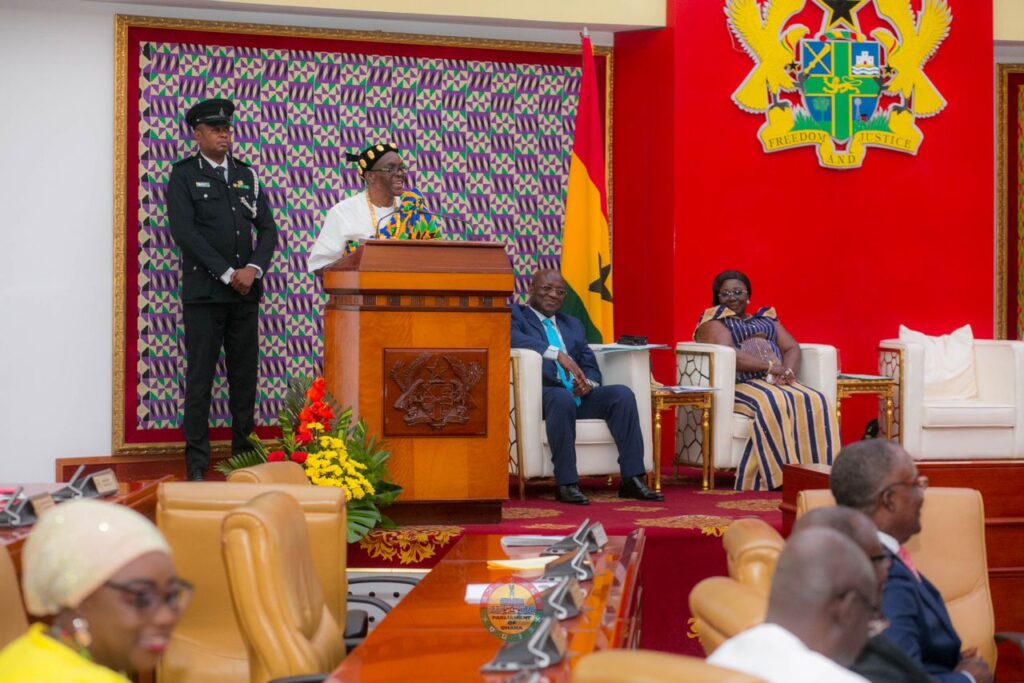
“Please, robust disagreement is legitimate. Strong criticism is legitimate. Holding government, the opposition, the Speaker, leadership, and every institution of state to account is legitimate. But insult is not argument.”
Rt. Honourable Alban Kingsford Sumana Bagbin
The Speaker therefore encouraged members to lead by example in their interactions within the House and in their engagements outside Parliament. He cautioned that allowing abusive language to become normalised could weaken the quality of democratic engagement and public confidence in political institutions.
Speaker Challenges Parties Over Rewards for Abusive Political Rhetoric
The Speaker of Parliament, Rt. Honourable Alban Kingsford Sumana Bagbin, also challenged political party leaders to reconsider how public recognition is given to politicians whose rhetoric is dominated by inflammatory or abusive language.
He argued that party leadership has an important role in shaping the tone of political engagement.
Rt. Honourable Bagbin noted that the conduct of political parties can influence the behaviour of their members and supporters. He cautioned that elevating individuals primarily because of provocative language could encourage others to adopt similar methods in pursuit of recognition.
“I add this to both political parties’ leaders. Don’t reward only bitter tongues.”
Rt. Honourable Alban Kingsford Sumana Bagbin
Referencing the behaviour that receives attention within political organisations, the Speaker explained that politicians may begin to view harsh rhetoric as a pathway to prominence when such conduct attracts rewards or recognition. He therefore urged party leaders to place greater value on responsible political engagement when identifying individuals for leadership and public roles.
The Speaker’s appeal extended beyond Parliament to the wider political environment in which party activists, elected officials and aspiring leaders communicate with the public. He noted that disagreements are an unavoidable part of democratic politics, but the manner in which those disagreements are managed can either strengthen or damage public discourse.
Directing attention to the influence of political leadership, Rt. Honourable Bagbin argued that parties should demonstrate through their internal practices that political recognition is not dependent on personal attacks. He stressed that leadership decisions can establish behavioural standards that others within the political system may seek to emulate.
He also linked the issue to Parliament’s own responsibility to demonstrate acceptable standards of public conduct. The Speaker explained that institutions cannot effectively encourage citizens to moderate their language if political leaders themselves fail to demonstrate restraint in their public engagements.
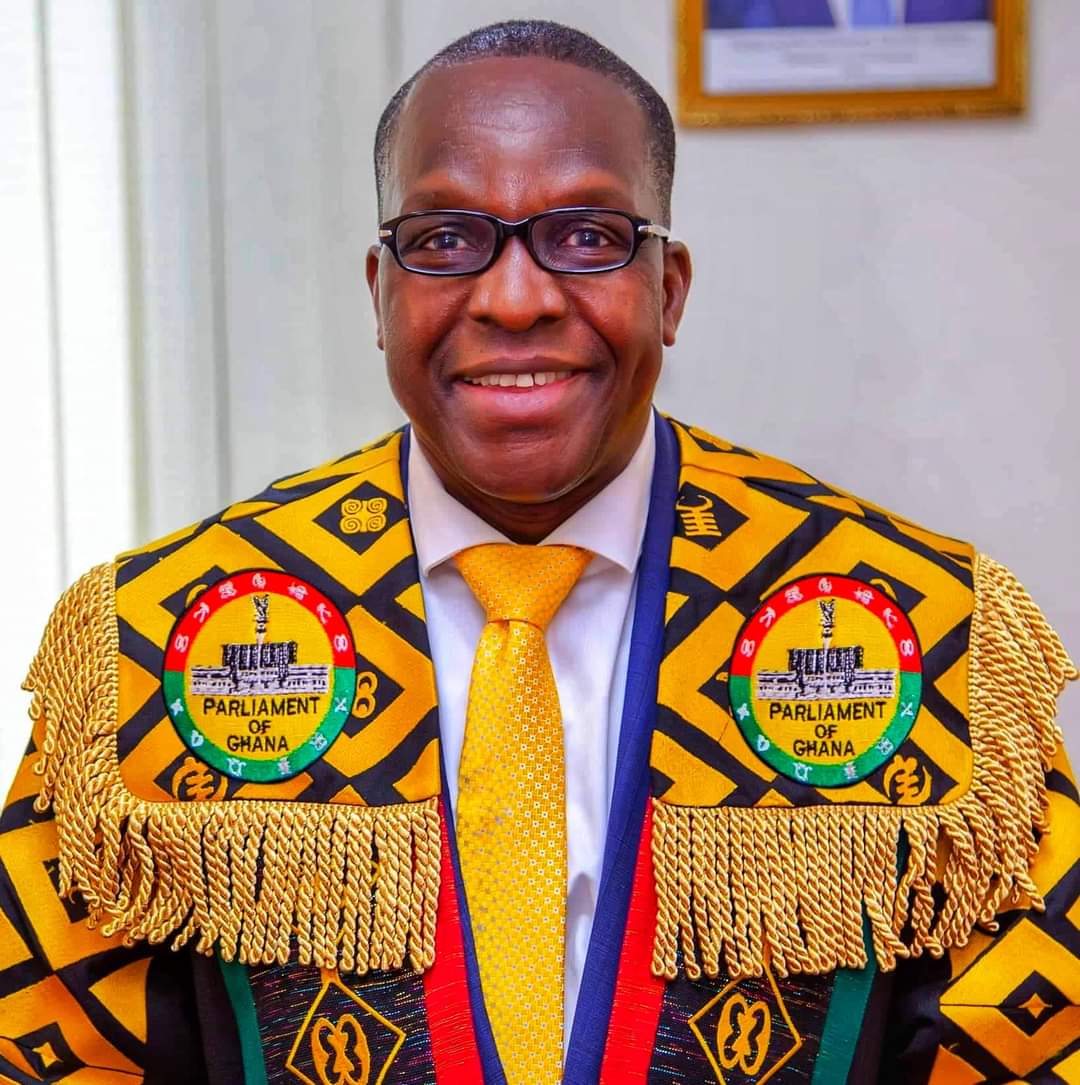
On this, Rt. Honourable Bagbin called for political disagreements to remain focused on policies, decisions and ideas instead of personal attacks. He indicated that democratic competition can remain vigorous while respecting the dignity of political opponents.
“That is what I have observed up to date. That encourages others to copy that because that is how they will be recognized.”
Rt. Honourable Alban Kingsford Sumana Bagbin
The Speaker further noted that Ghana’s democratic system relies not only on formal institutions but also on the political culture surrounding them. He therefore urged party leaders and public officials to consider the wider consequences of the language and conduct they encourage within their organisations.
READ ALSO: Nuclear Power Gains Ground In Africa’s Industrialisation Push