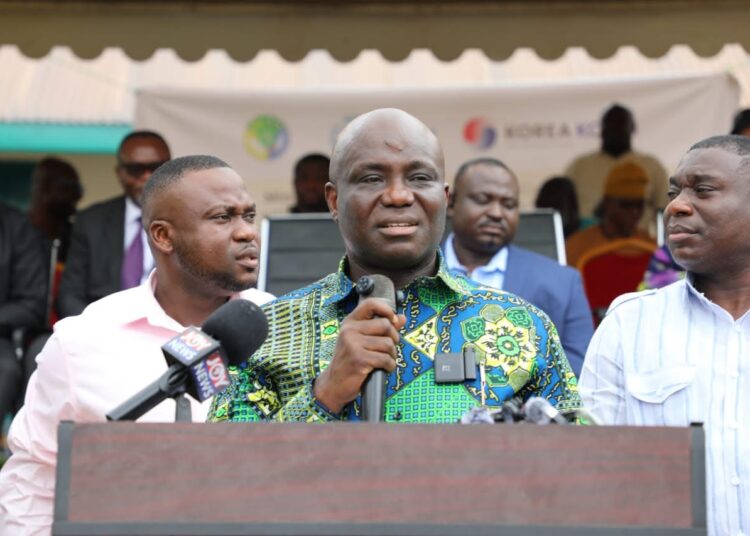
Five agricultural colleges across Ghana have received advanced digital farming equipment to strengthen practical training and equip students with the skills required to support the modernisation of the country’s agriculture sector.
The initiative, led by the Ministry of Food and Agriculture (MoFA), in partnership with the World Food Programme (WFP) and the Korea International Cooperation Agency (KOICA), is designed to promote the use of technology and data-driven approaches in agricultural education and production.
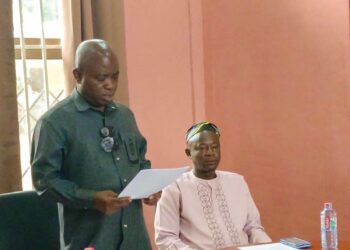
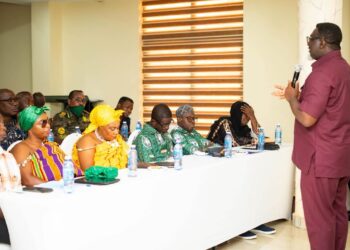
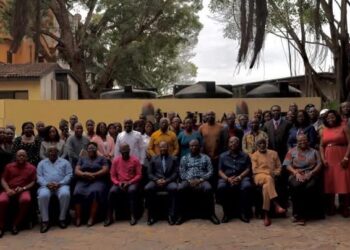
The equipment was handed over at the Kwadaso Agricultural College in Kumasi in the Ashanti Region. The beneficiary institutions are the Kwadaso, Wenchi, Ejura, Damongo and Ohawu Agricultural Colleges.
The intervention comes at a time when Ghana’s agricultural sector is increasingly seeking to adopt digital technologies to improve productivity, resource management, climate resilience and the efficiency of farming operations.
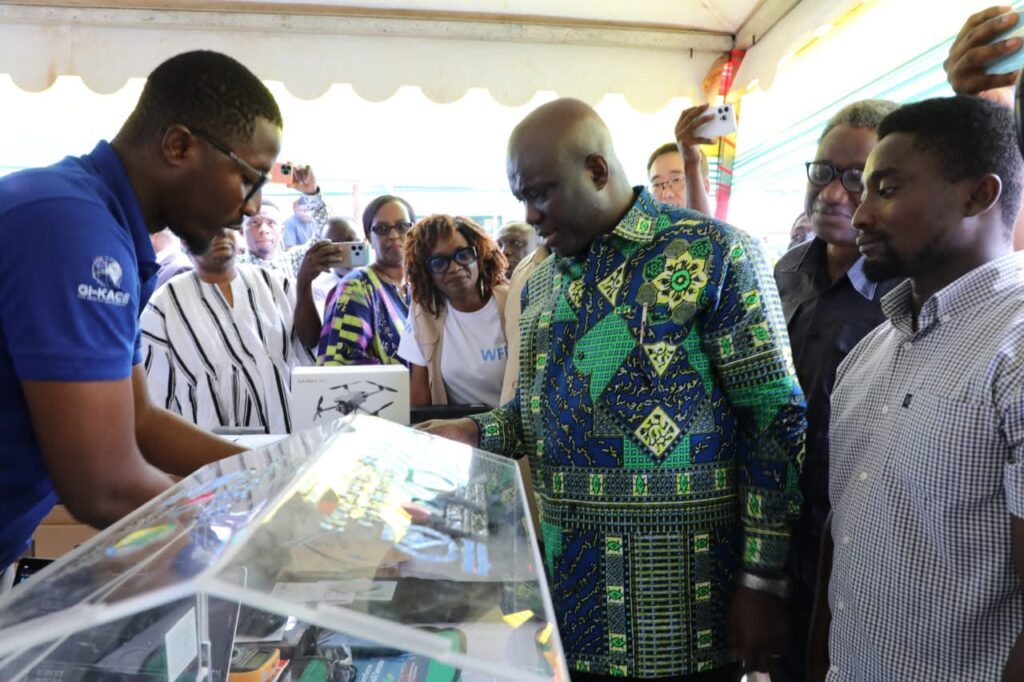
Among the equipment provided are mini drones, soil testers, moisture meters, weather stations, GPS devices, Internet of Things (IoT) sensor kits, computers, greenhouse control kits, agricultural software and simulators.
The technologies are expected to give students and tutors hands-on experience in the application of digital tools to agricultural production and farm management.
Speaking at the handover ceremony, the Minister for Food and Agriculture, Hon. Eric Opoku, expressed appreciation to WFP and KOICA for supporting Ghana’s efforts to strengthen agricultural education through technology.
He described the initiative as an investment in the knowledge and skills required to prepare young people to respond to the changing demands of agriculture.
“This initiative is an investment in the knowledge, skills and innovation needed to prepare our young people for the future of agriculture.”
Minister for Food and Agriculture, Hon. Eric Opoku
He noted that agricultural development increasingly depended on the ability of farmers and professionals to use technology to make informed decisions, improve efficiency and respond to emerging challenges.
Modern Agricultural Technology Help Bridge Gap
The Minister said exposing students to modern agricultural technologies would help bridge the gap between classroom learning and practical farming, while preparing graduates to contribute meaningfully to agricultural transformation.
”This support will help our agricultural colleges provide practical training that reflects the realities of modern farming. The equipment will allow students to gain practical knowledge in areas such as precision agriculture, digital farm management, data collection and analysis, climate smart farming and digital agribusiness.”
Minister for Food and Agriculture, Hon. Eric Opoku
For instance, drones can be used to monitor crops, identify areas requiring attention and support farm mapping, while soil testers and moisture meters can provide information to guide decisions on irrigation, fertiliser application and soil management.
Weather stations can also help students understand how weather information influences agricultural production and enable them to appreciate the importance of climate data in planning farming activities.
GPS devices and IoT sensor kits, meanwhile, will expose students to technologies capable of collecting and transmitting real-time information from farms.
The intervention also includes agricultural software and simulators that can support classroom instruction and practical learning.
Initiative to Support Effective Agricultural Teaching and Learning
The Ministry said the initiative would not be limited to the provision of equipment, as instructors and tutors would also receive training to enable them to effectively use and integrate the technologies into their teaching.
The training component is expected to strengthen the capacity of lecturers and tutors to deliver digital agriculture education and ensure that the equipment is effectively utilised.
Students will subsequently receive practical training in precision farming, data-driven decision-making and digital agribusiness.
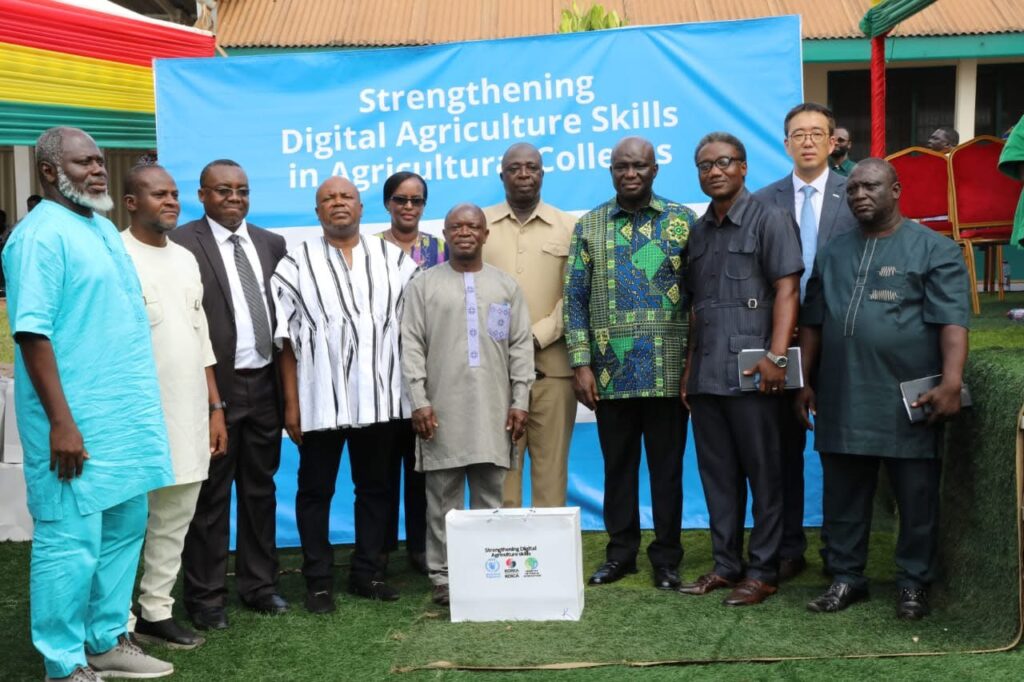
The approach is expected to create a learning environment in which students can move beyond theoretical knowledge and develop practical competencies relevant to the contemporary agricultural sector.
The partnership with WFP and KOICA also highlights the growing importance of collaboration between government and development partners in supporting agricultural transformation.
Digitalisation is increasingly being applied across the agricultural value chain, from production and farm monitoring to logistics, marketing, financial services and post-harvest management.
For Ghana, stakeholders believe that strengthening digital agricultural education could help develop a workforce capable of supporting farmers and agribusinesses to adopt appropriate technologies.
The beneficiary colleges are expected to serve as important centres for building this capacity, particularly as the country seeks to attract more young people into agriculture and transform farming from predominantly traditional practices into a more commercially oriented and technology-driven enterprise.
The intervention could also contribute to improving the attractiveness of agriculture among young people by exposing students to innovations that demonstrate the sector’s links with science, technology, entrepreneurship and business.
The Need for Continued Investment
Mr Opoku emphasised the need for continued investment in agricultural education, noting that the transformation of the sector required skilled professionals who could apply modern technologies to address production challenges.
“We must equip the next generation of agricultural professionals with the knowledge and practical skills to drive productivity, resilience and innovation.”
Minister for Food and Agriculture, Hon. Eric Opoku
The digital farming equipment is therefore expected to complement existing training programmes at the five colleges while creating opportunities for students to experiment with technologies that can be applied in real-world agricultural settings.
The intervention is also expected to contribute to the development of a new generation of agricultural professionals capable of using data to make decisions on crop production, irrigation, soil management and other aspects of farm operations.
For agricultural colleges, the availability of such equipment could strengthen their role as centres for technical and practical training, research and innovation.
The initiative further demonstrates the potential of partnerships to accelerate the introduction of digital technologies into agricultural education and help Ghana build the human capital needed for a modern food and agriculture system.
With climate change, rising production costs, changing consumer demands and the need to increase food production placing new pressures on farmers, access to accurate information and appropriate technology has become increasingly important.
The Ministry of Food and Agriculture, through the partnership with WFP and KOICA, is seeking to ensure that students entering the agricultural sector are better prepared to respond to these challenges.
The intervention is ultimately expected to strengthen agricultural education, improve practical learning and equip graduates with the digital competencies required to support a more productive, resilient and technology-driven agricultural sector in Ghana.
READ ALSO:New Bank Loans Now Attract Rates as Low as 9%