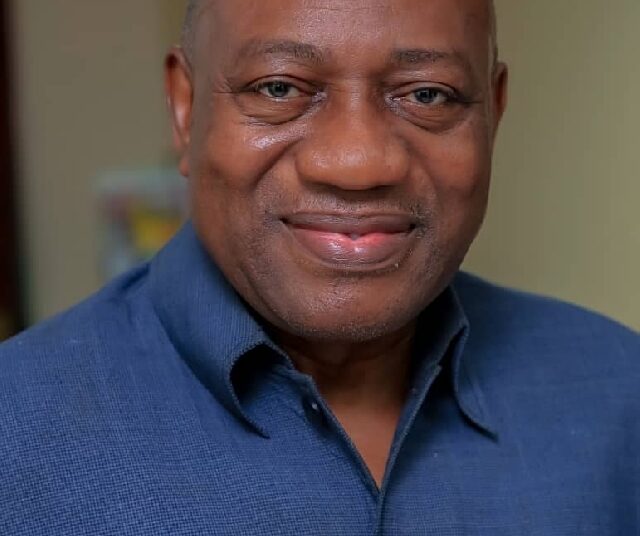
Minister of State in charge of Special Initiatives and Member of Parliament for Wa Central, Hon. Abdul-Rashid Hassan Pelpuo, has defended government’s approach to public sector wage negotiations, revealing plans to transform the Fair Wages and Salaries Commission into an independent Public Emoluments Commission to address persistent disparities in worker pay across the public service.
Speaking in an interview on labour issues amid the ongoing teacher strike, Hon. Pelpuo described the Ghanaian labour force as intelligent, hardworking and committed to both their own welfare and the welfare of the nation, citing past wage negotiations as evidence of this characterisation.
Recounting negotiations over base salary and minimum wage, Hon. Pelpuo said government reached a conclusion that it could not go beyond a 9 percent increase, and workers ultimately agreed to this figure after government presented two key arguments.
First, he said government committed to controlling inflation, assuring workers that the prices of goods would remain stable, with earnings tied to the broader strength and capacity of the economy to pay.
Second, he argued that exceeding the proposed percentage would make it impossible for government to employ any new workers in the public sector that year, given the large number of unemployed young people still seeking jobs.
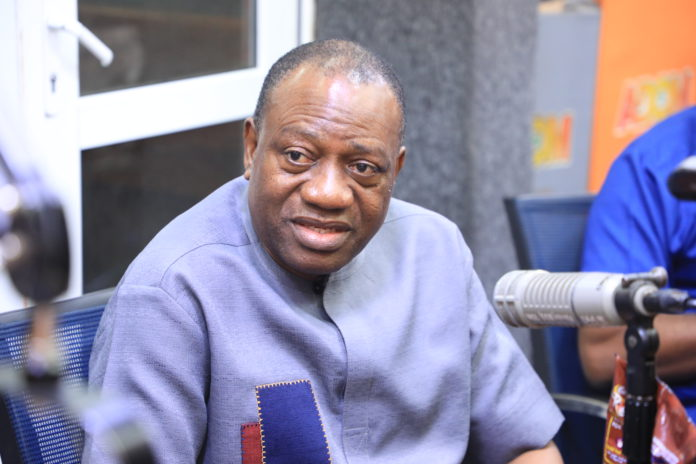
Unsustainable Compensation Burden
“If we paid more than the percentage they were asking for, we could not employ a single person in the public sector.”
Dr. Pelpuo
Hon. Pelpuo highlighted the scale of the compensation challenge facing government, noting that approximately 82 percent of the Ministry of Education’s budgetary allocation goes solely toward compensation for work, primarily salaries, leaving only about 18 percent for other ministry activities.
He described this ratio as clearly unsustainable, adding that a similar pattern exists across most government ministries, where compensation consumes most available budgetary resources.
Addressing Pay Disparities Through An Independent Commission
A central theme of Hon. Pelpuo’s remarks was the disparity in earnings among workers with similar qualifications and years of service across different government departments.
He cited an example of a university graduate who has worked for five years earning less than another university graduate in a different department who has worked for only three years, arguing that such inconsistencies point to the need for a centralised regulating body.
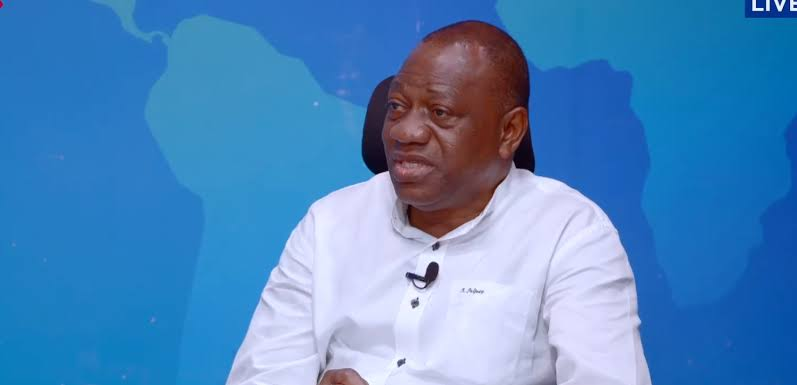
He disclosed that one of his achievements at the Ministry was advancing the transformation of the Fair Wages and Salaries Commission into an independent Public Emoluments Commission, a process he said has progressed significantly.
He explained that this new commission would operate independently of government, streamline salary structures nationwide, and create balance between workers performing similar roles with comparable qualifications and experience.
“There will be independence in the operations, accountability in the process, and full commitment to doing right by all workers.”
Dr. Pelpuo
Production Tied to Earnings
Responding to concerns about low wages among a significant portion of Ghana’s workforce, Hon. Pelpuo pointed to the country’s labour laws, explaining that earnings are fundamentally tied to productivity and production capacity.
He argued that this principle means not everyone will earn the same salary, as differences in qualification level, risk exposure and job nature will continue to account for variations in pay, even under a more streamlined and transparent system.
He drew a comparison to illustrate the point, noting that a senior, experienced professional cannot reasonably expect the same compensation as an entry-level worker, regardless of calls for equal treatment across the workforce.
Responding To Concerns Over Political Pay
Addressing criticism that political office holders are overpaid relative to the public servants they supervise, Hon. Pelpuo acknowledged the concern directly, agreeing that the disparity between political salaries and the pay of those they oversee is indeed significant and warrants attention.
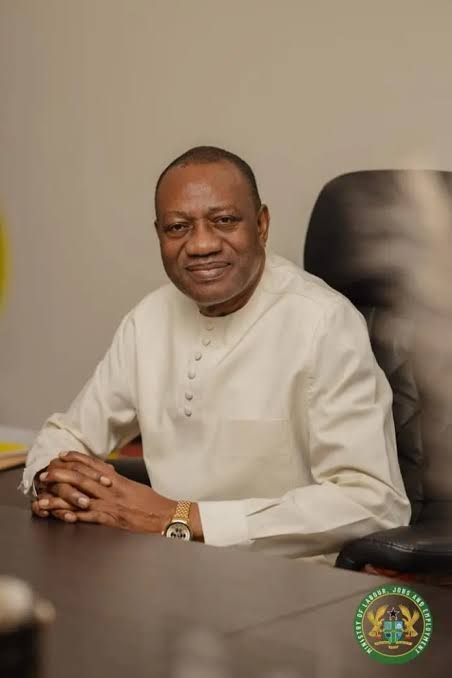
As government continues efforts to transition the Fair Wages and Salaries Commission into an independent Public Emoluments Commission.
Attention will likely focus on how quickly this restructuring translates into tangible improvements in pay equity across the public sector, and whether it offers a lasting framework for resolving recurring wage disputes, including the grievances currently driving the ongoing teacher strike.
READ MORE: School Feeding Food Quality Complaints Decline Under New Hybrid System