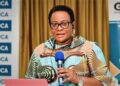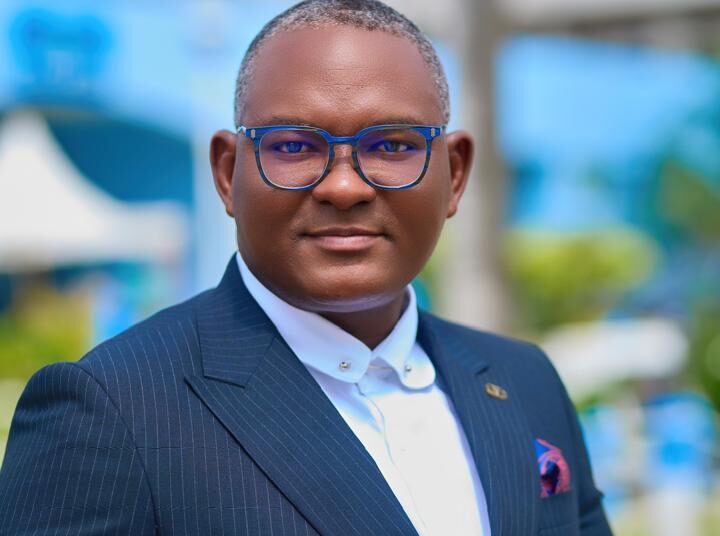
Dr. Victor Doke, an Analyst at the Kofi Annan International Peacekeeping Training Centre (KAIPTC) has opined that the departure of Iranian delegates during U.S. President Donald Trump’s address to the United Nations General Assembly should not be interpreted as a rejection of future negotiations or mediation.
In an interview with The Vaultz News, Dr. Doke described the walkout as a public gesture rather than evidence that Iran had closed the door to diplomacy.
“Oh, this is what I call public gimmicks. The fact that the President is reading his address and then opponents walk out doesn’t mean they don’t go back to listen or they don’t do any analysis of the speech.”
Dr. Victor Doke
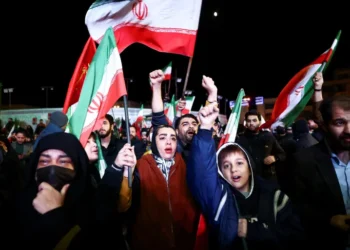
Iranian delegates left the General Assembly chamber during Trump’s remarks as the U.S. President outlined his assessment of the conflict with Tehran and defended U.S. military action against Iran.
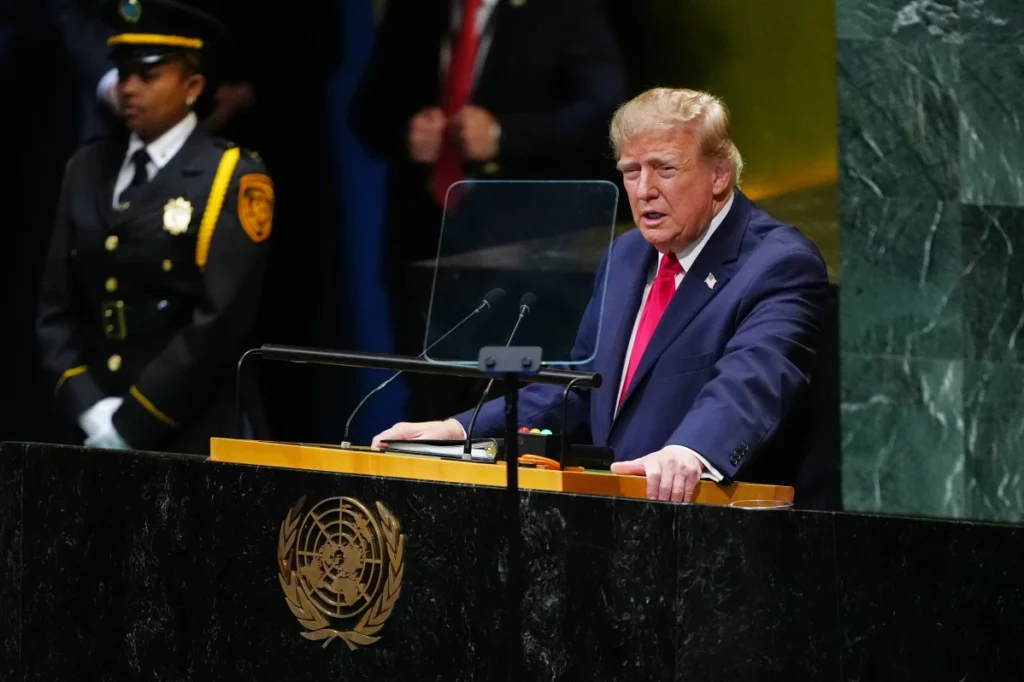
The departure was a visible rejection of Trump’s message, but Dr. Doke said its significance should not be overstated. According to him, the General Assembly provided Iran with an international platform to communicate its opposition to the U.S. position.
“Publicly, people would read meaning into it that they are rejecting Trump’s speech. But for me, it is not this speech at the General Assembly that will be the first to say Iran is rejecting Trump’s assertions or claims on the war.”
Dr. Victor Doke
He said that the walkout allowed Iran to express its position symbolically, but did not alter the underlying positions of either side.
“What it means is an international platform like this, they have an opportunity to express their objective, which is to walk out.
“Fair enough. The message was still clear and heard. Nothing changed. Nothing’s going to change with regards to what we said Trump wants to do or what Iran wants to do.”
Dr. Victor Doke
The Analyst’s assessment suggests that public diplomatic confrontations should be distinguished from the private calculations that often shape negotiations, particularly when the costs of continued conflict begin to rise.
Iran Could Still Accept Mediation
Also, Dr. Doke stressed that the walkout should not be taken to mean that Iran would refuse to participate if it were invited to negotiations. He argued that if negotiations or mediation were offered, Iran could still participate even after publicly rejecting Trump’s message.
He argued that negotiations inherently require parties to hear proposals they may disagree with and determine whether compromises are possible. “If Iran is invited to the negotiation table, they will go to the negotiation table,” he said.
For Dr. Doke, the distinction between public messaging and diplomatic engagement is therefore important. A government can reject an opposing leader’s statements in public while still participating in discussions aimed at reducing tensions or reaching an agreement.
The same applies to mediation, he said, particularly when economic and social pressures make a prolonged confrontation increasingly difficult to sustain. “It doesn’t mean Iran will reject any call for mediation if the need be because they need it more as of now,” Dr. Doke said.
Economic Pressure Likely To Create Space For Diplomacy
Moreover, Dr. Doke pointed to sanctions as one factor that could influence Iran’s calculations.
He stated that sanctions imposed on Iran could have consequences for the country’s economy and population, potentially increasing the incentive to explore diplomatic options.
“Sanctions have been placed on them, sanctions that will affect the economy and affect the people. People are going to go hungry, economy is going to go down.”
Dr. Victor Doke
The KAIPTC Analyst linked this pressure to Iran’s stated opposition to regime change. If Tehran’s objective is to preserve its political system while avoiding further escalation, he said, negotiations could provide a channel through which it can advance its interests.
“If they say they wouldn’t want a regime change, total regime change, then it would be best, to say they would jump on the mediation table and then their proposals for peace to reign.”
Dr. Victor Doke
Dr. Doke’s assessment is that the Iranian delegates’ departure should be viewed primarily as a public expression of disagreement rather than a definitive statement about Iran’s future diplomatic choices.
The incident may have reinforced the political differences between Washington and Tehran, but it did not, in his view, prevent either side from pursuing negotiations if the circumstances become favourable.
Trump’s UN address left open two broad possibilities: a negotiated arrangement that would allow Iran to rebuild under an agreement, or further military action if negotiations fail.
The Analyst stressed that the key issue for future diplomacy would therefore be whether the parties are prepared to move beyond public positions and consider compromises at the negotiating table.
READ ALSO: Plane Makes Emergency Landing In Saudi Arabia After Pilot Brawl