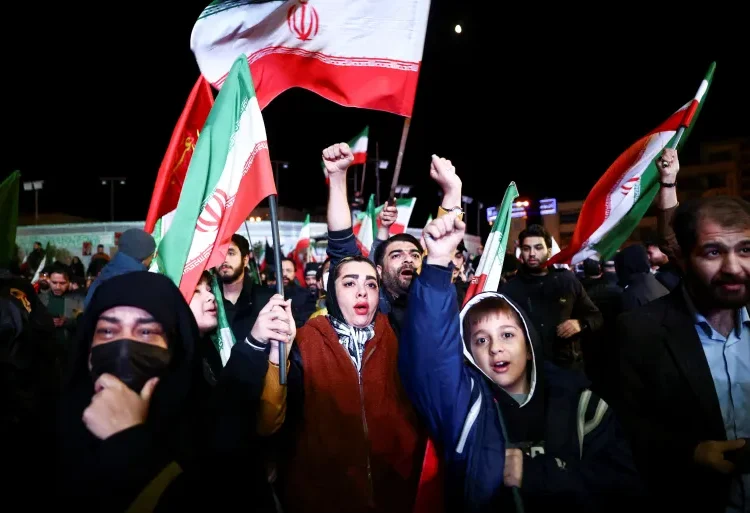
Iran has threatened to target oil facilities, undersea cables, data centres and artificial intelligence infrastructure across as many as seven Gulf countries if the United States and Israel launch another attack, signalling a potentially broader response should hostilities resume.
Mohsen Rezaei, Secretary of Iran’s Supreme National Security Council, said that Tehran would expand its targeting strategy beyond military installations, arguing that the economic infrastructure supporting attacks against Iran could no longer be considered immune.
“In the event of a war, cables, datacentres and artificial intelligence facilities could also be targeted. If the conflict breaks out again, we will have a broader plan.
The warning comes amid growing concerns in Tehran and Washington that diplomatic efforts to end the conflict could fail, potentially opening the way for another US-Israeli military campaign against Iran.
“There can be no arrangement in which Iran’s economic lifelines come under attack while the economic architecture enabling those attacks is considered untouched and immune.”
Mohsen Rezaei
Iran’s military leadership also issued a strong warning against renewed attacks. Ali Abdulahi, Chief of staff of the Iranian Armed Forces, said Tehran was prepared to respond forcefully if the country came under attack again. “We are ready to deliver a crushing and decisive response to the enemy,” Abdulahi wrote in a post on X.
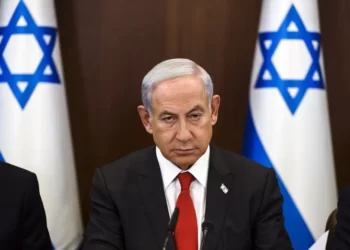
Mehdi Mohammadi, an adviser to Iranian parliament Speaker Mohammad Ghalibaf, who led Iran’s negotiations with the United States to end the conflict, claimed that US President Donald Trump and Israeli Prime Minister Benjamin Netanyahu had agreed in principle to launch another attack. He cautioned, however, that they could not guarantee its success.

Mohammadi described a potential third war within two years as an existential threat to Iran and said the country would adopt a strategy without previously established limits.
“We see the next conflict as an existential threat. The third war in two years means a threat to existence. Our strategy is ‘zero red lines’.”
Mehdi Mohammadi
He added that Tehran expected any renewed conflict to extend beyond the timeframe and geographical boundaries anticipated by its opponents.
“We break the temporal and spatial dimensions of the conflict. The war will continue longer and in a wider geographical area than the enemy anticipates.”
Mehdi Mohammadi
Iranian news agency Fars, which is close to the Islamic Revolutionary Guard Corps (IRGC), also reported that directives had been issued to military and operational units outlining a wider response in the event of a new large-scale war.
According to the agency, the directives stated that if renewed hostilities involved the assassination of Iranian officials and the killing of civilians, Iran’s response would not be confined to military targets but would also include political targets.
Reports Of US-Israeli Plans Raise Tensions
The warnings come as reports in US media indicate that American military advisers have prepared a detailed list of potential targets for another joint US-Israeli assault on Iran, reportedly to be implemented after the US midterm elections scheduled for 3 November.
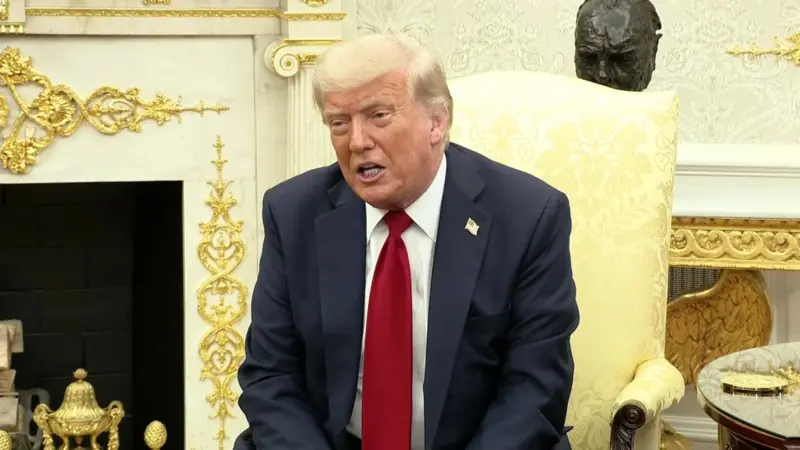
Trump has reportedly backed away from striking Iran again seven times over the past four months. However, a deadlock in diplomatic negotiations has prompted US government officials to brief on the possibility of a renewed military campaign targeting missile sites, oil installations and nuclear facilities.
The prospect of another attack has heightened concerns that any new confrontation could extend beyond conventional military targets to infrastructure critical to regional economies and global communications.
Iran’s latest warnings suggest that energy facilities, undersea communications cables and artificial intelligence infrastructure could become part of a broader retaliatory strategy. Such threats could have implications for Gulf states whose economic and digital infrastructure may be exposed to a wider regional conflict.
Diplomatic Efforts Continue Amid Stalemate
The developments have also intensified diplomatic efforts to prevent a further escalation. Foreign Ministers from three European countries, alongside representatives from Turkey, Saudi Arabia, Pakistan and Egypt, are expected to meet in Istanbul on Friday to coordinate policies on the linked crises involving Iran, Yemen and Palestine.
Also, mediators from Iran and Pakistan have again explored proposals aimed at securing a ceasefire, including arrangements involving Iran’s frozen assets and its restrictions on shipping through the Strait of Hormuz.
Under proposals discussed this week, Iran could receive billions of dollars in frozen assets in exchange for lifting its blockade of the strait, allowing United Nations weapons inspectors to access its bombed nuclear sites and transferring its stockpile of highly enriched uranium to a third country.
Iran has offered to end the Hormuz blockade within seven days and begin talks on its nuclear programme, but only after certain preconditions are met, including the lifting of US sanctions.
The competing positions leave significant obstacles to a diplomatic settlement. While mediators continue to explore possible compromises, Tehran’s warnings of expanded retaliation and reports of preparations for a new US-Israeli operation have reinforced concerns that another round of fighting could be more geographically extensive than the previous conflict.
With negotiations deadlocked and both sides signalling readiness for further confrontation, efforts to secure an agreement remain critical to preventing renewed hostilities and the potential expansion of attacks to the Gulf’s economic and technological infrastructure.
READ ALSO: Trump Accuses Iran Of Oil Price Manipulation Ahead Of Midterms