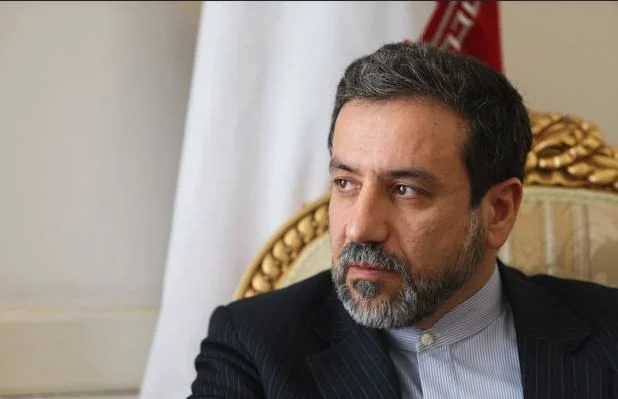
Iranian Foreign Minister Abbas Araghchi has described military cooperation between the United States and Israel as “parasitic”, accusing Washington of spending billions of dollars in taxpayer money on Israeli missile defence as the conflict involving Iran enters another tense phase.
In a post on X, Araghchi claimed that the United States had spent $11 billion on missile defence for Israel over the past three years, arguing that Washington had contributed more to intercepting incoming threats than Israel itself.
“The U.S. has over the past three years spent $11 BILLION in taxpayer money on missile defense for Israel. It has fired more interceptors defending Israel than Israel has. That is not a symbiotic relationship. It is a parasitic one.”
Abbas Araghchi
His remarks come less than two weeks before Americans vote in congressional midterm elections, with polling indicating significant public frustration over Washington’s involvement in conflicts in the Middle East.
US Senators Question War’s Cost And Objectives
The criticism also coincides with mounting domestic opposition to the war from Democratic Senators, who have questioned the administration’s objectives, the cost of the conflict and the risks facing American personnel.
US Senators Elizabeth Warren and Chris Murphy have separately criticised President Donald Trump’s handling of the war against Iran, raising concerns about its financial and human costs.
Warren said at least 23 US service members had been killed and more than $45 billion in taxpayer money spent during the conflict. “Nobody can seem to explain what this war has accomplished or when it will end,” Warren wrote, adding that the conflict was approaching its eighth month.
Her remarks questioned the administration’s ability to demonstrate clear results from the military campaign while explaining when hostilities might end.
Murphy also condemned the administration’s strategy, arguing that the United States entered the war without an effective plan to protect its personnel and overseas facilities.
“Trump started a war with Iran with no workable plan to protect our troops, diplomats or billion dollar bases.
“Every citizen should be furious about this. Just total, utter incompetence.”
Chris Murphy
The Senators’ comments add to the political pressure surrounding the conflict ahead of the midterm elections. Araghchi’s criticism similarly places the cost of supporting Israel at the centre of the debate over Washington’s military involvement in the region.
However, the claims made by the Iranian Foreign Minister and the Senators were presented in their respective social media posts and were not independently substantiated by the material provided.
Iran Reports Damage To Seven Tankers in Hormuz
Tensions have also intensified around the Strait of Hormuz, where Iran says seven oil tankers were struck and damaged, marking what it described as the waterway’s highest single-day toll since the United States and Israel began their war against Iran on February 28.
In a statement on Thursday, Iran’s Islamic Revolutionary Guard Corps (IRGC) said four of the vessels were transferring oil when they were targeted and caught fire overnight. The other three, it said, were disabled after striking mines.

The claims could not be independently verified. The report did not provide details about possible casualties or identify the flags under which the tankers were sailing.
The IRGC also warned that US military bases across the Middle East could become targets if Washington continued efforts to help commercial vessels navigate other parts of the strait.
“The US military must know that if this trend continues, the conflict will extend to its bases in the region. This is a serious warning.”
Iran’s Islamic Revolutionary Guard Corps (IRGC)
The Strait of Hormuz is a strategically important shipping route through which approximately one-fifth of global oil supplies passed before the war began. Its disruption has raised concerns about energy shipments and the potential consequences for international oil markets.
Iran claims control over the waterway and has regularly attacked ships attempting to navigate it without its authorisation, according to the supplied report.
The US military, meanwhile, has been escorting increasing numbers of vessels through the strait, with Iran responding by intensifying its attacks.
The escalating confrontation has also prompted Trump to accuse Iran of attempting to raise oil prices ahead of the US midterm elections.
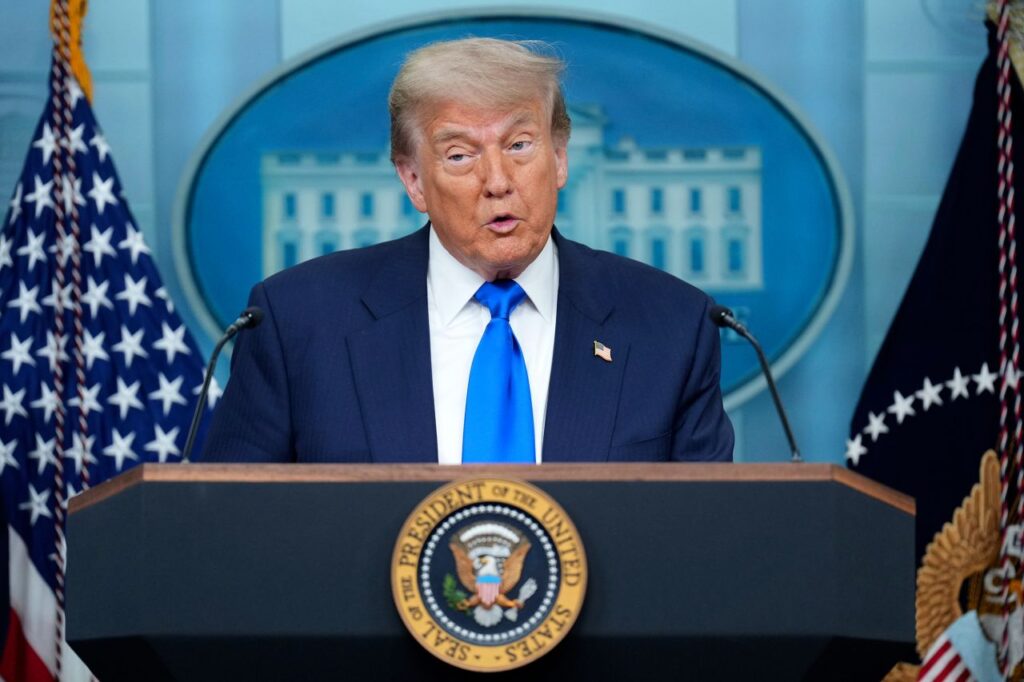
His remarks reflect growing concern in Washington over the potential political consequences of higher energy prices as voters prepare to elect members of Congress.
The combination of reported tanker attacks, threats against US bases and criticism of the war’s financial costs has placed the conflict under increasing scrutiny.
With tensions around the Strait of Hormuz continuing to rise, further attacks or retaliatory measures could deepen the security crisis and increase uncertainty surrounding global oil shipments.
READ ALSO: Sánchez Rules Out Moroccan Role In Ceuta Migrant Surge