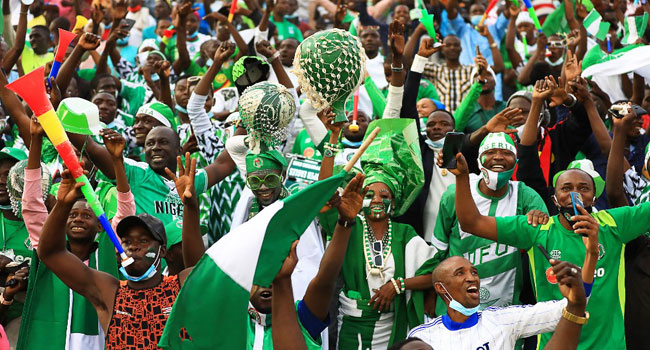
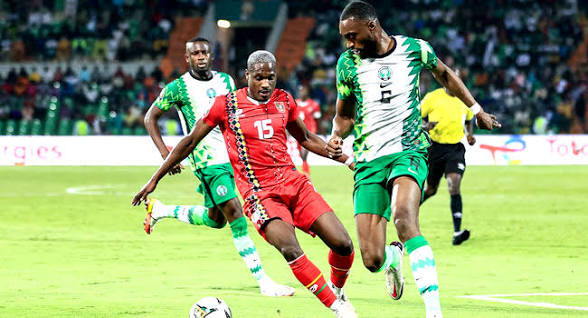
Nigeria’s 3-0 defeat to Guinea-Bissau in the 2027 Africa Cup of Nations qualifiers has raised questions about the current direction of the Super Eagles, with concerns extending beyond one damaging result.
The defeat came after Nigeria had opened their qualifying campaign with a 2-1 home victory over Madagascar, but the subsequent collapse in Guinea-Bissau has exposed concerns about the team’s consistency and fan support.
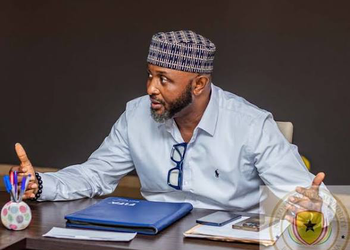
According to Nigerian football analyst and Nigerian Premier Football League commentator David Adesina Ayooluwa, the reaction among supporters has been mixed, with some remaining deeply attached to the national team while others are gradually losing interest. “At the end, some Nigerian fans are on the extreme love with regards to the connection to the team, while others are totally falling out of love with the Super Eagles of Nigeria,” Adesina said.
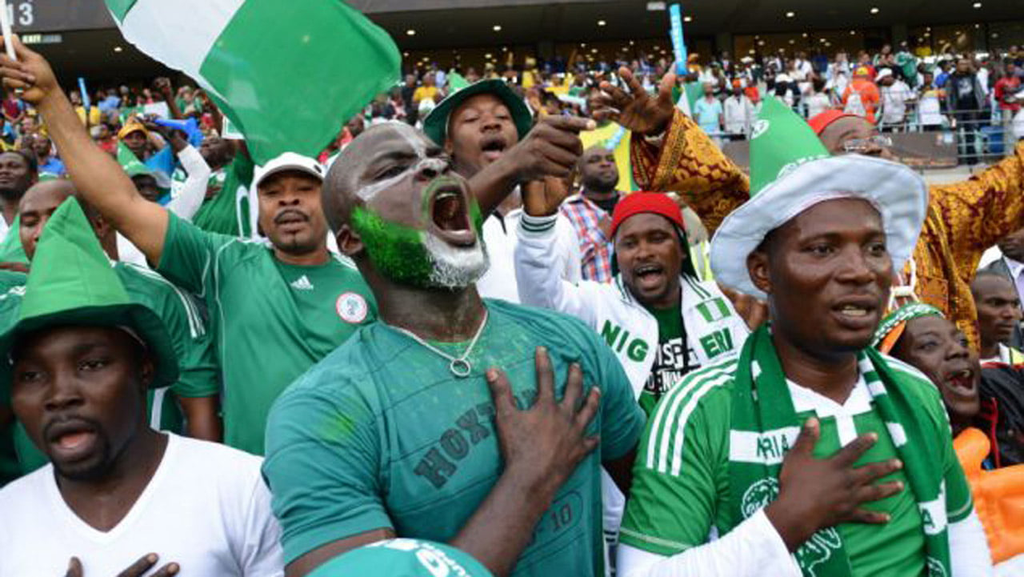
The changing relationship between supporters and the national team is particularly significant given Nigeria’s recent history.
The Super Eagles reached the final of the 2023 AFCON in Côte d’Ivoire before losing 2-1 to the hosts, while Eric Chelle subsequently guided the team to the semi-finals of the 2025 tournament in Morocco.
However, Nigeria failed to qualify for the 2026 FIFA World Cup after losing in the CAF play-off final, extending their absence from the global tournament after also missing the 2022 edition.
For Adesina, the latest defeat cannot simply be dismissed as an isolated bad day.
“Nigeria totally couldn’t even spread the right passes and we were absolutely poor against Guinea-Bissau. Rightly so, Bissau took advantage and won that game comfortably.”
Daniel Adesina Ayooluwa, NPFL Commentator and Analysts
The analyst raised that the playing surface in Guinea-Bissau could be cited for the result, but argued that Nigeria’s shortcomings went deeper.
He also pointed to the absence of Victor Osimhen as another factor in the team’s struggles, suggesting that Nigeria has developed a worrying tendency to suffer when the Galatasaray forward is unavailable.
“Because whenever Osimhen is not present, the team tends to suffer. We have witnessed that at this particular game,” Adesina said.
Chelle Still Has Support, But Patience Has Limits
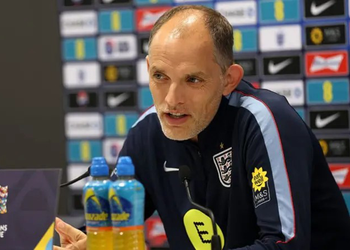
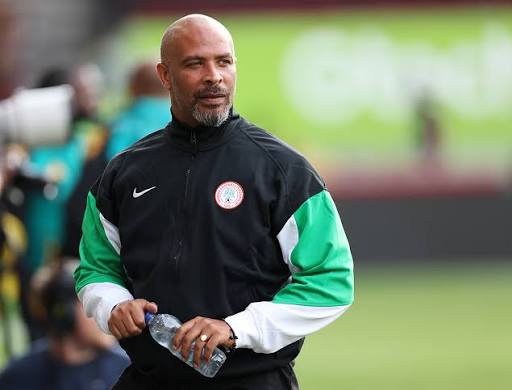
Despite the heavy defeat, Adesina believes Chelle has retained significant goodwill among Nigerian supporters because of what he achieved at the 2025 AFCON. “Right now, Nigerians trust him,” he said. “But with Nigerians, results often tell whether they will support you or continue to support you or lose that support.”
Chelle’s position is therefore supported by the recent semi-final appearance, but the Guinea-Bissau result has increased scrutiny around his tactical decisions and the expectations attached to his position.
Adesina also highlighted the financial expectations surrounding the coach, arguing that his reported remuneration places additional pressure on him to produce results.
The immediate opportunity for Nigeria to respond will come against Russia in a friendly on Tuesday, October 6. However, Adesina suggested that the level of emotional investment among supporters may not be what it once was.
He believes older supporters remain particularly committed to the Super Eagles, while younger fans have increasingly shifted their attention towards club football already. “The elderly now in the Nigerian society contribute more compared to the younger fans when it comes to those who are in love with the national team,” he explained.
He expects interest in the Russia game, but believes the intensity surrounding the fixture will depend largely on the individual supporter.
“They would still be looking to watch that game,” Adesina said. “But the investment level, the keen hunger to see Nigeria win, I don’t think others are as interested.”
The broader concern, therefore, extends beyond the result against Guinea-Bissau. Adesina believes Nigeria has gradually lost some of the fear factor it once carried across African football.
“We have seen Nigeria lose against smaller nations,” he said. “Nigeria has seemingly lost that fear factor that has been very evident in recent years.”

For him, rebuilding the Super Eagles requires more than changing coaches or reacting to individual results. According to him, “grassroots development, stronger football administration, coaching education and improved facilities” all need attention.
He also identified poor stadium infrastructure as another issue affecting both Nigeria and Ghana, arguing that better facilities are necessary for the two traditional West African football powers to regain their influence.
For Nigeria, the Russia friendly now provides an immediate chance to begin repairing the damage caused by the Guinea-Bissau defeat before the next assignments in AFCON qualifiers.
But the bigger challenge for the Super Eagles is rebuilding consistency and reconnecting with a younger generation of supporters whose enthusiasm for the national team, according to Adesina, can no longer be taken for granted.
READ ALSO: Bawah Mogtari: Ghana Must Invest in Legal Profession Responsive to Changing Needs