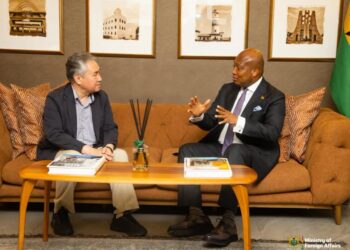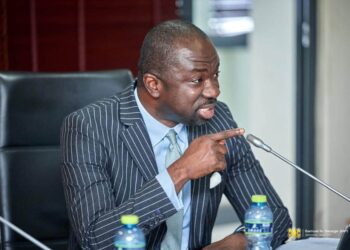
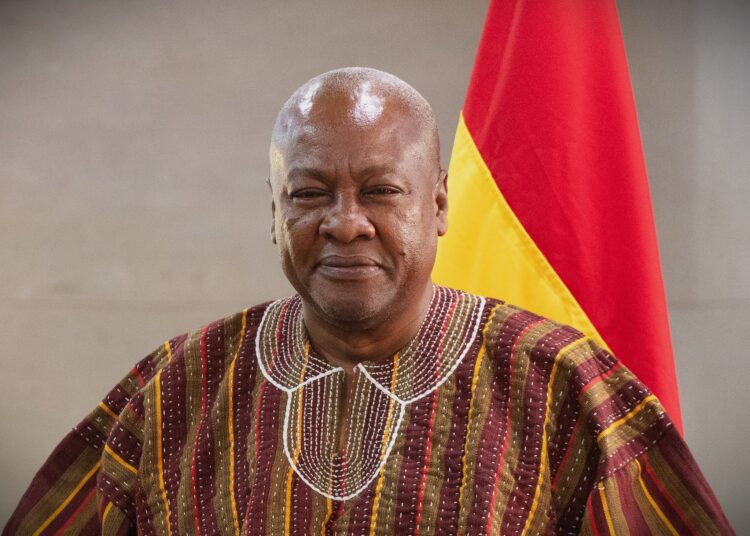
President John Dramani Mahama, through the Ministry of Local Government, Chieftaincy and Religious Affairs, has ordered Metropolitan, Municipal and District Chief Executives to answer directly to citizens at town hall meetings broadcast on local radio.
The directive, signed by Minister Mahama Ayariga and dated October 2, 2026, applies to regions where President John Dramani Mahama has already held the Presidential Accountability Series.
Each assembly must now run its own MMDA Accountability Series twice a year, which the Ministry describes as a follow-through to the presidential engagements. The Ministry says the move advances the Government’s commitment to transparency, accountability, citizen participation and responsive local governance.
A Local Follow-Through to the Presidential Series
The directive says the President has instructed chief executives in the affected regions to organise matching engagements in their own jurisdictions. The Ministry wants these meetings to turn national accountability into direct accountability at the metropolitan, municipal and district levels.

The document does not list the regions covered, and chief executives in regions the President has not yet visited fall outside the current order.
The directive sets a broad agenda. Chief executives must report on how their assemblies have performed against the approved Medium-Term Development Plan and Annual Action Plan, and on the rollout of government flagship programmes.
They must account for the District Assemblies Common Fund, Internally Generated Funds and other public resources, along with infrastructure and development projects.
The list continues into sanitation, waste and environmental management, education, health, social protection and local economic development, as well as revenue mobilisation and expenditure.
Employment, youth development, disability and vulnerable group interventions, and security and disaster management also appear. Chief executives must further report on the status of Assembly commitments, challenges that need regional or national intervention, and priorities for the next implementation period.
Live Radio Broadcast and Public Questions
The Ministry wants wide participation. Traditional authorities, Members of Parliament, Assembly Members, religious leaders, organised labour, civil society groups, youth and women’s groups, persons with disabilities, business groups, the media and ordinary residents should take part where appropriate.
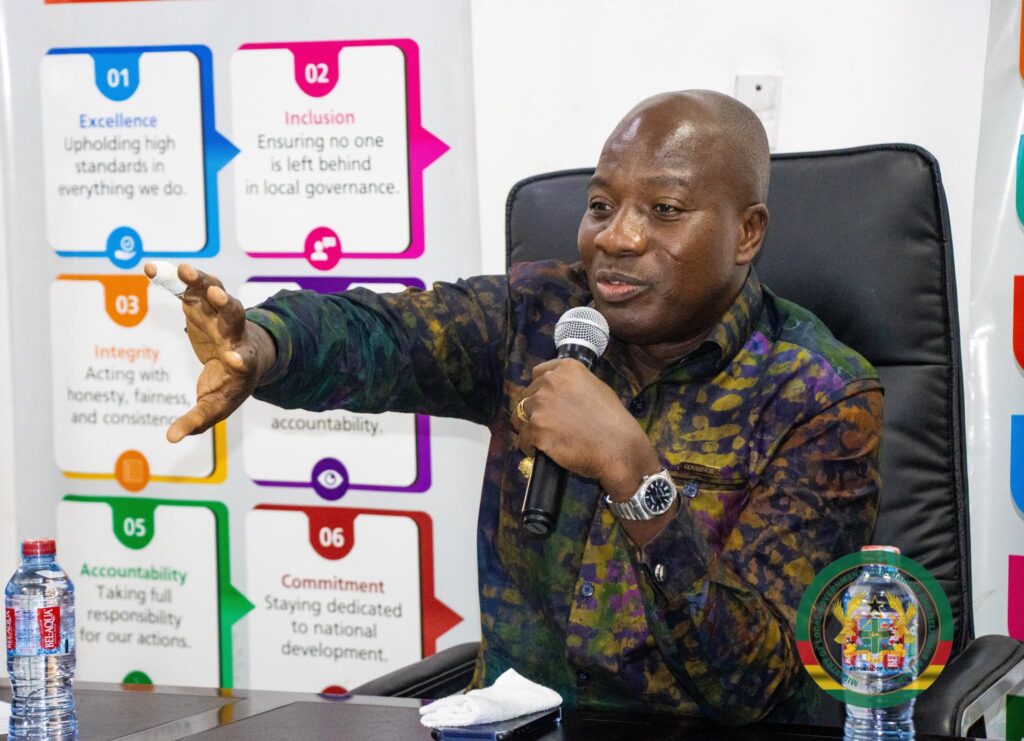
Members of the public must have adequate opportunity to ask questions and seek clarification on how their assembly has performed. To widen reach, the directive states that “every MMDA Accountability Series shall be broadcast live on a local FM radio station or stations with effective coverage within the jurisdiction of the MMDA.”
The broadcast should cover the whole event, allow live interaction where technically feasible, and use a language most residents understand. Assemblies must record and keep the programme, and those served by several significant stations are encouraged to use more than one.
Reports, Deadlines and Ministry Oversight
Each assembly must prepare an Accountability Series Report immediately after the meeting. The report must record the date and venue, the FM stations that carried the event, the estimated audience, the key issues citizens raised, the responses given and the commitments the chief executive made.
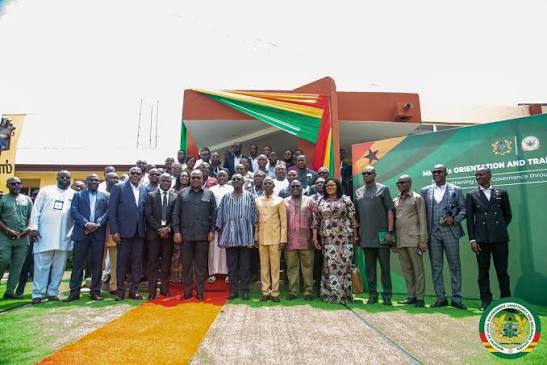
It must also list unresolved issues that need regional or national action, include photographs and documentation, and present an action matrix naming responsible persons and timelines. Assemblies must send the report and evidence of the broadcast to the Regional Coordinating Council and the Ministry within seven working days.
Regional Coordinating Councils will coordinate and monitor the exercise, check the quality and inclusiveness of each engagement, and send a consolidated regional report to the Ministry. The Ministry will also make monitoring visits and may take part in selected engagements.
Schedule, Budget and Personal Responsibility
Chief executives must begin preparing immediately. The Regional Coordinating Councils will communicate the schedule, which should fall within a reasonable period after the Presidential Accountability Series in the region and avoid clashes between neighbouring assemblies so the media can cover each event.
Assemblies must fund the exercise and the live broadcast from their approved budgets. The Ministry calls the directive a priority assignment and expects every chief executive to lead the process personally.
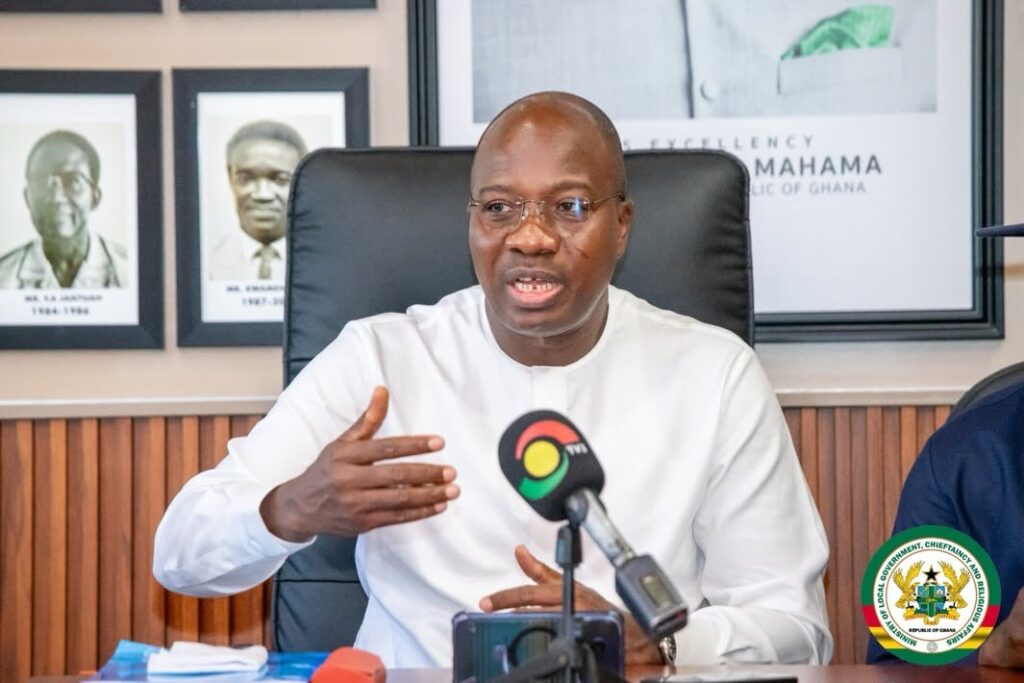
The Ministry says it looks forward to “a comprehensive, open and citizen-centred engagement that will deepen accountability and strengthen public confidence in local governance.” The hard part is follow-through.
Residents will judge the series by whether chief executives answer difficult questions, whether commitments carry timelines, and whether unresolved issues reach regional and national levels.
The action matrix and the seven-day reporting rule give citizens and civil society something concrete to track. Residents who attend can compare the promises recorded in each report with what their assembly delivers in the months that follow.