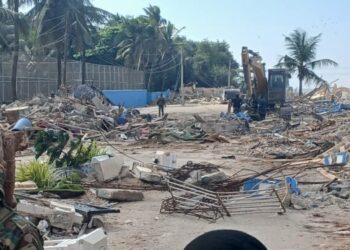
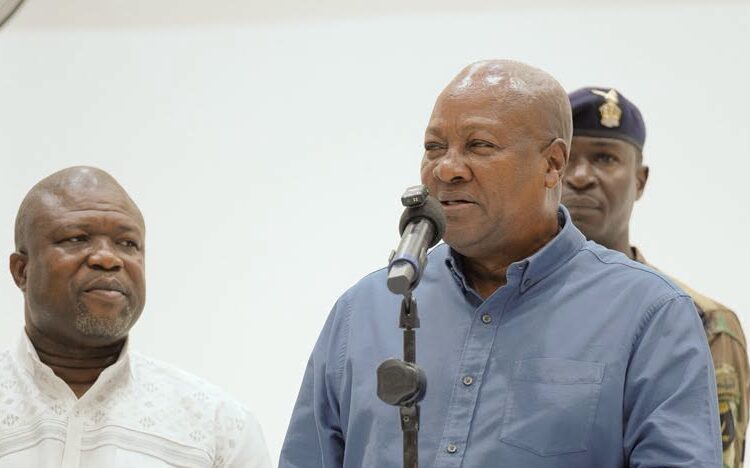
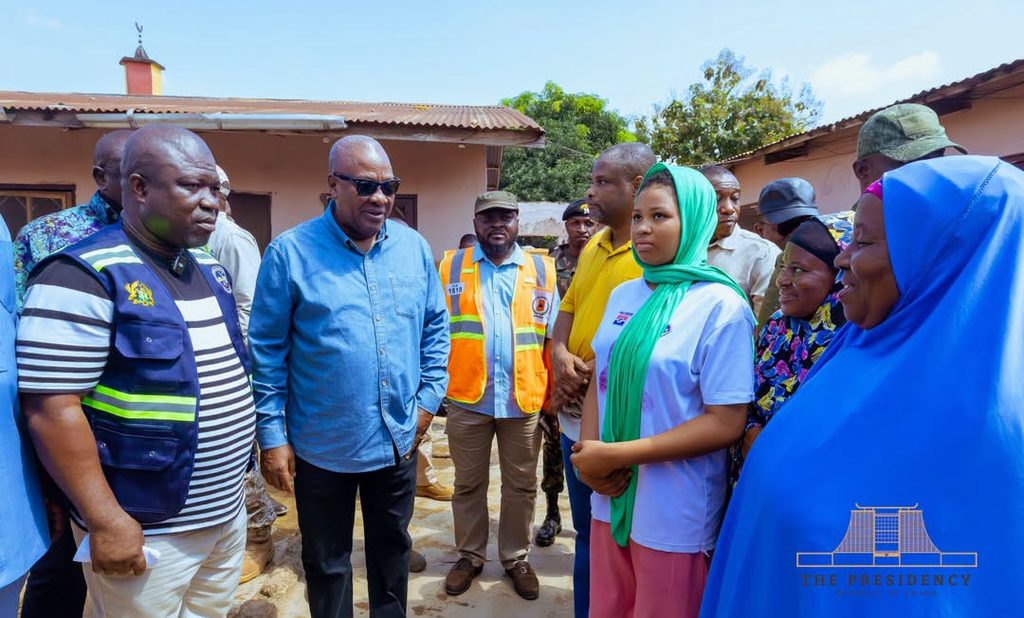
President John Dramani Mahama has linked the flooding in Hohoe in the Volta Region to climate change and the extreme weather it produces. He made the remarks while touring flooded communities, mostly in Hohoe Zongo and other settlements by the river, after returning from the United Nations in New York.
President Mahama said rainfall across the border in Togo sent water down the River Dai into the low-lying parts of the municipality. A World Weather Attribution assessment, summarised by the United Nations in Ghana, found that human-induced climate change intensified the extreme rain behind June’s deadly floods in coastal West Africa.
President Mahama framed the disaster in broad terms. He told residents: “There is something we call climate change, and so it is leading to what we call extreme weather phenomena.” He stressed that floods of this kind are not routine: “This is not something that happens every year.”
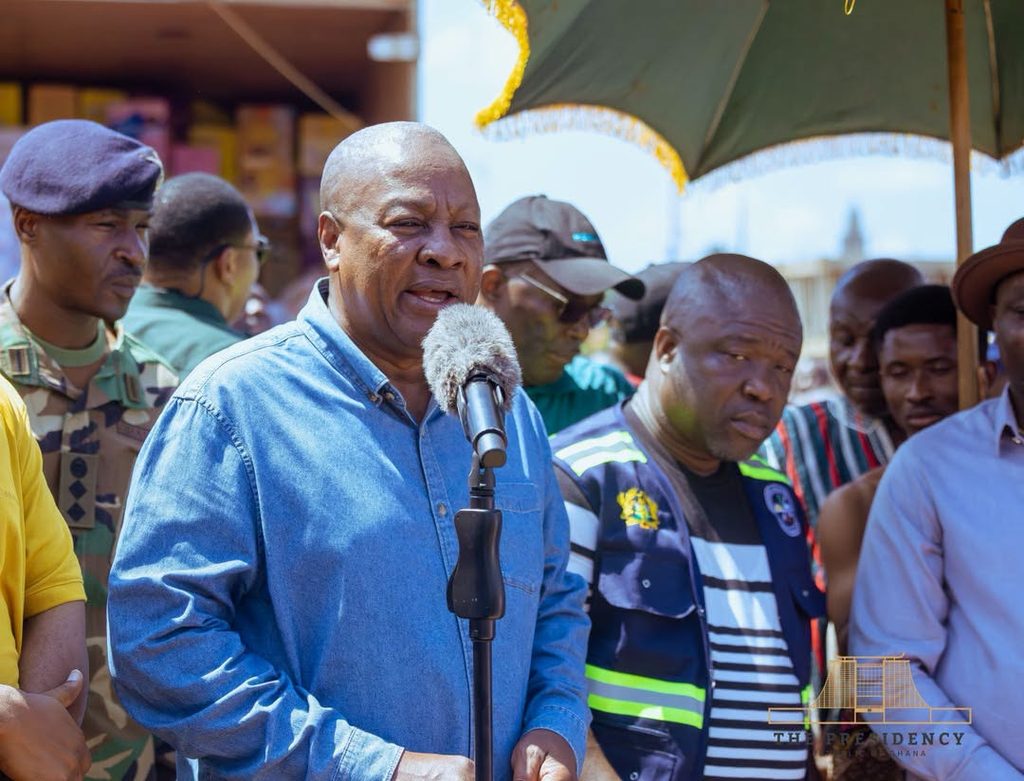
He described a weather pattern that swings between extremes, with rain falling excessively at some times and failing altogether in periods of drought. His conclusion was blunt: “So now you can’t predict how the weather will behave.”
A River Swollen by Rain Across the Border
The President said he was informed that continuous rainfall in Togo brought a lot of water down the River Dai and flooded the low-lying areas of Hohoe. Those areas are mostly Hohoe Zongo and other communities along the riverbank. His account of the rain in Togo is secondhand, and he offered no rainfall figures on the day.
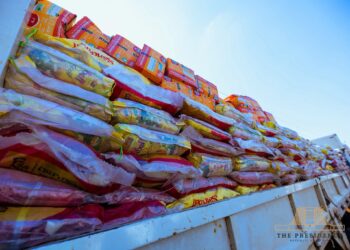
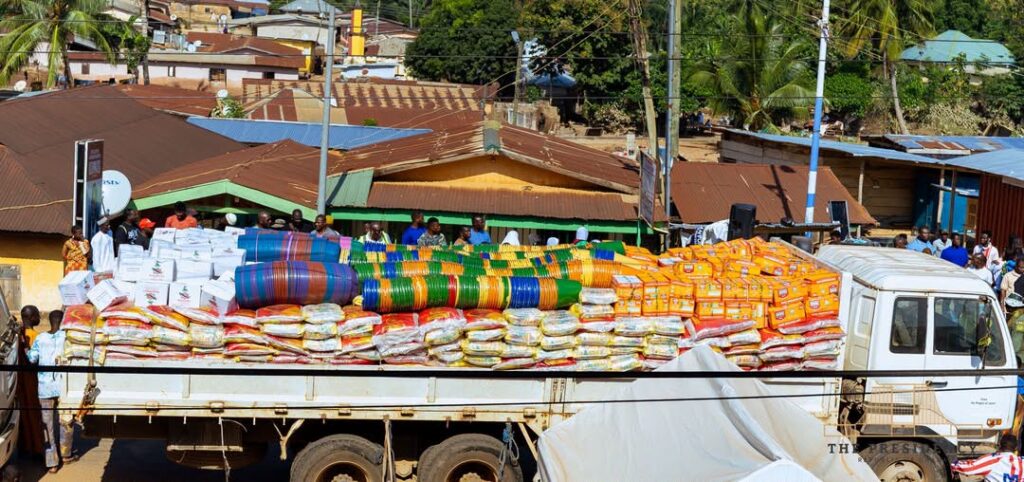
President Mahama went with help as well as an explanation. The Presidency sent 2,500 bags of rice, 1,250 blankets and 243 mattresses, among other items. Volta Regional Minister James Gunu said an ad hoc committee of assembly members, traditional authorities and victims’ representatives will share them among affected households.
The assessment concerns the June floods that hit Ghana, Togo and Côte d’Ivoire and killed nearly 100 people. According to the United Nations summary published on July 16, historical records show rainfall intensity rose by up to 23 percent, while climate models point to an increase of at least 4 percent.
The scientists said the intense three-day rainfall is now about five times more likely than in a pre-industrial climate. They added that similar episodes are now expected every two to four years.
Simon Stiell, Executive Secretary of UN Climate Change, said there is “nothing normal about these devastating floods.” He tied the floods to the burning of oil, coal and gas, and called for faster movement to clean energy, investment in climate resilience and protection of forests.
A return every two to four years is not annual, but it is frequent enough to change how communities plan for floods. The finding backs the direction of the President’s claim that extreme rainfall is becoming more common.
What the Assessment Does Not Say About Hohoe
The study supports the direction of President Mahama’s claim, but not every detail. The UN summary covers the June floods across coastal West Africa and does not mention Hohoe, the River Dai, or the Volta Region.
President Mahama presented no rainfall data himself, and his account of the Togo rain remains secondhand. A formal assessment of the River Dai flooding from the weather and hydrological authorities would settle the question for Hohoe.
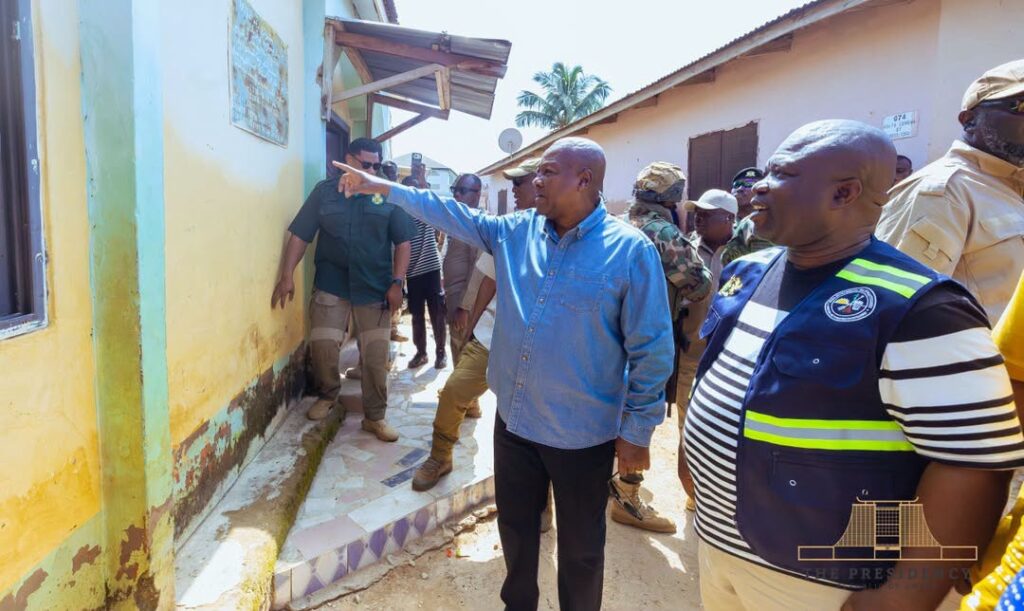
The practical question for riverside communities is where and how to rebuild. Hohoe MP Thomas Worlanyo Tsekpo asked that support for rebuilding follow the donations, so that families whose homes collapsed can return to their communities.
The Presidency’s relief items, a pledge of 5,000 bags of cement and cash for affected households, address the immediate need. If the scientists are right that heavy rain will return every few years, the test is whether the rebuilding now planned leaves Hohoe better protected than before.
READ ALSO: Tullow Signals Further Engagement After Ghana Tax Ruling