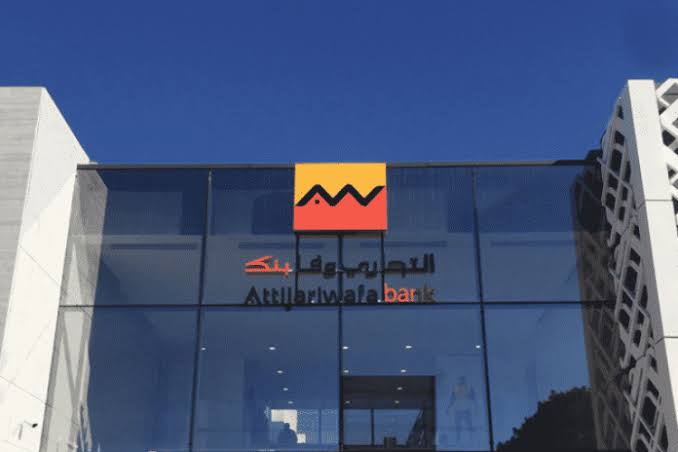
The Bank of Ghana (BoG) has issued a “No Objection” to the proposed takeover of Société Générale Ghana by Morocco-based Attijariwafa Bank, bringing the pan-African banking group significantly closer to establishing a stronger presence in Ghana’s banking sector.
The regulatory decision represents a critical milestone in a transaction that will see Attijariwafa Bank become the majority shareholder of Société Générale Ghana, subject to the completion of the remaining regulatory processes.
The proposed transaction follows an agreement announced by Société Générale Group on October 1, 2026, under which the French banking group agreed to divest its entire 60.22% controlling stake in its Ghanaian subsidiary.
Attijariwafa Bank is expected to acquire 55.22% of Société Générale Ghana, while the Social Security and National Insurance Trust (SSNIT) will acquire an additional 5% stake.
The development could significantly reshape the ownership structure of one of Ghana’s long-established commercial banks.
Attijariwafa’s financial strength weighs heavily
Sources familiar with the regulatory process indicate that Attijariwafa Bank’s financial strength was among the factors considered by the Bank of Ghana before issuing its approval.
The Moroccan banking group has substantial financial capacity and a broad African footprint, positioning it to participate in large-scale financing transactions and support the continued operations and expansion of Société Générale Ghana.
The regulator is also understood to have considered the potential impact of Attijariwafa Bank’s entry on competition within Ghana’s commercial banking sector.
The arrival of another major international banking group could introduce fresh capital, expertise and strategic capacity into the market, while potentially intensifying competition for corporate, institutional and retail customers.
Another important consideration was the absence of objections from existing shareholders.
It is understood that none of the shareholders, including Ghanaian shareholders, raised concerns about the proposed takeover. These factors contributed to the Bank of Ghana’s decision to issue the “No Objection” to the transaction.

SEC approval remains critical
Although the Bank of Ghana has cleared a major regulatory hurdle, the takeover is not yet complete.
Société Générale Ghana is listed on the Ghana Stock Exchange, having entered the local capital market in 1995 under the name Social Security Bank. Consequently, the transaction also requires the necessary approvals from the Securities and Exchange Commission, particularly concerning the transfer of shares and other developments linked to the listed company.
Securing the relevant approvals would allow the parties to proceed towards completion of the transaction.
The proposed ownership structure means Attijariwafa Bank will emerge as the new majority shareholder, while SSNIT will strengthen its position as a significant Ghanaian shareholder.
SSNIT currently owns 19.36% of Société Générale Ghana. Its additional 5% acquisition will increase its holding to 24.36%.
The change will effectively mark the end of Société Générale Group’s controlling interest in the Ghanaian bank after more than two decades of ownership.
Jobs and Ghanaian management in focus
Beyond ownership, attention has also centred on what the transaction could mean for employees and the bank’s existing operations.
Discussions around the transaction have included an aim to protect jobs at Société Générale Ghana. There are also indications that assurances have been secured allowing some top management positions to remain in the hands of Ghanaians.
That could help limit disruption as the bank transitions from French ownership to Moroccan majority ownership.
Société Générale Ghana currently operates a network of 40 branches and outlets across the country. Its established customer base, workforce and branch infrastructure provide Attijariwafa Bank with an existing platform from which to expand its Ghanaian operations.
Rather than building a banking operation from scratch, the Moroccan group will inherit an established institution with decades of experience in Ghana.
A new chapter after decades of French ownership
The transaction represents another major chapter in the long history of Société Générale Ghana.
The bank was incorporated on February 7, 1975, as Security Guarantee Trust Limited and was wholly owned by SSNIT. It later became Social Security Bank Limited before receiving its banking licence from the Bank of Ghana in September 1976.
The institution was officially opened to the public in January 1977.
Its ownership structure changed significantly over the following decades. Société Générale acquired a controlling 46.7% stake in SSB Bank in March 2003, making the institution a subsidiary of the French banking group.
Société Générale subsequently increased its stake to 51% through a tender offer in July 2003. The bank became SG-SSB in March 2004 before eventually adopting the name Société Générale Ghana in March 2013.
Further rights issues enabled Société Générale to increase its controlling interest over time, eventually reaching 60.22%.
That entire stake is now being divested.
Attijariwafa’s African ambitions gain momentum
The proposed takeover gives Attijariwafa Bank an opportunity to deepen its footprint in one of West Africa’s most established banking markets.
The group already has a significant pan-African presence, and Ghana provides access to a market with established financial infrastructure, a sizeable corporate sector and growing demand for banking services.
The acquisition could therefore become more than an ownership change. It could signal a fresh phase of investment, competition and strategic repositioning within Ghana’s banking industry.
With the Bank of Ghana’s “No Objection” now secured, attention shifts to the remaining approvals. Once those processes are completed, Attijariwafa Bank will assume control of Société Générale Ghana, marking a major change in the bank’s ownership and opening a new chapter in its nearly five-decade history.
READ ALSO: Ghana’s Refining Bet Faces A Test Beyond TOR