France’s human rights watchdog has called on the government to strengthen dialogue with young people and protect their right to peaceful protest as nationwide high school demonstrations over education conditions continue to intensify.
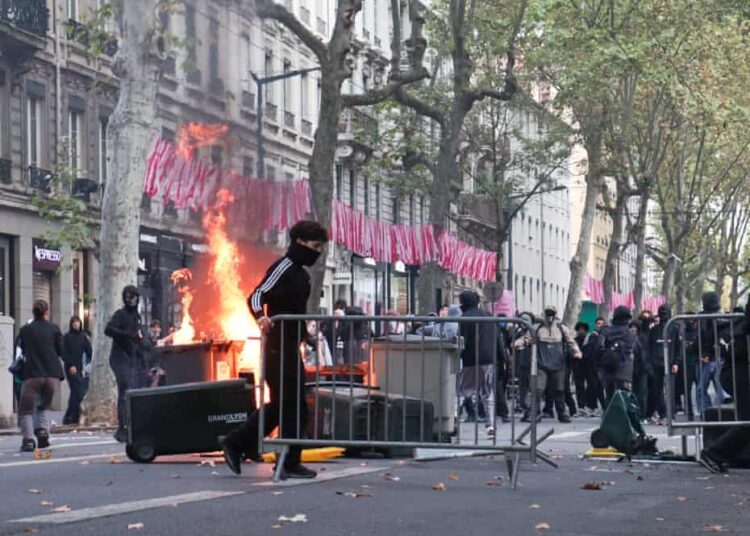
The French National Consultative Commission on Human Rights (CNCDH) expressed concern about what it described as the “disproportionate use of force and procedural abuses” by police during the protests, which began in the Paris region in September before spreading to cities and towns across the country.
The commission said that freedom of expression and peaceful assembly were fundamental rights and warned that restricting those freedoms could deepen distrust between young people and law enforcement.
“It is upon public authorities to urgently restore channels of communication and dialogue with the student movement, representative organisations, and the entire educational community.”
French National Consultative Commission on Human Rights (CNCDH)
It also called for restraint from police, saying any response to demonstrations should remain “targeted, necessary, proportionate” and take account of the nature of the group involved.
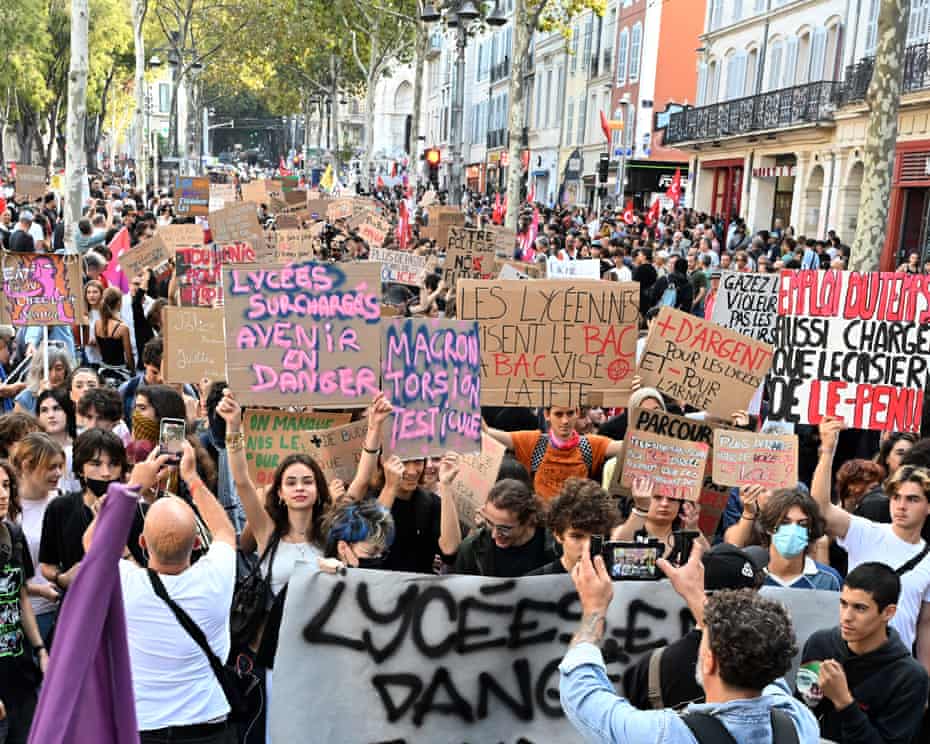
The intervention came as students, teachers and parents joined demonstrations across France today, in what has become the largest day of mobilisation since the protests began. Students blockaded hundreds of high schools while tens of thousands of demonstrators marched in cities including Marseille, Nantes and Lyon, with a major rally expected in Paris.
The protests began at a high school in the Paris region in mid-September, with students demanding increased funding and improvements to deteriorating educational facilities. Their grievances include teacher shortages, overcrowded classrooms, lengthy school days and inadequate infrastructure.
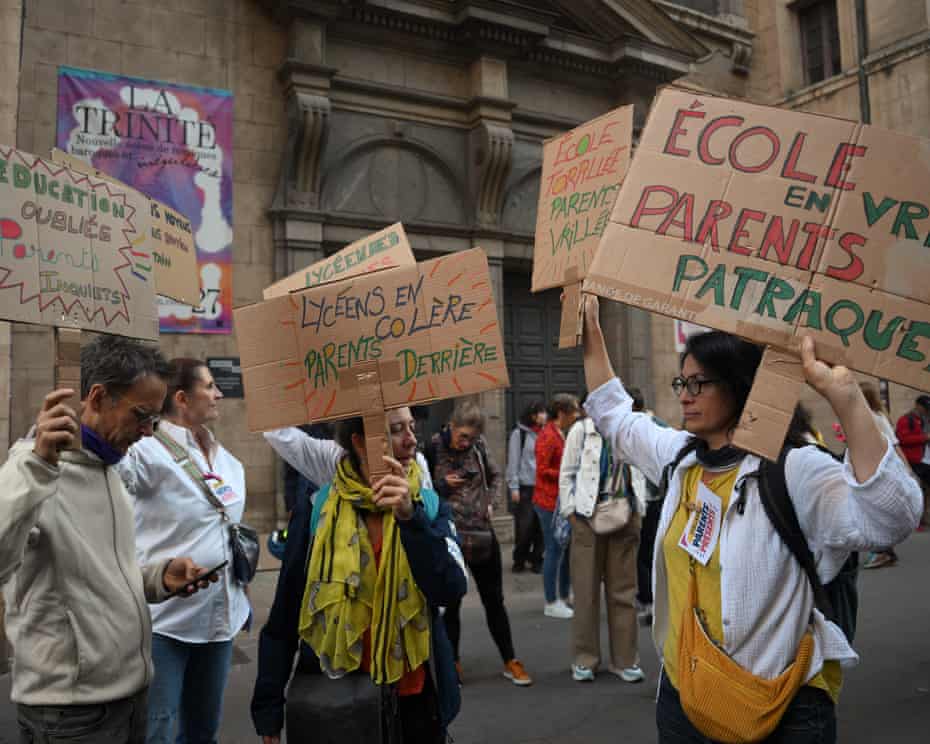
Students in disadvantaged areas have particularly highlighted rundown classrooms, insufficient desks and chairs, excessive heat during summer and, in some cases, rodent infestations. They have also complained about staff shortages and heavy workloads.
The demonstrations have increasingly focused on police tactics following a series of serious injuries involving young protesters. A 15-year-old in northern France lost his hand during clashes with riot police on Monday after reportedly picking up a police dispersal grenade. Other teenagers have suffered serious injuries, including one who reportedly lost an eye. Several investigations into possible police misconduct are underway.
The government has defended the police response, arguing that officers have faced violent attacks and must maintain public order. Interior Minister Laurent Nuñez said that the police response had been proportionate in “almost all cases.”
Authorities say more than 6,100 people have been arrested since the protests began, most of them minors, while 715 police officers and 215 teenagers have been injured, according to figures cited by the government.
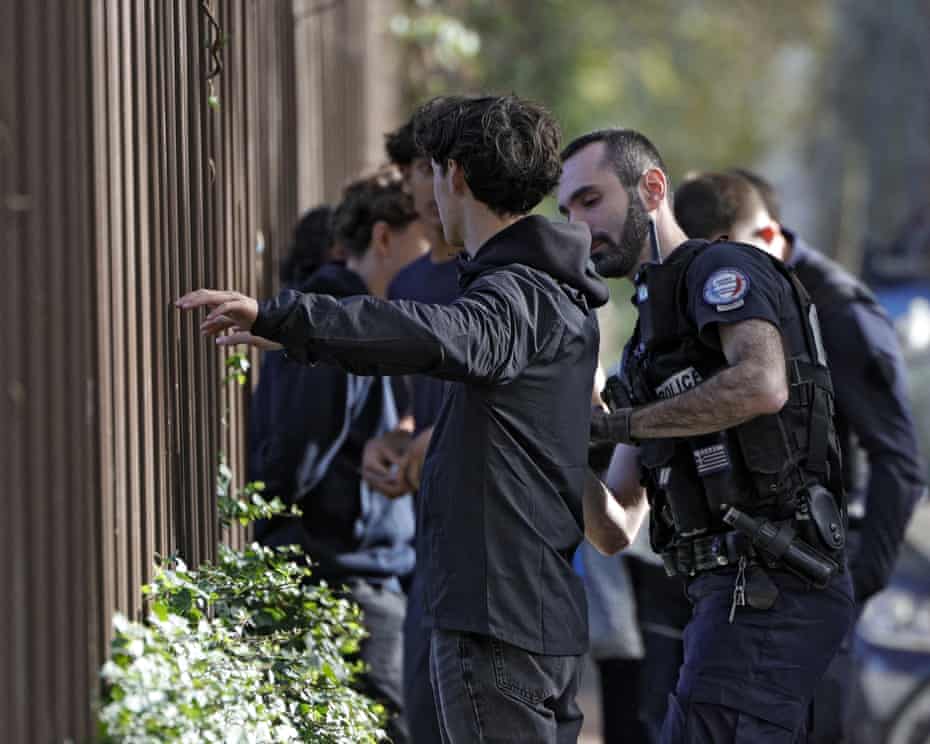
The scale of the arrests has intensified criticism from parents, teachers and human rights organisations, who have questioned the use of tear gas, riot-control weapons and mass detentions against predominantly young demonstrators.
Amnesty International separately called on French authorities to de-escalate tensions, saying police responses to peaceful demonstrations must be lawful, necessary and proportionate.
Education Minister Édouard Geffray said that the government was focused on addressing the students’ concerns but warned that the movement had been “infiltrated” by what he called “ultra-violent elements.”
Lecornu Calls For Action On Student Demands
Prime Minister Sébastien Lecornu called for “peaceful gatherings” as students prepare for continued mobilisation, while ordering his Ministers to respond to some of the movement’s central demands.
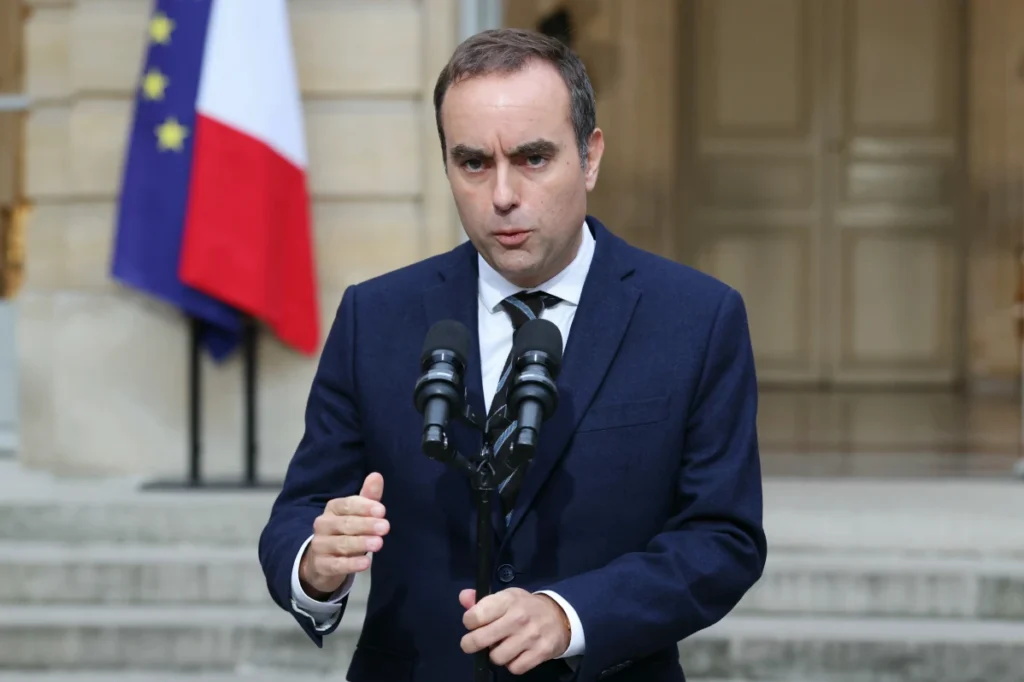
Lecornu instructed Ministers to examine proposals to ensure absent teachers are replaced, review the length of the school day and consider longer lunch breaks. The government is also examining repairs to ageing school buildings, with Lecornu asking ministers to submit initial proposals by the end of October. However, the measures could prove difficult to finance as France faces significant pressure over its public finances.
The Prime Minister’s intervention represents an attempt to address the underlying grievances driving the protests while urging demonstrators to avoid violence and disruption.
However, the government faces financial constraints as it seeks to respond to the demands. France is already under pressure to reduce its budget deficit, while concerns over public debt have contributed to higher borrowing costs.
The protests are consequently placing additional pressure on Lecornu’s government to demonstrate that it can respond to the concerns of young people while maintaining public order and managing the country’s strained finances.
READ ALSO: Trump Halts Taxpayer Funding for Campaign-Style TV Ads