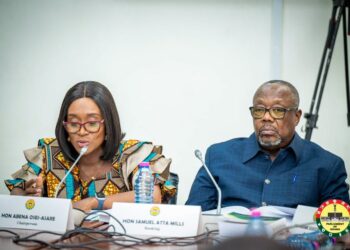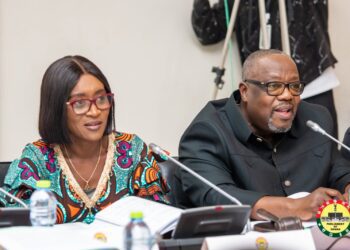
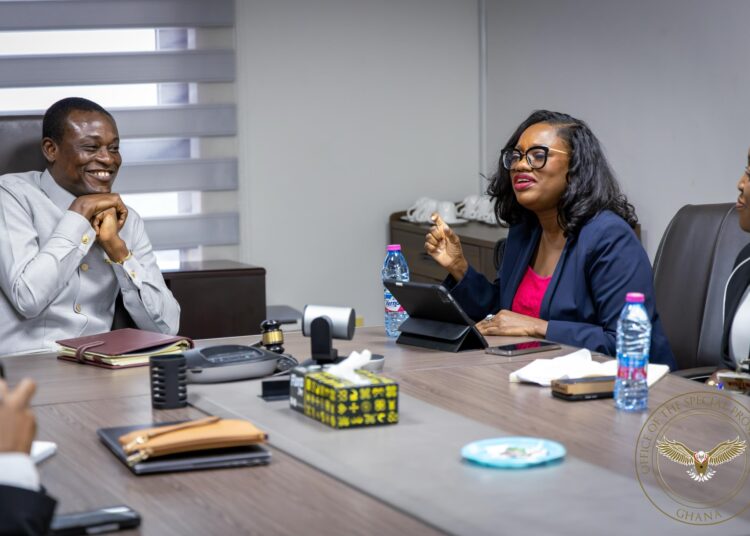
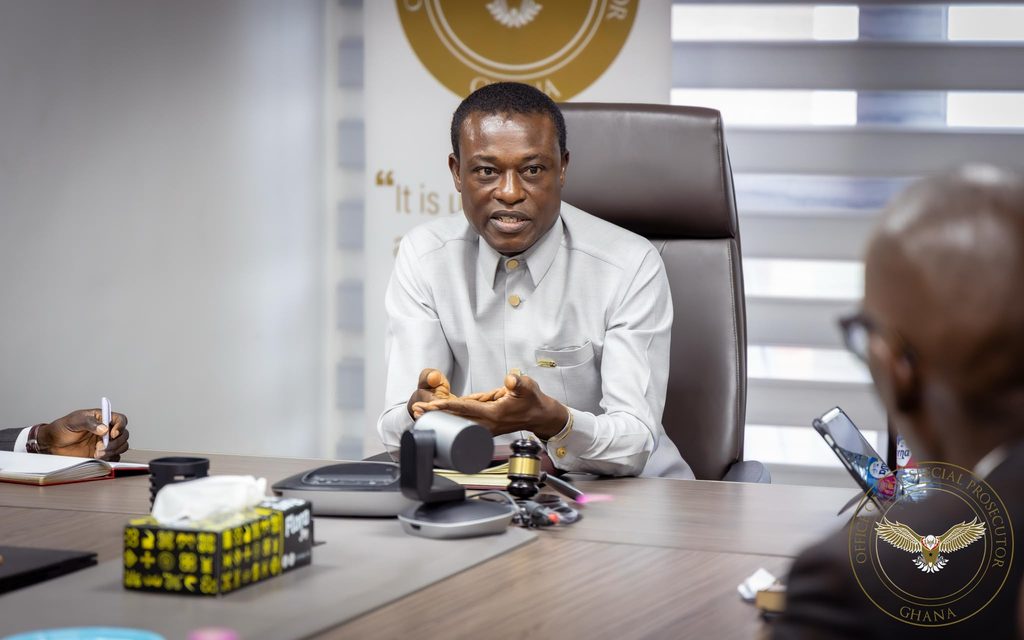
The Office of the Special Prosecutor (OSP) and the Ghana Audit Service have discussed ways to strengthen cooperation in using audit findings to fight corruption. Auditor-General Dr. Pamela Graham led a delegation from the Audit Service to the OSP for an engagement with Special Prosecutor Kissi Agyebeng.
The two institutions examined how their mandates and expertise can complement each other. Their aim is to make sure concerns arising from the management and use of public resources get proper institutional attention, and that public funds stay protected.
Two Institutions With Complementary Mandates
The meeting centred on a simple idea: auditors find problems, and prosecutors can act on them. The Audit Service examines how public money is managed, while the OSP investigates and prosecutes corruption and corruption-related offences. Both sides agreed that the two roles work best when they support each other.
Mr Agyebeng described the relationship between the two mandates as closely connected, saying the institutions are “tied at the hip” in the discharge of their responsibilities. He pointed to the formal links between the two bodies, including the representation of the Ghana Audit Service on the previous OSP Board.
Dr. Graham, who was sworn in as Auditor-General in July, restated the mandate of the Audit Service. She stressed that cooperation with the OSP is important for safeguarding public funds.
Agyebeng Calls for Mutual Accountability
The Special Prosecutor went beyond cooperation and argued that the institutions should hold each other to account. He said this must happen within their respective mandates and in the public interest.
His position fits a wider debate about the strength of Ghana’s anti-corruption institutions. The OSP has been central to that conversation since it began work, and The Vaultz News has followed its anti-corruption efforts closely.
More recently, Dr Osae Kwapong urged that the OSP be entrenched in the Constitution to protect it from repeal. Mr Agyebeng told the delegation that cooperation between bodies with complementary responsibilities is vital to strengthening Ghana’s accountability architecture.
Audit Recommendation Tracker Set for October Launch
Dr. Graham used the engagement to highlight the Audit Recommendation Tracker, an initiative the Ghana Audit Service is developing. It is scheduled for launch in October.
The tracker will let the Audit Service and the public monitor how public institutions implement audit recommendations. It will also help them assess how far those recommendations have been acted upon.
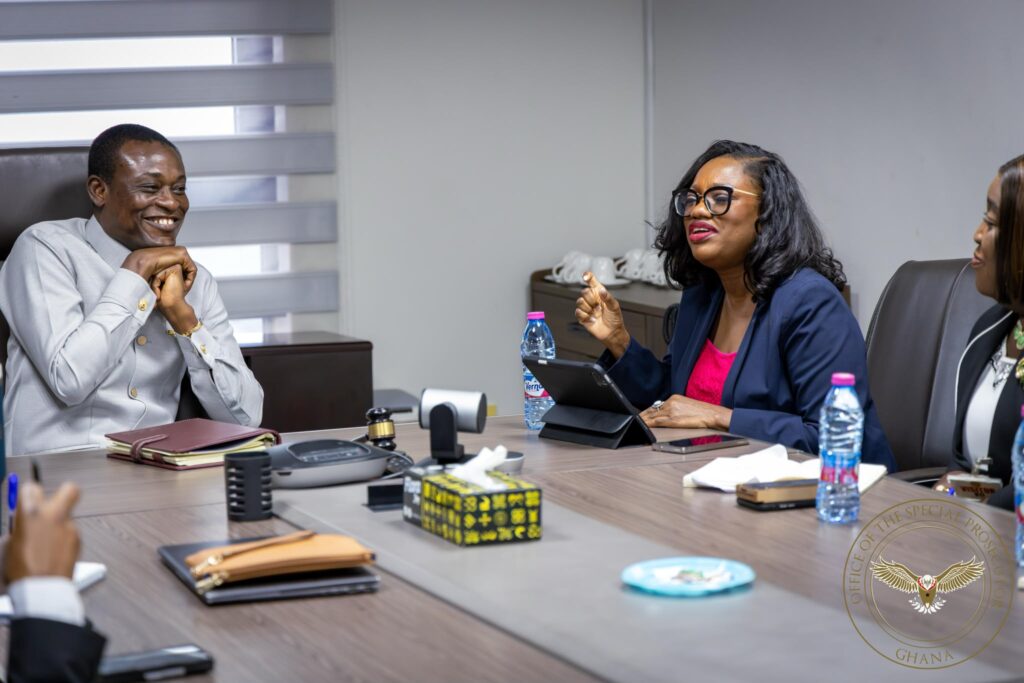
Audit reports often raise sharp questions about how public money is spent, yet the real test comes afterwards, when institutions are expected to fix what auditors flagged.
Dr. Graham said publishing tracker information on the Audit Service’s website would give greater visibility to the implementation of recommendations. In her view, that openness would help ensure audit findings lead to corrective action rather than gathering dust.
The tracker is also expected to serve other accountability bodies. Public institutions and agencies such as the OSP can draw on it as an additional source of information while they carry out their own mandates.
For an anti-corruption body, a clear public record of which recommendations were ignored could help point investigators toward areas that deserve a closer look.
Delegation and Next Steps
The Auditor-General was accompanied by four Deputy Auditors-General.
They were Mrs Roberta Asiamah Appiah of the Commercial Audit Department, who also oversees the Central Government Audit Department; Mr George Swanzy Winful of the Local Government Audit Department; Madam Eugenia Shorme Nortey of the Educational Institutions Audit Department; and Mr Samuel Frimpong Manso of the Performance and Special Audit Department. Other support staff joined them.
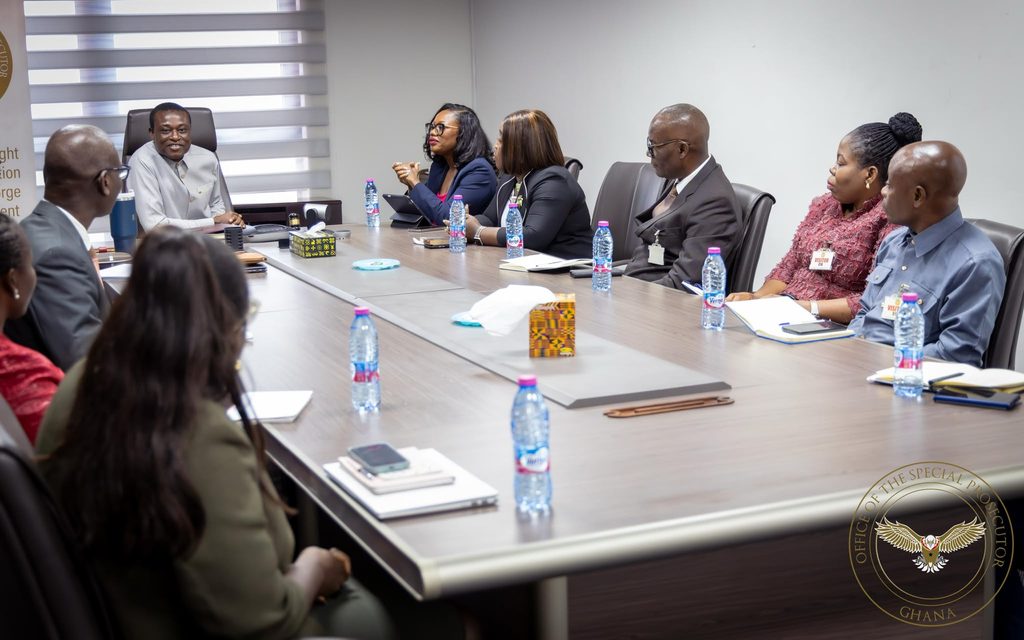
The presence of so many senior officials signals how seriously the Audit Service treats the partnership. Each department covers a different part of the public sector, from central government to local assemblies and educational institutions. Together, they hold detailed knowledge of where public resources flow and where they can leak.
The engagement ended with both institutions reaffirming their commitment to stronger cooperation within their respective mandates. They said the goal is to promote accountability and protect public resources.
Attention now turns to October, when the Audit Recommendation Tracker is due to go live. Its launch will show whether audit findings can be matched with visible action, and whether the closer working relationship between the OSP and the Audit Service produces results the public can see.
READ ALSO: Ivorian Winger Diomande Earns Golden Boy Award Nomination