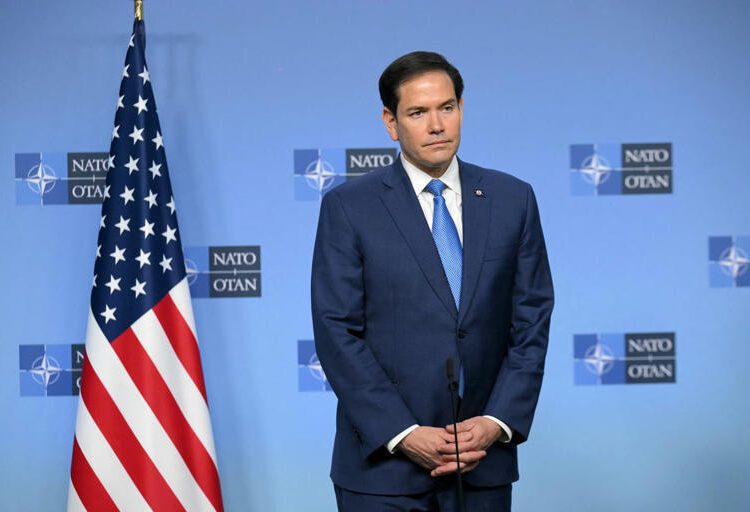
US Secretary of State, Marco Rubio has described Iceland as a strategically important partner in the North Atlantic and Arctic regions as Washington seeks closer cooperation with the NATO ally on security, energy, technology and trade.
Rubio made the remarks during a visit to Reykjavik today, October 6, as he began a three-nation tour of NATO allies that will also take him to Greece and Portugal. His visit focused on strengthening the US-Icelandic relationship at a time when Washington is placing greater emphasis on security in the High North.
Rubio met Icelandic Prime Minister Kristrún Frostadóttir and Foreign Minister Þorgerður Katrín Gunnarsdóttir. He also toured Höfði House, the historic site of the 1986 Reykjavik Summit between then-US President Ronald Reagan and Soviet leader Mikhail Gorbachev. The location holds particular significance as the meeting is widely associated with diplomatic efforts that helped bring the Cold War closer to an end.
Speaking alongside Gunnarsdóttir, Rubio said that Iceland’s geographic position gives it an important role in regional defense planning. He said that the country’s location between North America and Europe and within the High North places it at the “center of many of the questions surrounding the security and defense of our shared region.”
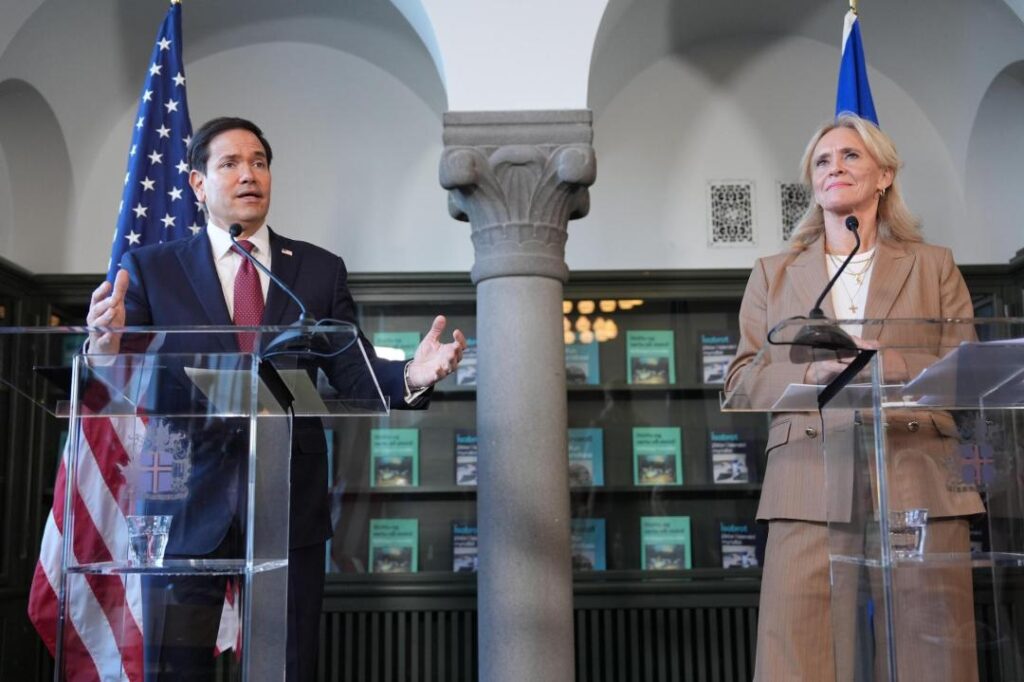
Rubio added that “today, those threats are growing,” making greater attention to the Arctic and Iceland increasingly important.
The US Secretary of state pointed to growing geopolitical competition across the polar region, saying “potential adversaries and real competitors,” as well as associated commercial entities, are operating in ways that affect allied interests. He argued that military deterrence remains “the best prevention of violence and the best preventer of war.”
His comments come as the United States and its NATO partners continue to focus on the strategic importance of the Arctic and North Atlantic. Iceland’s location gives it significance for monitoring and securing maritime routes and the wider northern approaches to Europe and North America.
Rubio Open To Closer US-Iceland Defense Cooperation
Rubio stressed that the United States would work with Reykjavik rather than act independently when asked whether Washington could increase its military presence in Iceland,
He said that Washington “would never do anything without cooperating” with Iceland and that there was “a willingness to do more together.” He added that the US would be open to discussions about what the two countries could do jointly.
The United States maintained a permanent military presence in Iceland for decades before closing its Keflavik base in 2006 as American strategic priorities changed. Rubio said that those priorities had shifted again, raising the possibility of renewed discussions about the scope of bilateral security cooperation. The existing US-Iceland defense relationship is based on a 1951 bilateral agreement, while the two countries continue to cooperate on security and NATO-related activities.
Rubio also highlighted concerns over vulnerabilities in the High North, including “irregular measures, covert measures that are happening, but also threats to undersea cables, threats to shipping lanes.” Such concerns have added urgency to discussions about infrastructure protection and maritime security.
Despite the emphasis on defense, Rubio sought to reassure Iceland over Washington’s intentions. “We have tremendous respect for the people. We have respect for the country in the role it plays, and it has for a very long time,” he said.
His comments followed recent unease in Iceland after US President Donald Trump shared an image showing US flag colors extending across Greenland and Iceland. Gunnarsdóttir had summoned US Ambassador Billy Long to protest the post, describing it as unacceptable. During Rubio’s visit, however, both sides sought to emphasize the strength of the broader relationship. The Icelandic Foreign Minister said the issue had been largely resolved and that the focus should remain on the future.
Iceland Reaffirms Cooperation With US
Gunnarsdóttir described the two countries as close allies and friends, saying, “We are allies, we are friends, and we will continue working very closely to strengthen and deepen our good relationship.”
She also reaffirmed cooperation under the 1951 defense agreement, saying that the two countries work together to safeguard the High North, North Atlantic and Arctic. Asked about the possibility of US forces being needed elsewhere, she said that Rubio had explained Washington’s reasoning during their meeting but stressed, “I want to underline our really strong cooperation in terms of defense and security, and there is no change in that.”
Beyond security, the talks explored economic opportunities. According to the US State Department, Rubio and Frostadóttir discussed increasing Iceland’s electricity output, expanding technology cooperation and strengthening collaboration in pharmaceuticals. The discussions also covered potential investment in geothermal energy, data centers, pharmaceuticals and infrastructure.
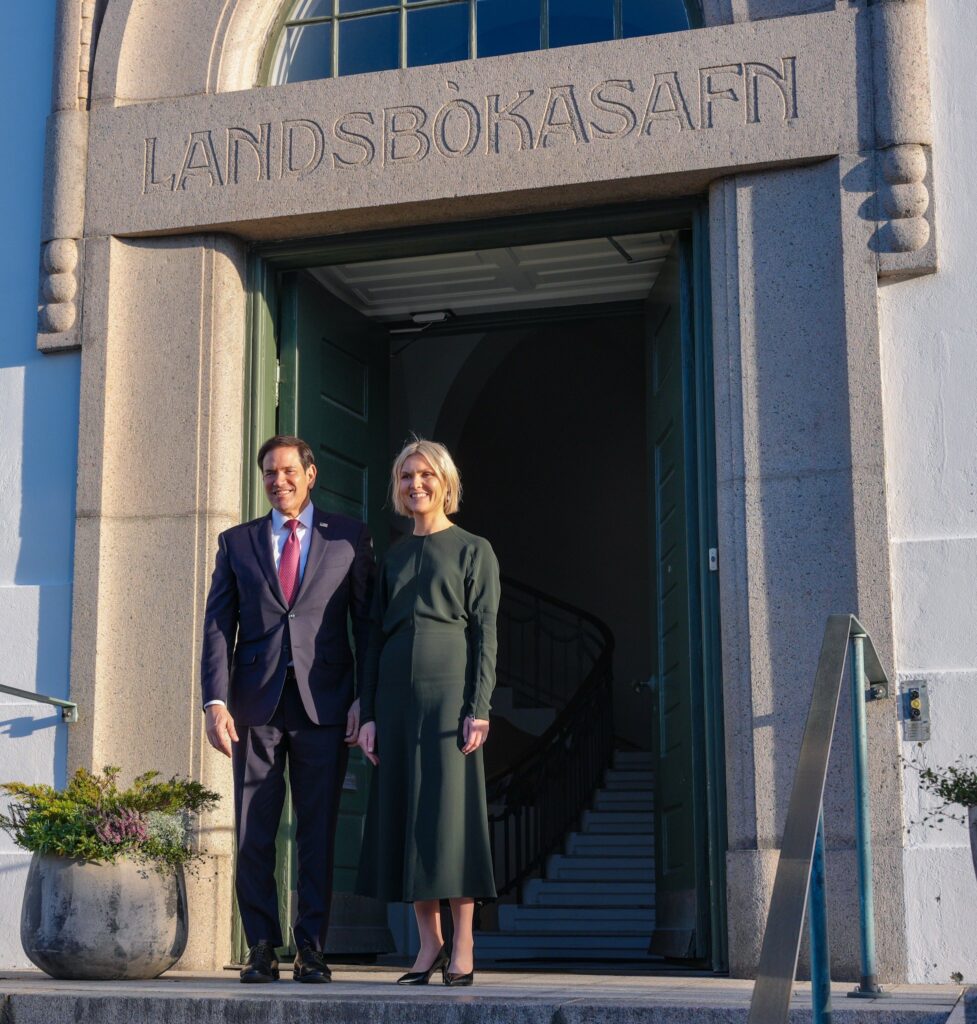
Rubio also pointed to Iceland’s role in scientific and space-related cooperation, noting that the country’s landscapes had served as training grounds for the Apollo programme and “continue to host training missions for the Artemis missions.”
On trade, Rubio said that the United States was unlikely to pursue comprehensive multilateral free-trade agreements in the near future, arguing that “the era of free trade agreements for the foreseeable future is probably not going to be there.” Instead, he advocated a reciprocal bilateral trade understanding between Washington and Reykjavik.
The two sides also discussed Russia’s war in Ukraine, the Middle East and China, reflecting the broader geopolitical issues shaping their bilateral relationship.
Rubio is scheduled to continue his tour in Greece before travelling to Portugal and returning to Washington on Thursday. The trip is intended to advance US cooperation with the three NATO allies on defense, economic and energy issues.
READ ALSO: French Rights Watchdog Raises Alarm Over Police Conduct Amid Student Protests