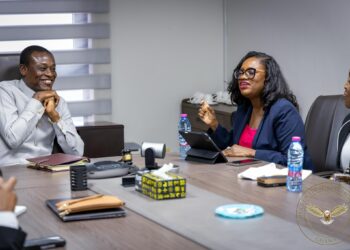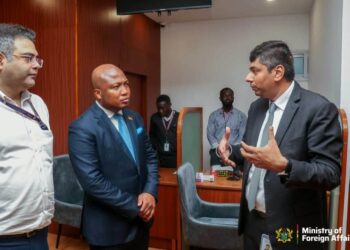
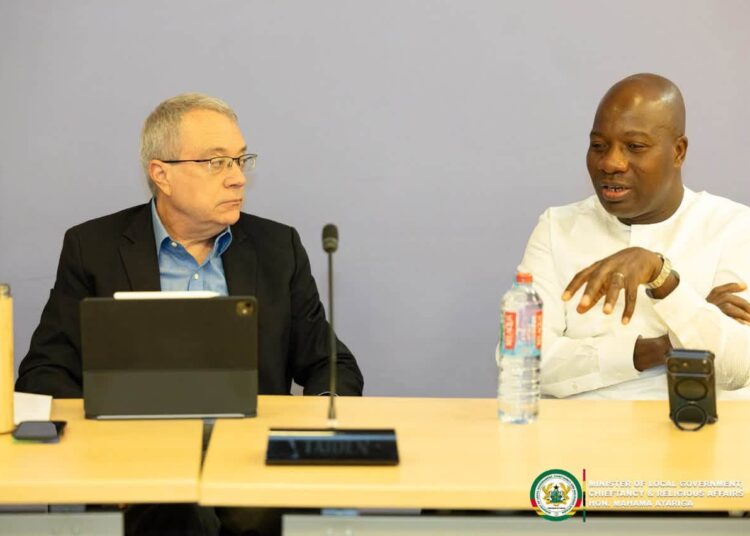
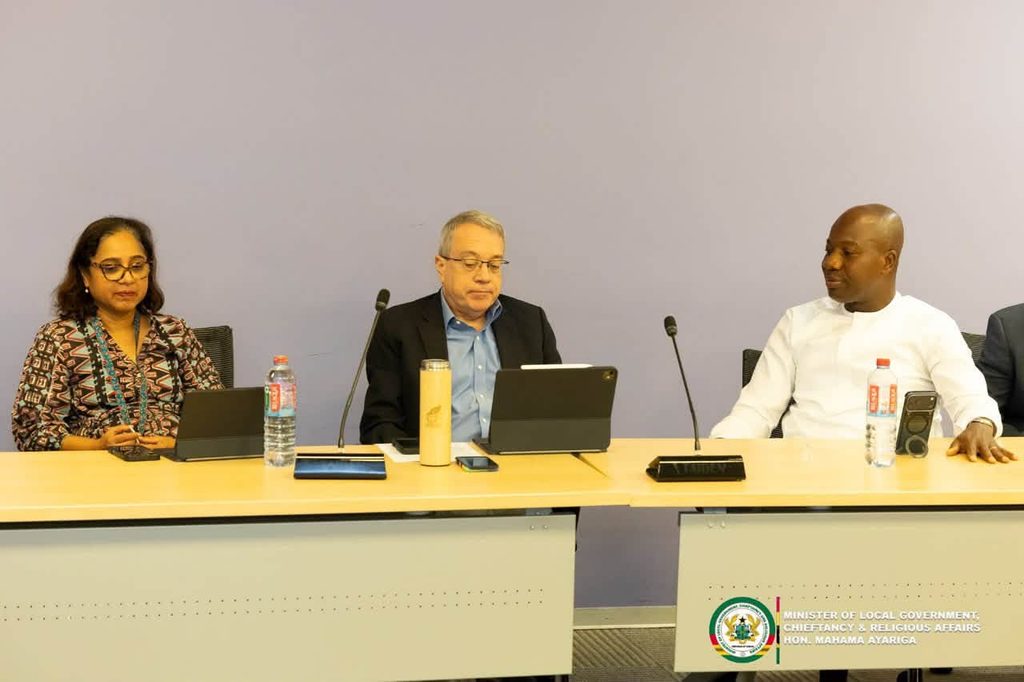
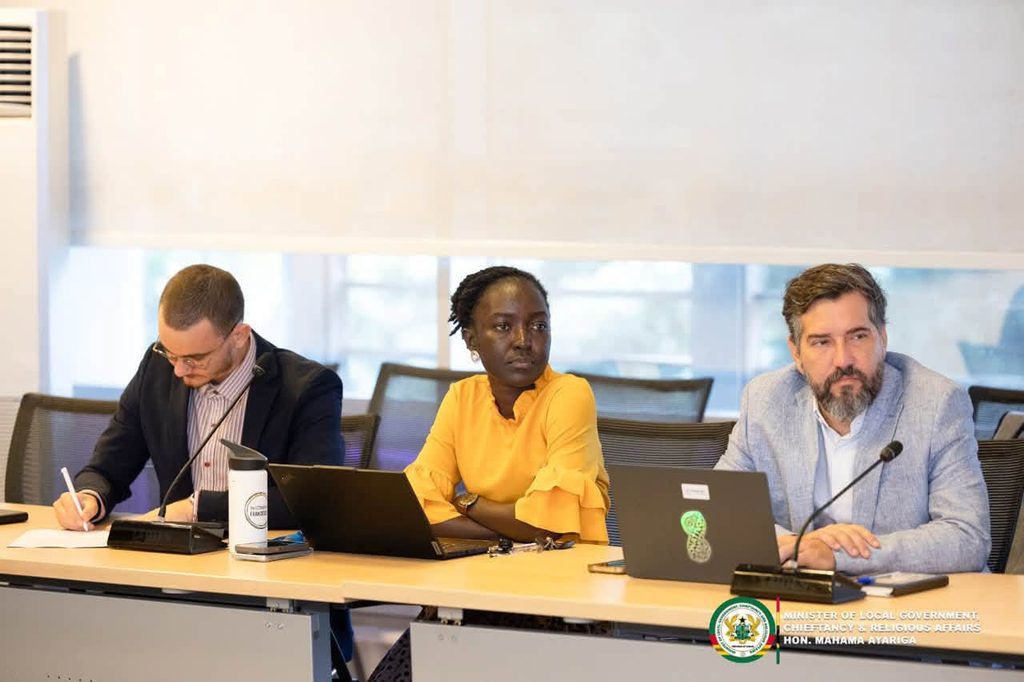
Local Government Minister Mahama Ayariga has held talks with the World Bank on building sustainable cities in Ghana. The discussions focused on planning, resilience and inclusion as the country’s urban centres continue to grow.
Hon Ayariga, who is also the Member of Parliament for Bawku Central, described the engagement as productive. He said the conversation explored practical ways to strengthen urban infrastructure and improve service delivery, and that partnerships with institutions such as the World Bank are central to turning ambitions into results.
Hon Ayariga opened his message with a statement about the stakes. “The cities we build today will shape the opportunities, quality of life, and future of generations to come,” he wrote.
The minister said the talks centred on how Ghana can build cities that are better planned, more resilient and more inclusive. He linked that goal to the pressures of rapid urbanisation, which he said cities must be equipped to meet.
Planning, in his telling, is the first test. Cities that grow without clear direction tend to struggle later with congestion, weak services and exposure to shocks, and the minister’s focus on planning suggests his ministry wants to get ahead of those problems.
Infrastructure and Service Delivery
Two practical areas stood out in the minister’s account of the discussions. The first was urban infrastructure, which covers the roads, drainage and public systems that determine whether a city functions for the people who live in it.
The second was service delivery, the everyday business of making sure residents can rely on the services their assemblies are meant to provide. Hon Ayariga did not say which projects, programmes or financing options were discussed.
His message instead set out the direction of travel and the areas where he wants the World Bank to deepen its involvement. That leaves open how any support would be structured, a question likely to matter to assemblies and residents watching for results.
The minister placed heavy emphasis on collaboration. He said strong partnerships with institutions such as the World Bank are critical to delivering tangible outcomes for communities.
The point reflects a reality familiar to many local authorities: ambitious urban plans often depend on technical expertise and funding that stretch beyond what an assembly can raise alone.
For Hon Ayariga, the aim is concrete benefits for communities rather than plans that stay on paper. He said he looks forward to continued engagement and collaboration towards building “cities that work better for everyone.”
Building on Recent Urban Plans
The World Bank talks come days after the minister set out his vision for the country’s urban centres at home. The Vaultz News reported that he had unveiled a plan for greener, better connected inner cities, a proposal that fits the themes he raised with the Bank.
Transport has also featured in his recent public comments. Last month, Hon Ayariga said the Ayalolo BRT contraflow will drastically cut journey times for commuters.
Taken together, the plan for inner cities, the push on bus transit and the engagement with the World Bank point to a ministry trying to link planning, mobility and partnerships under one urban agenda.
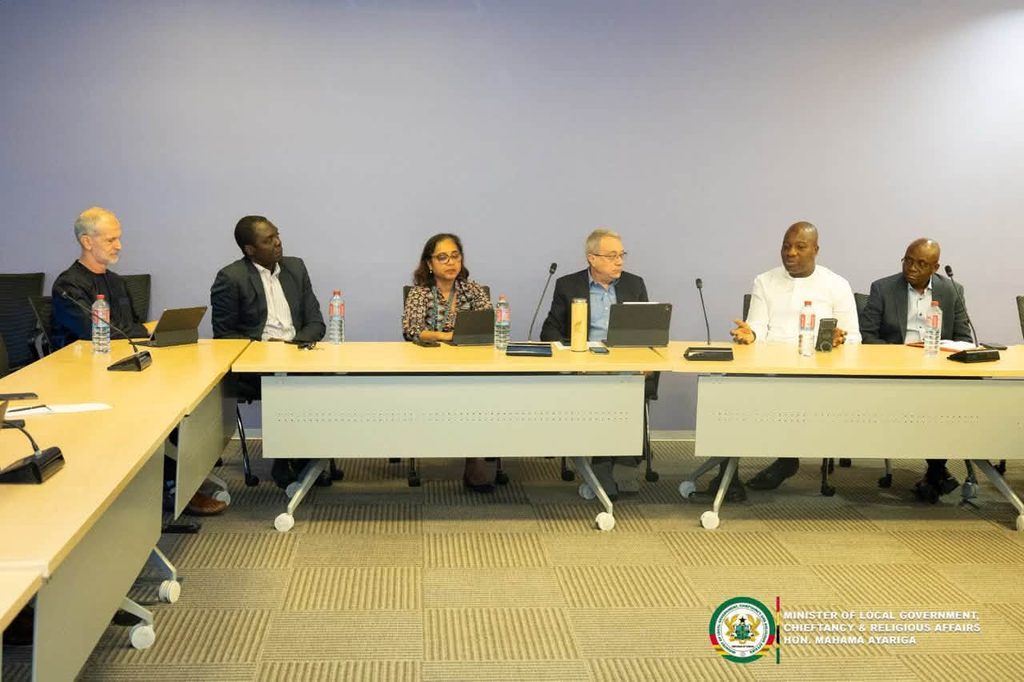
Hon Mahama Ayariga closed his message by pointing to continued engagement with the World Bank. No timeline, funding figure or follow-up meeting was mentioned in his account, so the next stage of the conversation remains to be seen.
What the minister has made clear is the standard he wants Ghana’s cities to meet. Residents in fast-growing urban areas will be watching to see whether the talks produce better infrastructure and more reliable services where they live.
The test of this partnership will be whether the plans discussed in meeting rooms reach the streets, drains, and public services that communities depend on every day.
READ ALSO: Medical Product Trafficking Threatens Health and Security in Central Africa – UNODC