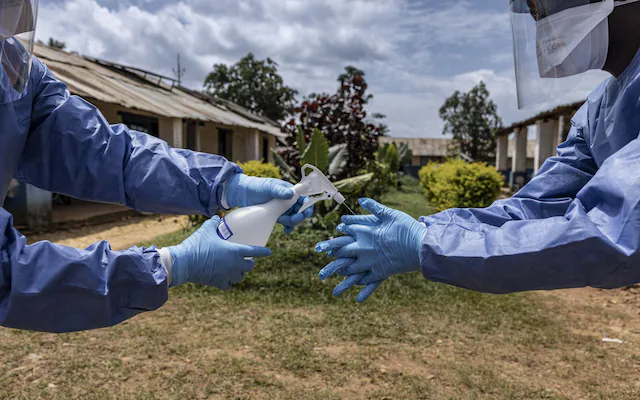
Kenya has intensified efforts to trace and quarantine people who came into contact with its first recorded Ebola case.
The case involves a Kenyan man who had been living in the Democratic Republic of the Congo (DRC) for several years before becoming unwell there, where an Ebola outbreak is still affecting portions of the country’s east.
His death has prompted an immediate public health reaction aimed at identifying everyone who may have been exposed to him during his travels, social activities, and hospitalisation.
Speaking in Nairobi, World Health Organization (WHO) Representative in Kenya Dr. Neema Rusibamayila Kimambo revealed that the days ahead would be critical to determining whether the virus can be contained before it spreads within the wider community.
“This is an outbreak of an imported case, one who came in and went straight to hospital, but the Government is working to identify all the relevant contacts as part of their response to this outbreak.”
Dr. Neema Rusibamayila Kimambo
The response has also drawn support from the United Nations and other health agencies, which had already been assisting Kenya with Ebola preparedness following the emergence of the outbreak in the DRC.
Dr Kimambo stressed that the objective is not only to identify people who may have been exposed but also to ensure that they remain under observation for the period in which symptoms could emerge.
“I think these next few days are critical because we know the incubation period will start from between two to eight days,” she added.
Contact Tracing Expands Across Kenya and Uganda
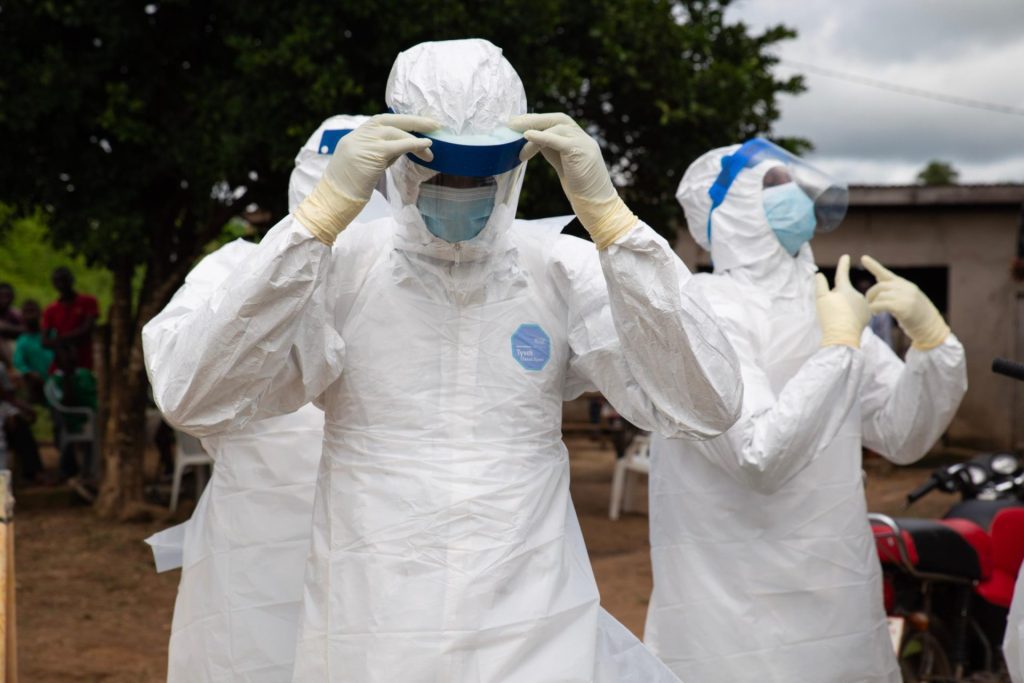
Also, Kenyan authorities have begun building a detailed list of people who interacted with the deceased, including relatives, healthcare workers and people who may have shared his journey through Uganda.
Around 10 of his relatives have already been identified as contacts, with Dr Kimambo describing them as cooperative. Some, she noted, volunteered themselves after recognising their possible exposure and have since been placed under quarantine.
The health sector has also become a major focus of the response because the man was admitted to hospital after arriving in Nairobi.
Twenty-one health workers who cared for him, alongside laboratory nurses and other personnel, have been contacted as part of the tracing exercise. Although the healthcare professionals used infection prevention and control measures while treating the patient, authorities are taking additional precautions by placing them under quarantine.
“The plan is to make sure that they are all under quarantine,” Dr Kimambo indicated, adding that decisions had already been made for staff at Nairobi Hospital to undergo quarantine.
Dr Kimambo stressed that locating every relevant contact would be essential to preventing transmission beyond the people already identified.
“Because to make sure that we contain this and we do not get community spread, it is critical that all contacts are identified and are quarantined.”
Dr. Neema Rusibamayila Kimambo
The WHO is supporting Kenya, Uganda and the DRC with contact tracing, surveillance and screening, while also assisting efforts to identify any additional cases that could emerge from the exposure chain.
The Africa Centres for Disease Control and Prevention (Africa CDC) is also working with WHO to support Kenya and mobilise other member states as the regional response develops.
WHO Urges Vigilance as Preparedness Efforts Intensify
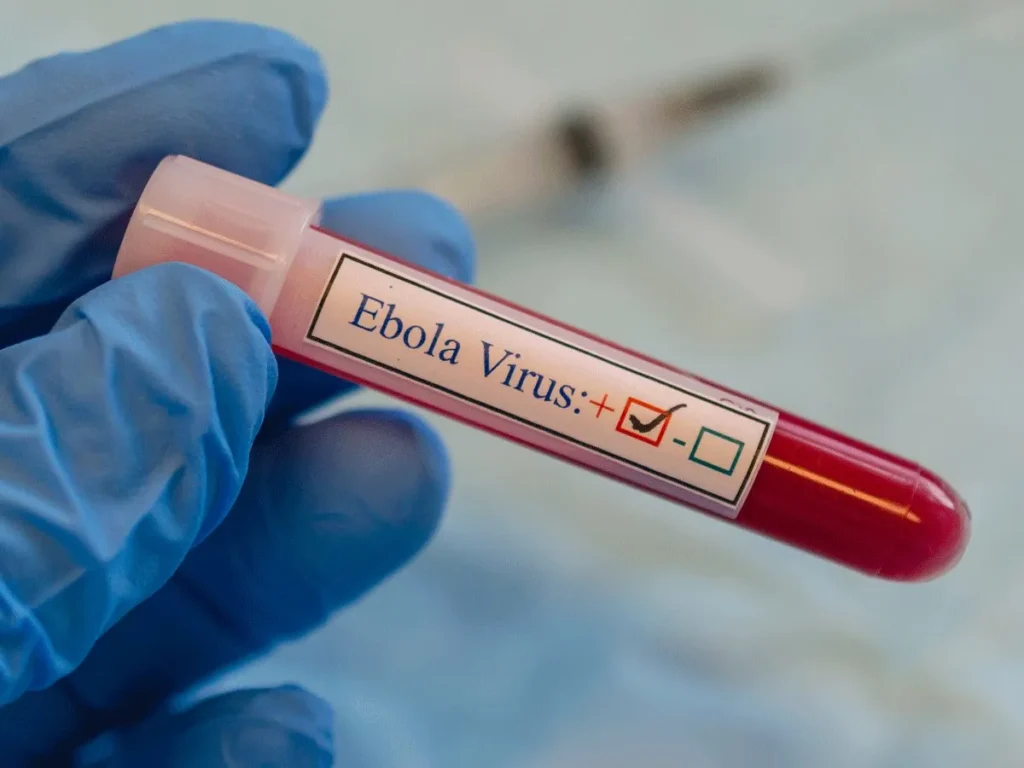
While contact tracing remains the immediate priority, health authorities are also focusing on public awareness and preventive measures to reduce the risk of further transmission.
Dr Kimambo urged members of the public to understand how Ebola spreads rather than respond to the confirmed case with panic.
She encouraged people to maintain high standards of hygiene, including regular handwashing and the use of hand sanitiser, while advising against unnecessary physical contact such as extensive hand-holding.
Early recognition of symptoms and prompt medical attention are also central to the response, particularly as authorities monitor people who have been exposed to the deceased.
Meanwhile, Kenya’s preparations did not begin with the death in Nairobi. WHO and other UN agencies had already been working with the country to strengthen preparedness after Ebola emerged in the DRC earlier in the year.
The International Organization for Migration had been monitoring population movements at border points, recognising the importance of tracking cross-border travel in the event of an outbreak. UNICEF had also been supporting community risk management, including work related to water, sanitation and hygiene.
WHO’s preparedness activities included strengthening disease surveillance, improving case management and conducting simulation exercises designed to test the country’s ability to respond to a potential Ebola case.
Those preparations have now moved into an active response following the confirmation of Kenya’s first case and death.
READ ALSO: BoG Sounds Alarm Over ‘Double-Your-Money’ Investment Scams