Ghana’s Health Minister, Kwabena Mintah Akandoh, has disclosed that about 450 suspected yellow fever cases were recorded across the country between June and September 2026, with the Upper West Region accounting for 74 of them and three subsequently laboratory confirmed.
Speaking during an interview, the Minister said government has stepped up disease surveillance and emergency response, particularly in northern Ghana. A National Rapid Response Team is now in the Upper West Region, and laboratories have been stocked with reagents to detect and confirm cases. He appealed to the public and the media to stay calm and cooperate with health authorities as the response continues.
According to the Minister, the national tally stood at roughly 450 suspected cases as of the day before his address, covering June to September 2026. Of that number, 74 came from the Upper West Region, and three have since been confirmed.
The distinction between “suspected” and “confirmed” is central to how the figures should be read. A suspected case is one flagged by clinical signs and reported through surveillance channels. A confirmed case has been verified by laboratory testing.
“Laboratories have been equipped with the necessary reagents to support the detection and confirmation of suspected cases.”
Hon. Kwabena Mintah Akandoh
The gap between the national suspected figure and the three confirmed Upper West cases indicates that most of the reports are still at the suspicion stage or have not been verified.

Surveillance Intensified in the North
The Minister also addressed how deaths linked to the disease are treated. He explained that health professionals can often form a clinical view on whether a death is attributable to a particular illness, but that such a view does not count as an official finding until laboratory confirmation is secured.
Hon. Akandoh stated that government has strengthened surveillance and response measures, with particular attention to northern Ghana, where the confirmed cases have emerged.
Central to the effort is laboratory readiness. The Minister said laboratories have been equipped with the necessary reagents to support the detection and confirmation of suspected cases. Delays in testing can slow containment, since confirmation often determines when a full public health response is triggered.
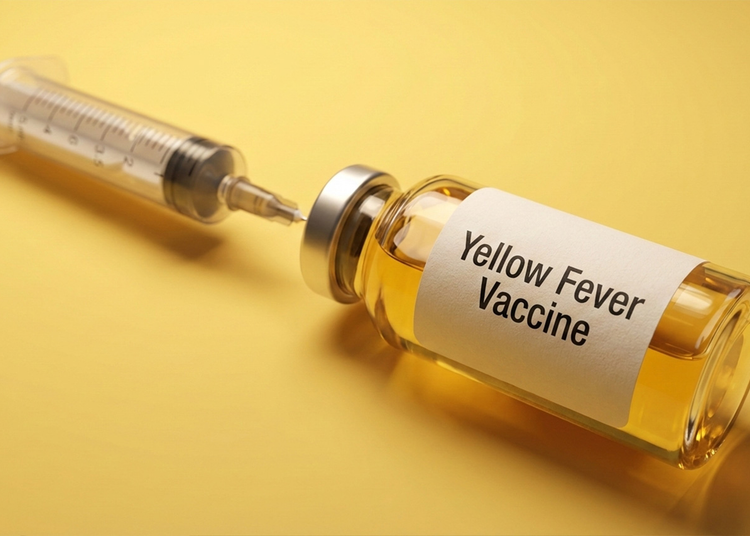
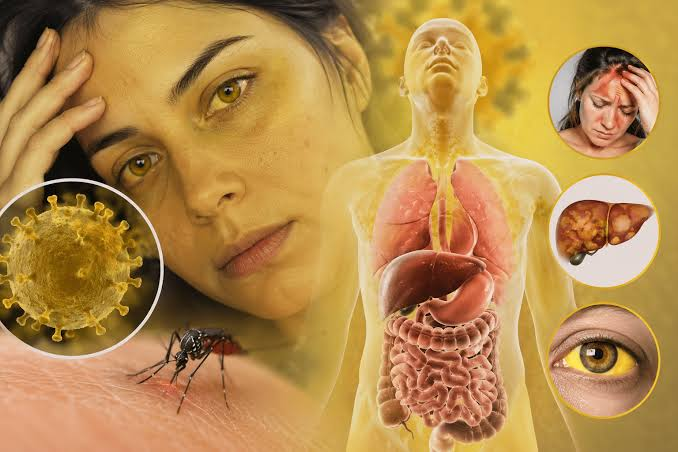
Yellow fever is a mosquito-borne viral disease. Vaccination remains the principal tool for protecting populations, while early detection allows health teams to respond quickly where infections appear.
Rapid Response Team in the Upper West
The Minister disclosed that a National Rapid Response Team has been deployed to the Upper West Region, where the confirmed cases were recorded. Such teams are typically tasked with investigating reported cases, tracing contacts and supporting local health workers.
He added that designated areas within district hospitals have been set aside to isolate and manage both suspected and confirmed cases. The arrangement is intended to ensure patients receive care while limiting the risk of wider spread within health facilities and the communities around them.
The Minister did not, in the remarks available, provide a breakdown of the remaining suspected cases outside the Upper West Region, nor a regional distribution beyond the 74 reported there. He also did not state how many deaths have been recorded.
Beyond the figures, Hon.. Akandoh devoted part of his address to public messaging. He urged citizens and the media to remain calm and to work with health authorities as government moves to contain the situation.
“We don’t have to press the panic buttons.”
Hon. Kwabena Mintah Akandoh
He asked the media in particular to handle the issue with care, noting that a considerable number of resources and measures have already been deployed in response.
What Residents Should Know
The appeal reflects a familiar challenge in public health communication. Reports of suspected disease can spread quickly, and unverified claims may fuel anxiety or discourage people from seeking care. By emphasising the difference between suspected and confirmed cases, the Minister sought to anchor the conversation in verified information.
With the response still unfolding, residents, especially in the Upper West Region and other parts of northern Ghana, are encouraged to follow guidance from the Ghana Health Service and local health directorates. Anyone presenting with symptoms consistent with the disease should report promptly to the nearest health facility rather than rely on rumour or self-medication.

Health authorities are expected to continue updating the public as laboratory results come in and as the response teams complete their work in the affected areas.
For now, government’s message is one of vigilance without alarm: surveillance is active, laboratories are ready, response teams are in place, and the public is being asked to trust verified information as the situation develops.
READ MORE: Government to Invest GH¢500 Million in Health Sector