
The Minority Leader in Parliament and Member of Parliament for Effutu, Alexander Afenyo-Markin, has called for comprehensive structural reforms at the Electricity Company of Ghana (ECG), arguing that tariff adjustments and government financial interventions cannot provide a lasting solution to the utility’s persistent financial and operational challenges.
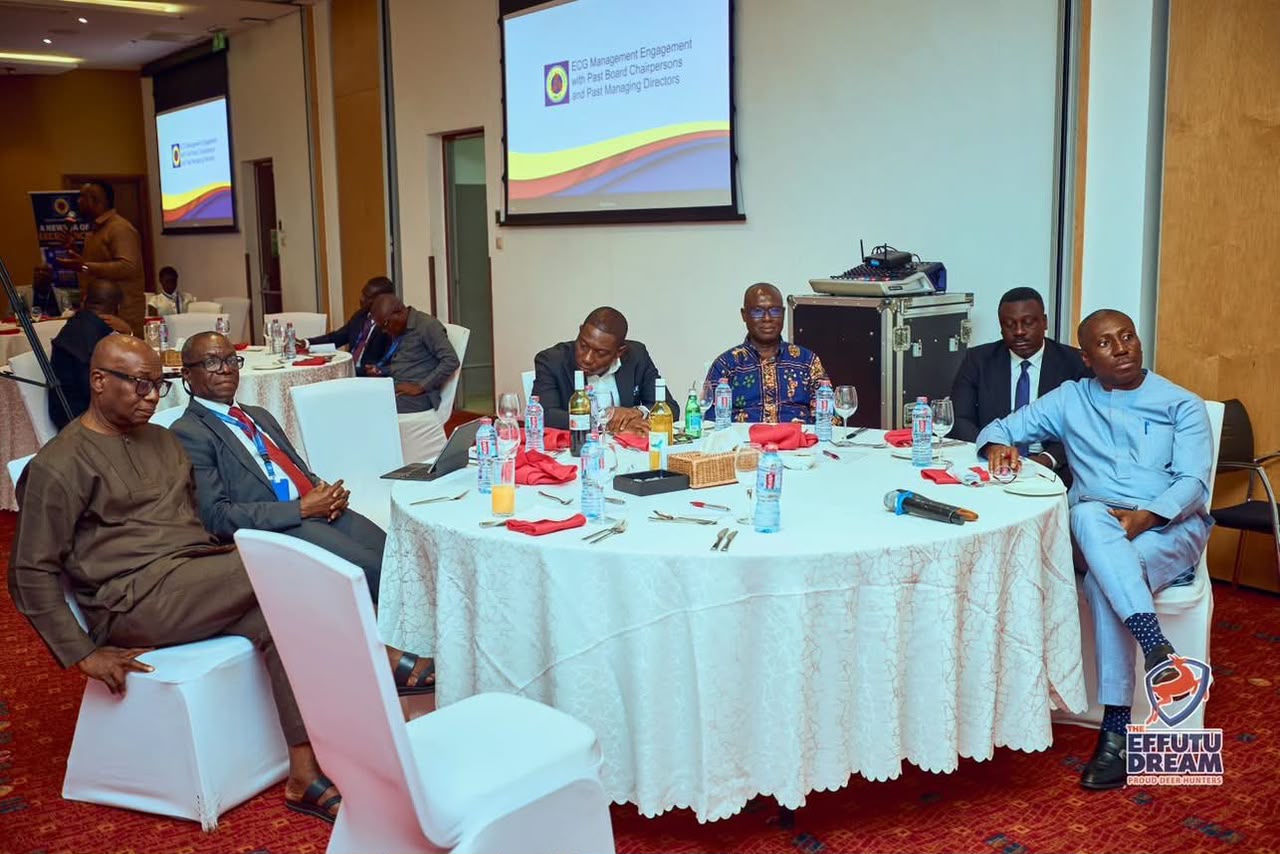
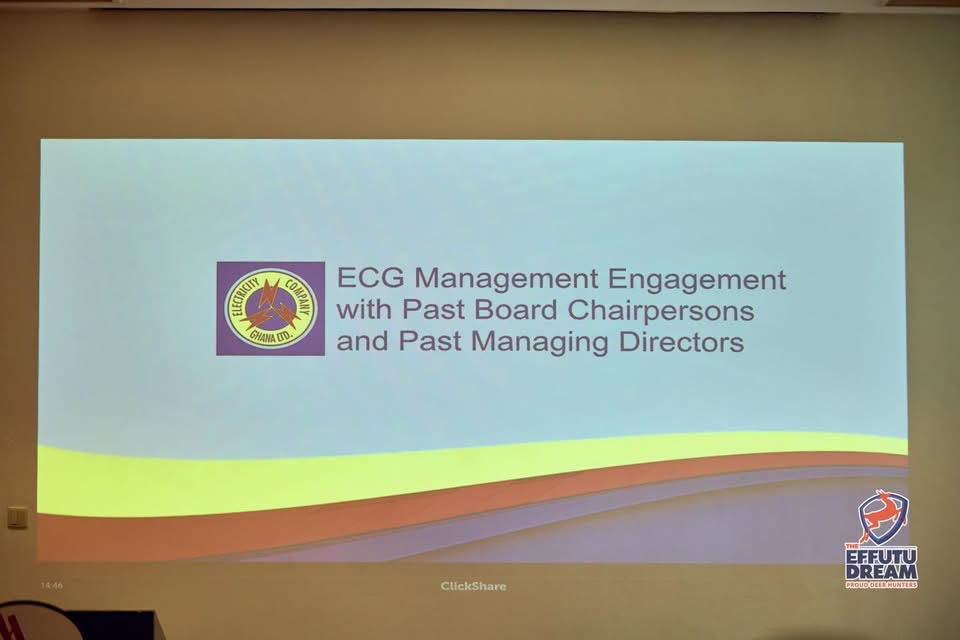
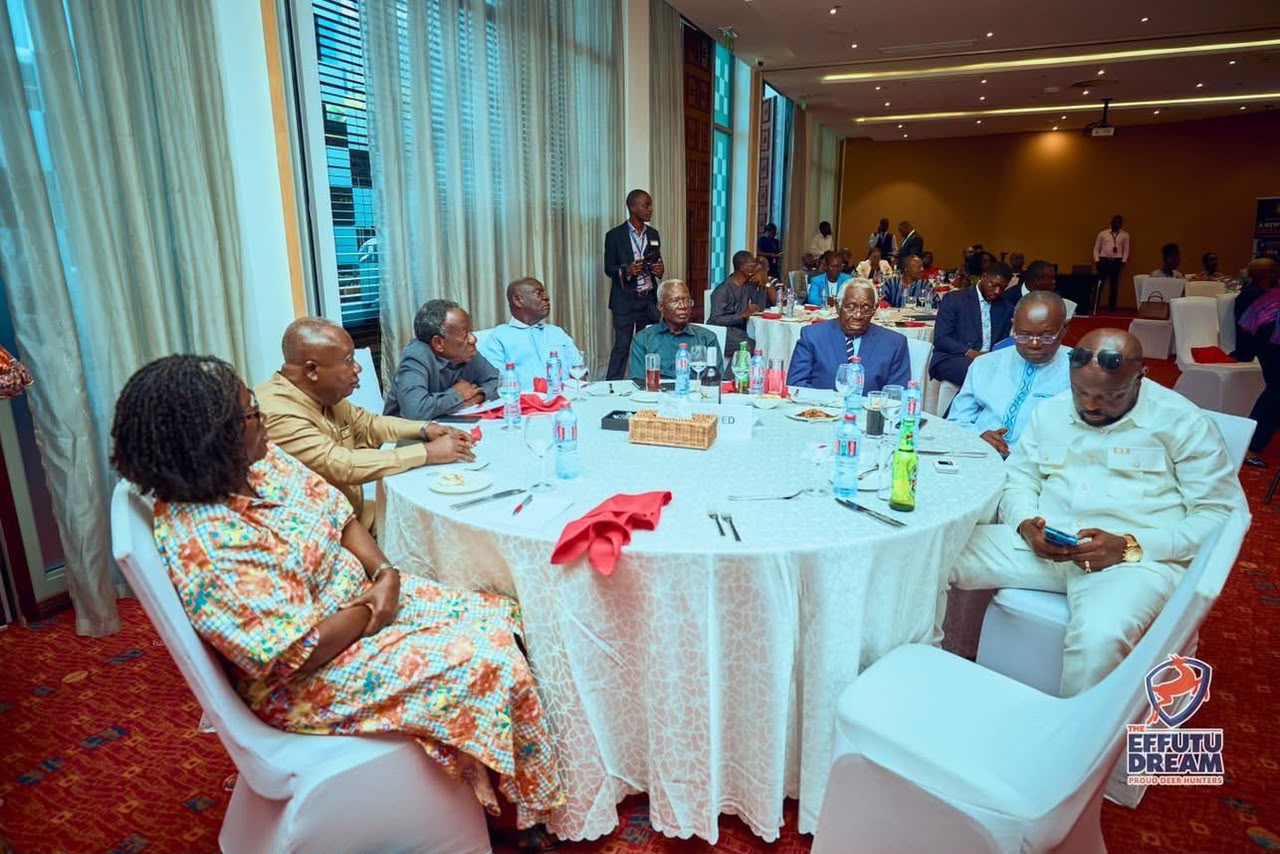
In a statement published on his social media platform following an engagement with former ECG managing directors and board chairpersons in Accra, Mr Afenyo-Markin said the company’s difficulties were rooted in systemic weaknesses that required sustained institutional reforms rather than temporary financial relief.
The former ECG Board Chairman argued that the utility’s long-term viability depended on improved revenue collection, reduced electricity losses, tighter procurement controls and stronger financial accountability.
“ECG’s difficulties are fundamentally structural and systemic. They cannot be sustainably resolved through partisan recriminations, periodic financial interventions or the repeated transfer of institutional inefficiencies to electricity consumers”
Tariff Increases Cannot Replace Operational Efficiency
Mr Afenyo-Markin’s intervention places the relationship between electricity pricing, utility performance and consumer protection at the centre of the debate over ECG’s financial sustainability.
According to his statement, successive electricity tariff adjustments between April 2025 and September 2026, including both increases and reductions, resulted in a cumulative increase of approximately 28.7 per cent, based on published average regulatory adjustments.

He cautioned that although tariffs play a legitimate role in a regulated electricity market, they should not become a substitute for sound financial management and operational efficiency.
For households, electricity costs affect disposable income, while businesses must account for power expenses in their production and operating costs.
Persistent inefficiencies within the distribution system can therefore have consequences beyond ECG’s financial statements, affecting household welfare, business competitiveness and the wider economy.
Mr Afenyo-Markin said consumers should not be expected to continually absorb the cost of weaknesses that the utility has yet to resolve.
“The Ghanaian consumer must not become the permanent financier of inefficiencies that the electricity sector has failed to confront.”
His position raises a fundamental policy question: how can ECG achieve financial sustainability without placing excessive pressure on electricity consumers?
The answer, according to his proposals, lies in improving the utility’s ability to account for electricity supplied, collect revenue, control expenditure and meet its financial obligations.
Financial Recovery Shows Progress But Losses Persist
The Minority Leader acknowledged improvements in ECG’s reported financial and operational performance, citing figures presented at the company’s annual general meeting in July 2026.
According to the figures contained in his statement, ECG’s revenue increased from approximately GH¢19.03 billion in 2024 to GH¢22.11 billion in 2025, representing growth of 16.2 per cent.
Its reported loss after tax also declined from approximately GH¢8.26 billion to GH¢2.52 billion over the same period, while new electricity connections increased by 31.3 per cent to 222,979.
However, he cautioned against interpreting the reduction in reported losses as conclusive evidence of a sustainable financial turnaround.
His analysis attributed a substantial part of the improvement to foreign exchange gains of approximately GH¢12.16 billion, following the appreciation of the Ghana cedi against foreign-currency-denominated obligations.
That distinction is important because accounting gains do not necessarily translate into stronger cash collections or improved efficiency in electricity distribution.
Mr Afenyo-Markin also cited electricity purchase costs of approximately GH¢34.8 billion in 2025, compared with revenue of GH¢22.11 billion, resulting in a reported gross loss of about GH¢12.7 billion.
System losses, meanwhile, declined only marginally from 27.05 per cent in 2024 to 26.88 per cent in 2025.
He argued that these figures exposed the gap between improvements in reported financial results and the underlying operational challenges still confronting the company.
“The true test of reform is not simply whether accounting losses decline, but whether ECG consistently reduces system losses, improves revenue collection, controls expenditure and generates sufficient cash to meet its obligations.”
Honourable Afenyo-Markin
The figures cited in the statement suggest that revenue growth alone will not resolve ECG’s financial pressures if the cost of electricity purchases and losses across the distribution system remain high.
Revenue Protection Emerges As A Critical Reform Priority
A central part of Mr Afenyo-Markin’s proposals is the need to address technical and commercial losses arising from faulty metering, inaccurate billing, illegal connections, unbilled consumption and weaknesses in revenue collection.
He identified the Loss Reduction Programme, introduced in 2023, as an important component of ECG’s recovery strategy.

However, he argued that stronger implementation and more effective monitoring would be necessary to deliver meaningful results.
The scale of the challenge is illustrated by his reference to ECG’s reported customer base of approximately 5.85 million at the end of 2025.
He used a hypothetical scenario in which 5 per cent of those accounts were affected by faulty meters to illustrate the potential exposure to inaccurate measurement or billing.
That scenario would represent approximately 293,000 customer accounts, although it does not establish that this proportion of ECG’s meters is actually defective.
To address such vulnerabilities, Mr Afenyo-Markin proposed a more integrated revenue-protection system combining smart metering, improved customer records, digital payments and data analysis.
He also called for stronger field enforcement, more effective action against electricity theft and greater cooperation with local assemblies, traditional authorities and communities.
The objective, he argued, should be to ensure that electricity distributed by ECG is accurately measured, properly billed and paid for.
This would require more than installing additional meters. ECG would also need reliable customer databases, effective reconciliation procedures, transparent payment systems and sufficient oversight to identify and address revenue leakages.
Digital Systems Could Strengthen Accountability
Mr Afenyo-Markin proposed a comprehensive technological framework to improve the monitoring of electricity consumption and the collection of revenue.
His recommendations included a unified customer database, remotely monitored meters, Geographic Information System mapping, automated payment reconciliation and data analytics capable of identifying unusual consumption patterns.

He also advocated real-time management dashboards to help the utility detect billing discrepancies and revenue losses earlier.
The proposed systems would allow ECG to connect information on electricity distribution with customer accounts, billing records and payment information, making it easier to identify inconsistencies and investigate potential losses.
However, technology alone would not guarantee better performance. Effective implementation would also require reliable data, cybersecurity safeguards, independent auditing and clear responsibility for correcting identified problems.
Mr Afenyo-Markin said the company needed to move beyond identifying losses after they had occurred and establish systems capable of preventing and detecting them earlier.
“ECG must move decisively from merely identifying revenue losses after they occur to building systems capable of preventing, detecting and addressing them before they become entrenched.”
Debt And Power Purchase Costs Require Wider Reform
The former board chairman also linked ECG’s financial difficulties to broader pressures across Ghana’s electricity value chain.
Weak revenue collection can undermine the company’s ability to settle obligations to power producers and other service providers, potentially affecting maintenance, investment and the financial stability of the sector.

His statement pointed to the need for stricter implementation of the Cash Waterfall Mechanism, which governs the collection and distribution of electricity-sector revenues.
He proposed that collections should be transparently reconciled and disbursed according to an established framework, supported by regular reporting and effective regulatory oversight.
He also called for a review of legacy power purchase agreements where commercially and legally feasible, particularly arrangements that may impose substantial capacity-payment obligations or limit flexibility in matching electricity purchases to demand.
Such reviews, however, would need to respect existing contractual rights and preserve the reliability of electricity supply.
A further proposal concerned unpaid electricity bills owed by ministries, departments, agencies and other public institutions. Mr Afenyo-Markin called for enforceable arrangements to settle verified obligations promptly, including appropriately authorised deductions or budgetary offsets.
His argument is that public institutions should demonstrate the same payment discipline expected of households and private businesses.
Procurement Controls Must Protect Public Resources
Beyond revenue collection and debt management, Mr Afenyo-Markin identified procurement as another area requiring stronger institutional safeguards.
Reflecting on his time as ECG Board Chairman, he raised concerns about arrangements in which shipping documents could trigger payment obligations without adequate verification that goods had been delivered and accepted in accordance with contractual terms.
He clarified that the concern was not the use of bills of lading themselves, but the financial exposure that could arise where delivery, quantity, specifications or condition had not been sufficiently verified.
He said efforts were made at board level to strengthen the relationship between contractual completion, payment obligations and confirmation that procured goods had been properly delivered.
“ECG should not assume avoidable financial exposure or discharge contractual payment obligations without adequate assurance that the goods procured have been properly delivered in accordance with the agreed terms.”
Honourable Afenyo-Markin
He also pointed to the importance of addressing excessive inventory levels and strengthening compliance with procurement regulations.
The proposed approach would require effective contract management, independent verification, sound inventory controls and clear oversight of payments.
Such safeguards are particularly important for a utility facing significant financial obligations, because weaknesses in procurement can undermine the benefits of improved revenue collection and cost control.
Reform Must Deliver Measurable Results
Mr Afenyo-Markin’s proposals present ECG’s recovery as a broader governance challenge rather than a problem that can be resolved through a single financial intervention.
His recommendations span revenue protection, digitalisation, procurement, electricity-sector payment arrangements and the management of contractual obligations.
The central issue is whether these measures can translate into sustained reductions in system losses, stronger cash flow and more predictable payments across the electricity value chain.
For consumers, the significance lies in whether improved institutional performance can reduce the pressure for tariff increases driven by unresolved inefficiencies.
For government, it concerns the financial risks associated with an electricity distributor that continues to face a substantial gap between electricity purchase costs and revenue.
Mr Afenyo-Markin maintained that ECG’s reported financial improvements should be acknowledged but not mistaken for the completion of its recovery.
He called for a shift towards a utility that collects revenue efficiently, controls expenditure, meets its obligations and delivers reliable electricity at a fair and sustainable cost.
Ultimately, the proposals place accountability at the centre of ECG’s future: financial support and tariff adjustments, he argued, must be accompanied by reforms that address the structural causes of the company’s difficulties.
The test will be whether those reforms produce measurable improvements in operational efficiency and financial sustainability without repeatedly transferring the cost of institutional weaknesses to Ghanaian consumers.