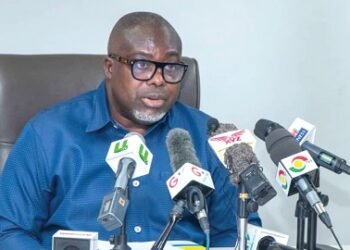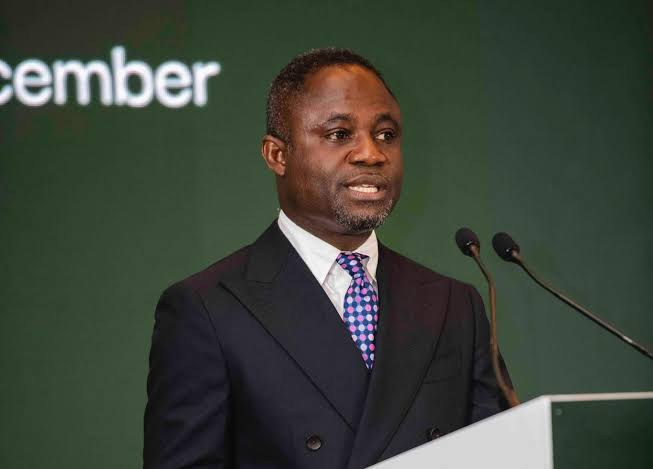
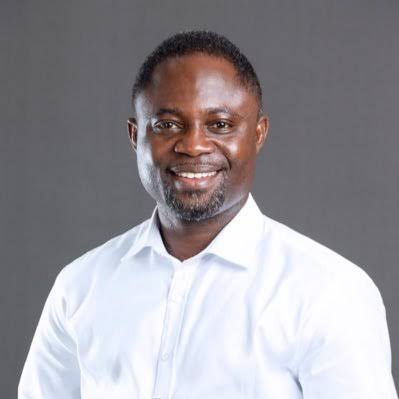
The Minister of Health, Kwabena Mintah Akandoh, says the Accra Reset is calling for country ownership of global health priorities, with countries setting their own agendas and development partners fitting their support around them.
Speaking on the Accra Reset and country ownership, the Minister said ownership brings responsibilities, chief among them a greater mobilisation of domestic resources. He cited Ghana’s uncapping of the National Health Insurance Levy, which raised the scheme’s funding from GH¢6.5 billion in 2024 to GH¢9.8 billion in 2025, and pressed for faster local production of vaccines and medicines across the continent.
Hon. Akandoh said the success of any health architecture is measured at the point of need. The test, he said, is whether a woman in northern Ghana who needs a particular service finds that it is available, accessible and affordable, and that using it does not push her into economic hardship.
On that basis, he argued, no one knows a country’s priorities better than the country itself.
“Country ownership does not mean isolation. What it means is that the countries must set their priorities and other partners must fit themselves into the priorities.”
Minister of Health, Kwabena Mintah Akandoh
He said this is the only way to sustain the gains already made and to build resilience in health systems.
Domestic Resources and Ghana’s Example
Country ownership, Hon. Akandoh said, comes with a duty to raise more money at home. He gave Ghana as a practical example of what that looks like.
President John Dramani Mahama, he said, is investing the National Health Insurance Levies collected in the country back into the health system. By uncapping the levy, government raised GH¢6.5 billion in 2024 and GH¢9.8 billion in 2025, an increase of almost 50 per cent.
The Minister said Ghana has used its own data to decide where to put the funds. He pointed to free primary healthcare, which Ghana has rolled out in about 50 per cent of the country.
He added that data show that about 40 to 45 per cent of deaths in Ghana are attributable to non-communicable diseases. That finding shapes national priorities, and partners such as the World Health Organization (WHO) and Gavi are expected to fit their support into those priority areas.
A Reset, not a Rejection
Hon. Akandoh stressed that the call for a reset is not a verdict that the existing global health architecture has failed. It has served countries, he said, but the world is evolving at a very high speed.
The architecture therefore has to respond to current changes and to future ones as well. Once countries have set their priority areas, other actors can fit themselves around them.
The Minister said regional bodies have an important role in that arrangement. He named the Africa Centres for Disease Control and Prevention (Africa CDC) and the African Medicines Agency (AMA) as examples.
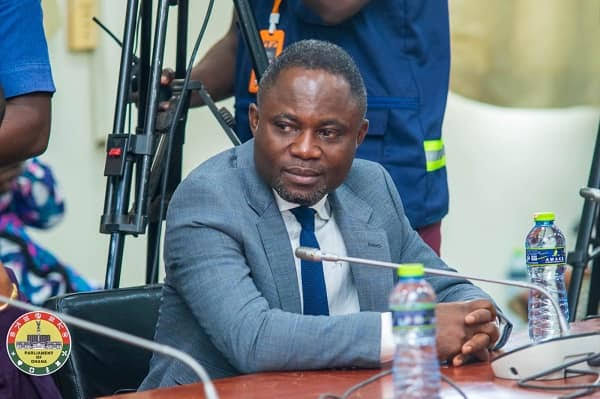
With coordination among these bodies, he said, countries can use pooled procurement to serve their people better.
Local Manufacturing and Health Security
On local manufacturing, Mr. Akandoh drew on his experience as the ranking member of Parliament’s Select Committee on Health during the COVID-19 pandemic. Ghana had the money to buy vaccines, he recalled, but the vaccines were not available, and the country had to wait at the back of the queue.
For that reason, he said, production of medicines must be accelerated locally. He noted that President Mahama wants Ghana to become a hub for pharmaceutical production.
The Minister said the issue goes beyond health. Knowing where pharmaceutical products are made is a matter of health security, and it extends to national security.
From Conversation to Action
Hon. Akandoh closed by noting that countries have called for a change in the architecture and for country ownership for years, and that the test is whether leaders turn the talk into action.
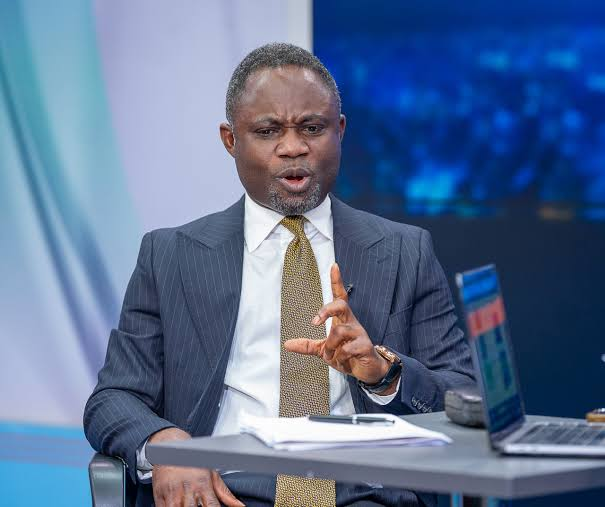
“It can only make sense to the ordinary person on the globe when leaders take practical actions to actualise all the conversations taking place on the international front.”
Minister of Health, Kwabena Mintah Akandoh
Attention now turns to how partners respond to the call for country ownership, and to whether the commitments voiced under the Accra Reset are matched by domestic financing, coordinated procurement and local production.
READ MORE: MoE Directs Immediate Suspension of Obuasi SHTS Headmaster Amid Allegations