Tamale based motorcycle and tricycle assembler MotorKing is preparing to introduce electric motorcycles to the Ghanaian market, with testing underway ahead of a potential commercial rollout.
The development signals a possible expansion of the company’s mobility business as Ghana explores cleaner transportation technologies and investment opportunities in locally based industrial enterprises.
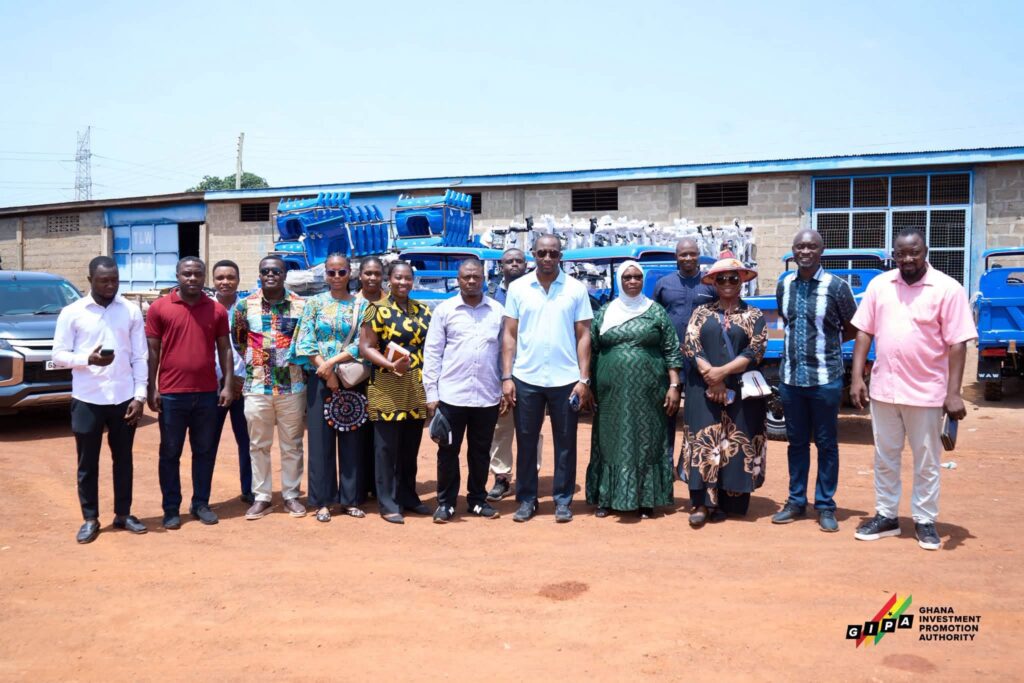
The planned introduction emerged during a visit to MotorKing’s facility by the Deputy Chief Executive Officer of the Ghana Investment Promotion Authority (GIPA), Mr Abdul Razak Baba, as part of engagements under the Northern Regional Investment Forum.
The visit forms part of efforts to identify businesses with expansion potential and connect them with investment opportunities through the authority’s Investment Opportunities Mapping Project (IOMP).
The MotorKing established in 2007, assembles and distributes motorcycles and tricycles, serving customers in Ghana and other West African markets. The company says its products support activities in agriculture, transportation and small businesses, reflecting the role of intermediate means of transport in commercial operations and rural economic activity.
Mr Baba described the company as an example of the enterprises the investment mapping initiative seeks to identify and promote.
“The kind of investment ready enterprise that the IOMP seeks to identify and showcase.”
Deputy CEO of GIPA, Mr. Abdul Razak Baba
The engagement highlights the potential intersection of domestic industrial development, investment mobilisation and the transition towards alternative vehicle technologies.
Electric Mobility Opens New Opportunities
MotorKing’s proposed entry into electric motorcycles comes as Ghana gradually develops its electric mobility ecosystem. Although the company has not announced a commercial launch date, the testing phase represents an initial step towards assessing the suitability of electric two-wheelers for the domestic market.
Electric motorcycles can offer operational advantages, particularly for commercial riders and businesses that depend on frequent, relatively short journeys. Compared with conventional petrol-powered motorcycles, electric models have fewer moving mechanical components and do not require petrol.
Their overall economic benefits, however, depend on purchase prices, battery durability, electricity costs, charging arrangements and access to maintenance services.
These considerations will be important in determining whether MotorKing’s proposed products can compete effectively with conventional motorcycles. Affordability is particularly significant in a market where motorcycles support commercial transportation, deliveries, agricultural activities and other income-generating operations.
Ghana’s electric mobility transition is also being shaped by government policy. In July 2025, the Ministry of Transport outlined the phased implementation of the National Electric Vehicle Policy, including measures relating to charging infrastructure, legal reforms and incentives to encourage adoption.
The policy direction provides a broader framework for businesses considering electric transportation technologies. However, the availability and precise application of incentives to individual vehicle categories must be established separately.
A successful electric motorcycle rollout will therefore depend not only on product development but also on supportive market conditions and appropriate infrastructure.
MotorKing’s Industrial and Regional Footprint
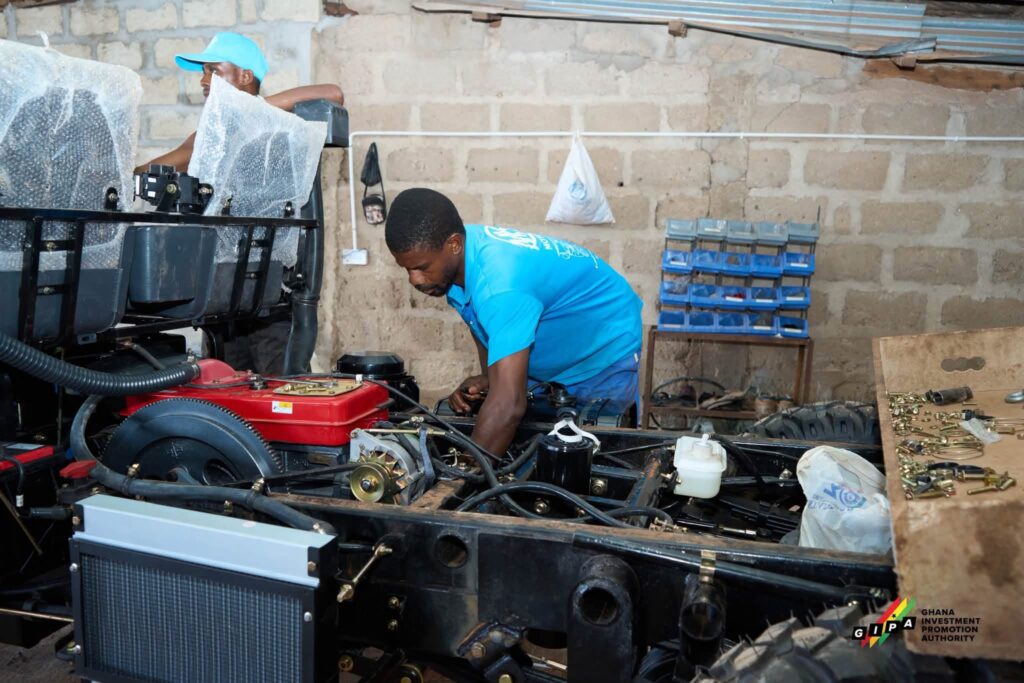
MotorKing’s existing operations provide a foundation for examining the potential expansion. According to its official website, the company has supplied motorcycles and tricycles in West Africa since 2007 and develops vehicles for different commercial and institutional applications.
Its product range includes petrol-powered and heavy-duty diesel tricycles, which can be adapted for uses such as transporting agricultural produce, delivering goods and supporting selected public services.
The company also identifies employment, skills development and opportunities for local workers as important aspects of its operations.
“We have been supplying MotorKing tricycles and motorbikes in West Africa since 2007.”
MotorKing
The company’s established presence in the transportation equipment market could provide useful experience as it evaluates a new vehicle category. Nevertheless, the scale of any electric motorcycle production, the extent of local component sourcing and the investment required for expansion have not yet been publicly established.
The company will also need to assess the practical requirements of electric motorcycle ownership. These include battery replacement or charging arrangements, the availability of spare parts, technician training, after-sales support and the capacity to maintain vehicles operating under demanding commercial conditions.
Such considerations are important because electric mobility is not solely a vehicle manufacturing proposition. It also involves the development of supporting services and supply chains that influence operating costs, reliability and customer confidence.
For MotorKing, the transition could create opportunities to expand its product portfolio, respond to changing customer preferences and strengthen its position in the regional transportation market if testing establishes commercial viability.
Investment Mapping and Regional Growth
The development also illustrates the purpose of GIPA’s Investment Opportunities Mapping Project, which seeks to identify and promote viable investment opportunities across Ghana’s districts and regions.
The initiative is intended to build a comprehensive database of investment prospects, improve access to credible project information and encourage investment beyond the country’s traditional commercial centres.
The project also seeks to help local authorities and other stakeholders present opportunities to domestic and international investors.
”The I.O. M project helps to facilitate new investment projects at the district level, which are expected to create several new jobs.”
Deputy CEO of GIPA, Mr. Abdul Razak Baba
The project places particular emphasis on connecting businesses with investors and identifying enterprises capable of supporting employment, production and economic diversification.
MotorKing’s operations in Tamale illustrate why this regional approach matters. Industrial activity outside Accra and Kumasi can create employment closer to local communities, support the development of technical skills and generate demand for suppliers, distributors and service providers.
For northern Ghana, investment in manufacturing and transportation equipment could complement economic activity in agriculture, trade and logistics. However, translating these opportunities into measurable gains requires access to capital, reliable infrastructure, skilled labour and markets capable of sustaining commercial production.
Mr Baba’s visit, therefore, provides an opportunity to highlight the investment potential of an established regional enterprise while drawing attention to a proposed product development initiative.
The next stage will depend on the outcome of MotorKing’s electric motorcycle testing and the company’s decisions on commercialisation. Further information on pricing, technical specifications, production capacity and launch timelines will be necessary for prospective buyers and investors to assess the opportunity.
For now, the initiative places MotorKing among the businesses exploring how established transportation operations could evolve alongside Ghana’s emerging electric mobility market.
Its eventual commercial impact will depend on whether the company can deliver affordable, reliable motorcycles and build the supporting services required for adoption.
If those conditions are met, the initiative could contribute to the diversification of Ghana’s mobility market while reinforcing the role of regional enterprises in the country’s broader industrial development agenda.
READ ALSO:MoE Appeals to TUTAG, GAUA to End Strike