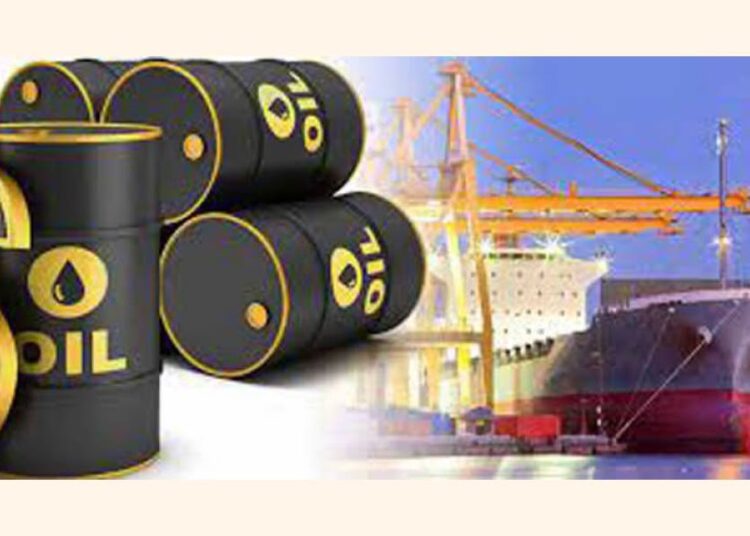
Global crude oil prices have climbed to their highest levels since May, raising fresh questions about how long Ghana can sustain recent reductions in petrol and diesel prices as geopolitical tensions threaten supplies and uncertainty persists over Russian petroleum exports.
Brent crude futures settled at US$109.86 per barrel on Friday, October 16, a 3.7% increase, while US West Texas Intermediate (WTI) rose 3.5% to US$101.41.
The rally came amid renewed concerns about disruptions to Middle Eastern oil supplies, attacks on Russian energy infrastructure and the potential consequences for global fuel markets.
For Ghana, the timing presents a challenge. The country’s second October fuel-pricing window, which began on October 16, brought lower minimum prices for petrol and diesel, even as liquefied petroleum gas (LPG) became more expensive.
The latest international rally could complicate the outlook for the next pricing window if elevated crude and refined-product costs persist.
Global Supply Fears Return to the Oil Market
The latest increase reflects more than routine market volatility. Investors are responding to the possibility that escalating tensions in the Middle East could disrupt production, exports or shipping routes, while attacks on Russian refineries have added uncertainty to the availability of petroleum products.

The Strait of Hormuz remains particularly important to global energy security because a significant share of internationally traded oil passes through the waterway.
Any sustained disruption could tighten supplies and increase freight and insurance costs, potentially lifting prices even where physical shortages have not yet materialised.
Market research firm Energy Aspects described the latest reversal in prices as being driven by renewed security concerns.
“WTI and Brent reversed earlier losses as escalation fears resurfaced amid rumours of attacks on Saudi energy infrastructure.”
The significance for oil-importing countries is that markets can price in the risk of future disruption before a prolonged shortage actually occurs. Even if supplies continue to flow, uncertainty can raise the cost of securing crude and refined products.
Efforts to release strategic reserves may help cushion temporary supply disruptions, but such measures cannot indefinitely offset a sustained loss of production or export capacity.
Ghana’s Pump Prices Move in Different Directions
Ghana’s latest pricing window offers a mixed picture for consumers.
The National Petroleum Authority’s minimum price for petrol fell from GH¢16.45 to GH¢16.09 per litre, while diesel declined from GH¢17.97 to GH¢17.09. LPG moved in the opposite direction, with its minimum price rising from GH¢11.10 to GH¢13.87 per kilogramme.
The changes mean that motorists and some businesses using petrol and diesel have received potential relief, while households and commercial users relying on LPG face higher costs.
Actual pump prices can vary between marketing companies because the NPA’s minimum prices are not necessarily the prices charged at every station.
The LPG increase is particularly important because cooking fuel costs affect household budgets and food businesses. Higher costs can feed into restaurant prices and other operating expenses even when road-fuel prices are declining.
The latest adjustments also illustrate why crude oil prices alone do not determine the price consumers pay at the pump.
Ghana’s petroleum pricing system incorporates international refined-product prices, supplier premiums, taxes, levies and distribution and marketing margins.
Under the NPA’s pricing guidelines, the second pricing window of each month uses average free-on-board prices recorded between the 27th of the preceding month and the 11th of the current month.
Consequently, the fuel prices introduced on October 16 largely reflect market conditions during an earlier period, rather than the full impact of Friday’s crude rally.
That timing difference is crucial: the latest reduction at the pump does not necessarily signal that international fuel costs are falling.
The Cedi and Refined-Product Costs Remain Critical
For Ghana, the next direction of pump prices will depend on whether the global increase persists, how refined petrol and diesel prices respond, and movements in the cedi against the US dollar.
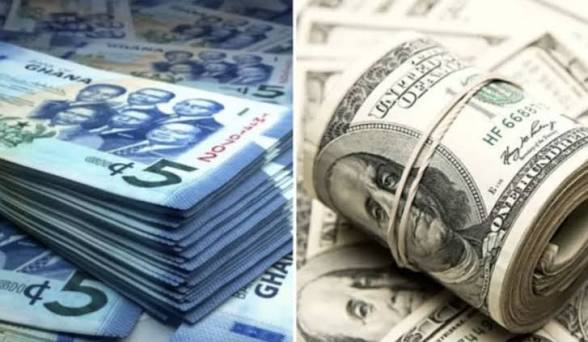
Because petroleum imports are priced internationally, cedi depreciation increases the local-currency cost of acquiring the same volume of fuel.
A stronger dollar can therefore intensify pressure on domestic prices, even if crude oil prices remain relatively stable.
Refined-product markets also do not always move in line with crude. Refinery disruptions, seasonal demand, shipping costs and the availability of diesel and petrol can cause product prices to rise or fall at different rates.
That helps explain why Ghana’s latest fuel adjustments have not moved uniformly across petrol, diesel and LPG.
If crude prices remain near current levels and refined-product costs rise, oil marketing companies could face higher replacement costs in the next pricing window.
Whether those pressures translate into higher pump prices will depend on the full pricing components and market conditions at the time.
What Higher Oil Prices Mean for Ghana’s Economy
A sustained rise in petroleum prices could affect transport operators, manufacturers, distributors and households through higher operating and living costs.
Businesses may absorb some of the increase, but others could pass additional expenses on to consumers, adding pressure to prices across the economy.
Government finances could also face competing pressures. Higher international oil prices may improve the value of petroleum exports, depending on production volumes and the terms of sale.
However, those potential gains do not automatically offset the cost of imported refined products or the broader economic consequences of more expensive transport and energy.
Ghana’s exposure therefore cannot be judged from crude prices alone. Domestic production, export receipts, import requirements, exchange-rate movements and the structure of petroleum pricing all influence the final impact.
The immediate question is whether the latest international rally proves temporary or develops into a sustained period of higher energy costs.
A short-lived spike may have limited influence on local prices, particularly where the pricing window has already begun. A prolonged increase, however, could erode the recent relief for petrol and diesel consumers.
For Ghana, the latest market movement is a reminder that lower pump prices in one pricing window do not guarantee continued relief.
With Brent crude approaching US$110 per barrel, the next pricing review will be an important test of whether recent reductions can hold against renewed pressure from international energy markets.
READ ALSO: Banks Praise Cocoa Capital Deal but Warn Against Borrowing Risks