The Legal Aid Commission is moving to make its officers easier to recognise and its services easier to reach, at a time when access to a lawyer remains uneven across the country.
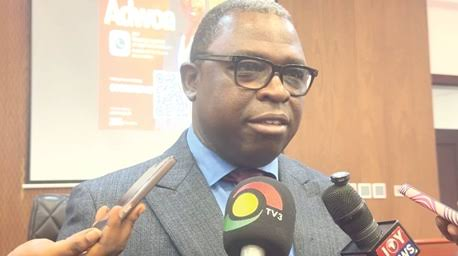
The Executive Director, Mr Edmund Amarkwei Foley, outlined the plans in an interview. He covered identification of staff, the growing role of paralegals, the Commission’s working relationship with the courts, and the reach of its services outside the main centres.
The measures respond to a practical problem for any legal aid provider: people seeking free representation must be able to tell genuine officers from impostors, and must be able to find them.
Mr Foley said the Commission’s staff are lawyers by training. In due course, officers attending police stations will wear reflective jackets that identify them. The Commission is also preparing identity cards and tags for all personnel.
He said, anyone visiting a Commission office should have no difficulty distinguishing a legal aid lawyer, an alternative dispute resolution officer or an administrative officer.
He linked the measures to a wider concern. People posing as lawyers have been seen representing litigants in court, and the Commission wants the public to know how to verify its work. Every document it files carries the legal aid stamp.
“We are strengthening our identification systems and expanding the use of paralegals to make our services more accessible and ensure the public can easily identify genuine Legal Aid Commission officers.”
Mr Edmund Amarkwei Foley, Executive Director Legal Aid Commission
The stamp offers courts and clients a simple test, but its value depends on awareness. The public will need to know what to look for, which makes the planned cards and tags an important complement.
Paralegals Extend the Frontline
Mr Foley said the Commission also relies on paralegals. It is the only statutory agency required by law to use them. He compared their role to that of paramedics, who provide immediate frontline care before a specialist takes over.
Paralegals offer a way to extend limited lawyer capacity, since they can handle first contact and routine support while lawyers concentrate on representation. The model matters most where lawyers are scarce.
On the Commission’s standing with the judiciary, Mr Foley said the relationship is good. He added that clients are not given special treatment across the board, though there have been instances of favourable handling.
He described the arrangement in criminal matters. Where an accused person appears without a lawyer, a judge may appoint one. It has become customary for judges to ask whether a legal aid lawyer is in court and to assign the case to that lawyer. As a result, such an accused person is represented rather than tried alone.
Safety Concerns for Staff
Mr Foley said the Commission is a human institution and meets difficult people. He said he sometimes worries about the safety of staff.
Mediation sessions can bring together two very angry parties. Although mediators are trained to defuse tension, fights have broken out at Commission offices. The Commission has often asked security agencies for help. In some cases, he said, the police have taken over and charged people with damage to property or physical assault.
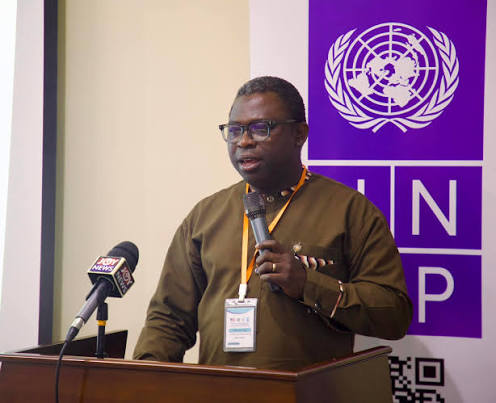
Mr Foley stated that people who need an emergency lawyer can approach the Commission, and that it receives many calls. That demand prompted the creation of its call centre.
Once a person calls, the Commission assesses whether they qualify for legal aid. Those who do not qualify are still not turned away empty-handed. Given its size, reach and relationship with the bar association, the Commission can refer them to a lawyer who can assist.
Thin Coverage Outside Major Centres
Mr Foley was candid about the limits of reach. People can contact the Commission if they know where it is, but its lawyers are spread thin and it is not present in every part of the country.
Western North and Upper West each have one lawyer. In the Upper East, Northern and Savannah regions, two lawyers handle the workload across all three. The Commission has not yet established a presence in some of these areas.
To manage the shortfall, it asks clients to come to the office on set days. Cases are grouped so that a visiting lawyer can see every client scheduled for the week in a single day. The trade-off, Mr Foley acknowledged, is that a client who arrives may not see a lawyer that day.
Visibility Is Not the Same as Access
The Commission’s plans address recognition, referral and first contact. Staffing remains the harder problem. Identity cards and a call centre can make the Commission easier to trust and reach, but they cannot replace lawyers in regions where one or two officers cover large territories.
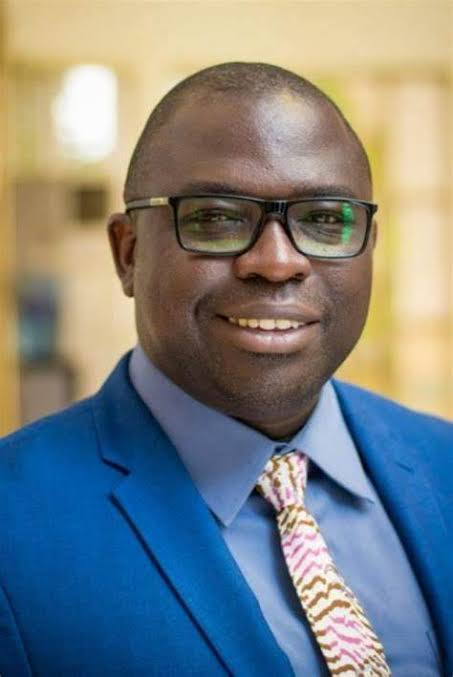
“Every document filed by the Commission carries our official stamp, while new identification measures will help the public recognise our officers and access legal aid services with greater confidence.”
Mr Edmund Amarkwei Foley, Executive Director Legal Aid Commission
The next measure of progress will be whether the Commission can extend its presence to underserved regions and so shorten the wait for the people who rely on it most.
READ MORE: Labour Ministry Urges Stronger Pension Management for Healthcare Workers